Bird flu: Here’s everything you need to know about the deadliest avian influenza outbreak in history
According to scientists, avian influenza offers a modest risk to people.
By ET Spotlight Special |

Agencies
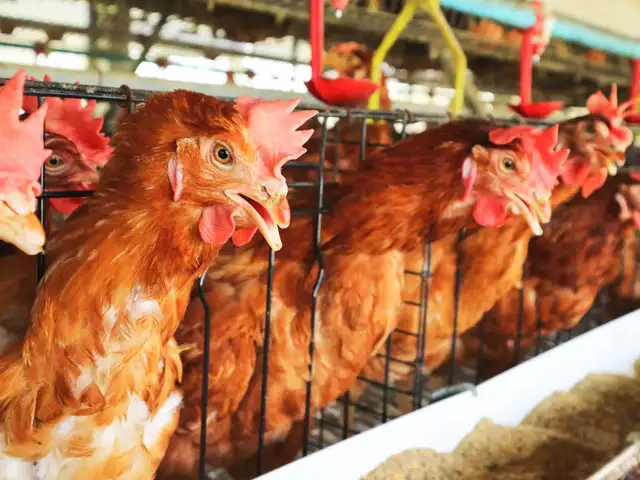
According to the Centres for Disease Control and Prevention, more than 52.4 million birds in the United States had perished from avian influenza as of Monday. This makes the outbreak the worst in history, exceeding the 2015 outbreak, which claimed the lives of 50.5 million birds. While the 2015 epidemic was mostly limited to poultry farms, the current outbreak has expanded to almost every state.
What exactly is avian flu?
Avian influenza is a bird illness caused by infection with avian influenza Type A viruses. According to the CDC, domestic fowl, including chickens and turkeys, can become sick and transmit the disease, as can other bird and animal species. According to an epidemiologist, several strains of influenza infect people and animals. They've been watching it for two decades, and it's becoming a severe issue for animals and domestic cattle.Can humans become infected with bird flu?
Avian flu viruses seldom infect humans, but there have been isolated examples. Since the virus spreads through mucus, saliva, and faeces, most infections develop when someone touches or inhales these fluids.China has confirmed the first known human case of the H3N8 strain of avian flu. A four-year-old boy in Henan province tested positive for the strain after being hospitalised earlier this month with a fever and other symptoms.




What is causing the outbreak?
The outbreak is thought to have started with wild birds. In January, the United States Department of Agriculture announced that a highly pathogenic strain of avian influenza was discovered in wild birds for the first time since 2016, primarily in North and South Carolina.FAQs:
- Is avian influenza transmissible to humans?
Exposure to diseased birds' saliva, mucus, or dung can result in direct infection. Human infections from bird flu are uncommon; however, human diseases can occur if enough virus enters a person's nose, eyes, or mouth or is inhaled. - How long will Bird Flu last?
The incubation period for H5N1 bird flu is two to five days on average, but it can last up to 17 days.
Download
The Economic Times Business News App for the Latest News in Business, Sensex, Stock Market Updates & More.
The Economic Times Business News App for the Latest News in Business, Sensex, Stock Market Updates & More.
Download
The Economic Times News App for Quarterly Results, Latest News in ITR, Business, Share Market, Live Sensex News & More.
The Economic Times News App for Quarterly Results, Latest News in ITR, Business, Share Market, Live Sensex News & More.
Related Articles
 Delhi world's second-richest capital for avian diversity, hosts 471 bird species2026-06-06T14:30:21Z
- Bird flu scare in Tamil Nadu as over 1,000 crows found dead in Chennai, nearby areas: Check avian flu signs, symptoms and how you can stay safe2026-02-06T04:51:26Z
- Bird flu death in U.S: Washington resident dies after contracting a rare strain of H5N5 avian influenza virus only reported in animals previously2025-11-22T19:44:33Z
ADVERTISEMENT


