Asteroid’s impact may have led to mysterious 'Mega Tsunami’ on Mars, says report
According to a recent report, an asteroid’s impact on Mars may have been the cause of the mysterious "Mega Tsunami."
By ET Spotlight Special |

Agencies
Similar to about 66 million years ago when dinosaurs got wiped out from the Earth, scientists speculate that the same thing might have happened on Mars about 3.4 billion years ago.
Researchers recently described the evidence for an early Mars-asteroid collision in a report published in the Journal Scientific Reports.
In the report, scientists used geographic data gathered from previous studies and orbiting spacecraft to pinpoint the asteroid's potential impact site and the potential damage it caused.
The crater Pohlm, in the Chryse Planitia region of Mars, was the focus of the study as it hasan aerial view and distinctive outflow patterns that led researchers to speculate that the region once held an ocean.
As a result, NASA sent the Viking 1 lander to Mars in 1976. The Viking orbiter's aerial photographs revealed several oddities, including unexpectedly disrupted and boulder-strewn terrain.
Due to this, experts previously hypothesized that the area had gone through two "mega-tsunamis," or times of exceptionally violent upheaval.
Although a site for the more recent megatsunami was envisioned earlier, the reason for the tsunami that occurred 3.4 billion years ago is still a mystery. Researchers calculated that the Pohl crater and the roaring tsunamis might have been caused by an asteroid 1.8 and 5.6 miles wide.
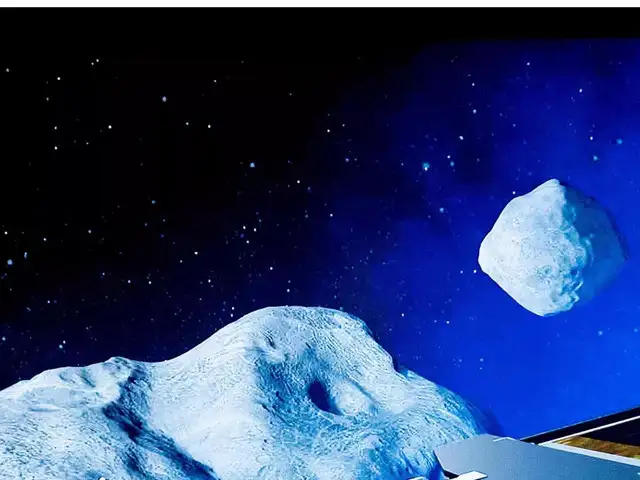
This asteroid would have struck the surface of Mars via relatively shallow waters (probably at a depth of 400 feet).
Such a collision would be strikingly similar to the Chicxulub impact that struck Earth 66 million years ago. The asteroid in question was estimated to have a width of about 6 kilometers.
The simulation indicates that the impactor would have hit Mars and released energy equivalent to nearly 13 million megatons of TNT, much more than the Tsar Bomba, the deadliest nuclear weapon, which produced about 56 megatons of energy.
This massive collision would have generated a giant tsunami that over 800 feet high, which would have drastically changed some of the old Chryse Planitia Ocean shoreline.
Researchers recently described the evidence for an early Mars-asteroid collision in a report published in the Journal Scientific Reports.
In the report, scientists used geographic data gathered from previous studies and orbiting spacecraft to pinpoint the asteroid's potential impact site and the potential damage it caused.
The crater Pohlm, in the Chryse Planitia region of Mars, was the focus of the study as it hasan aerial view and distinctive outflow patterns that led researchers to speculate that the region once held an ocean.
As a result, NASA sent the Viking 1 lander to Mars in 1976. The Viking orbiter's aerial photographs revealed several oddities, including unexpectedly disrupted and boulder-strewn terrain.
Due to this, experts previously hypothesized that the area had gone through two "mega-tsunamis," or times of exceptionally violent upheaval.
ADVERTISEMENT
Although a site for the more recent megatsunami was envisioned earlier, the reason for the tsunami that occurred 3.4 billion years ago is still a mystery. Researchers calculated that the Pohl crater and the roaring tsunamis might have been caused by an asteroid 1.8 and 5.6 miles wide.

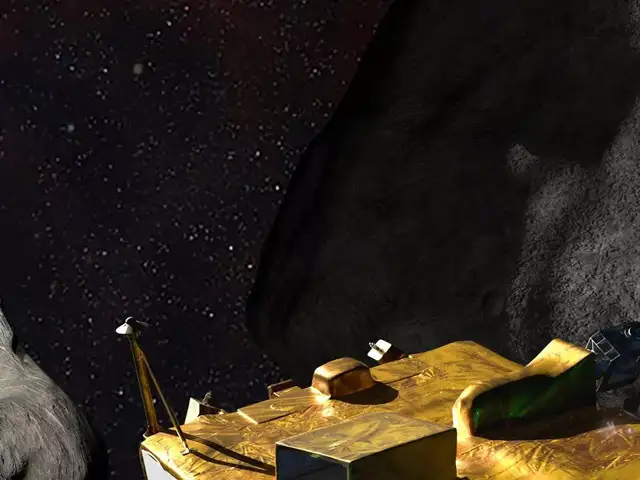
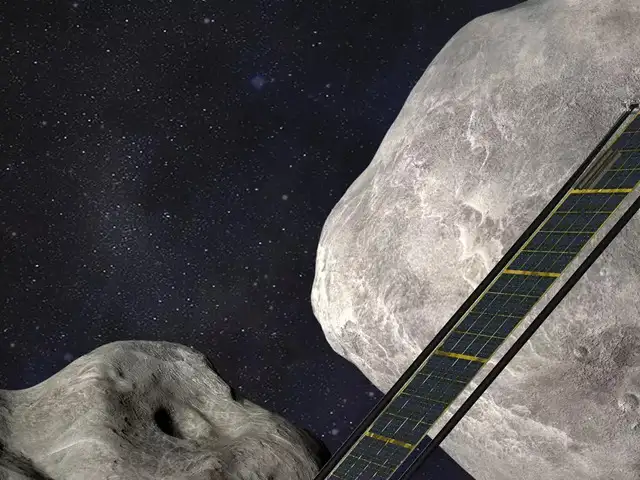
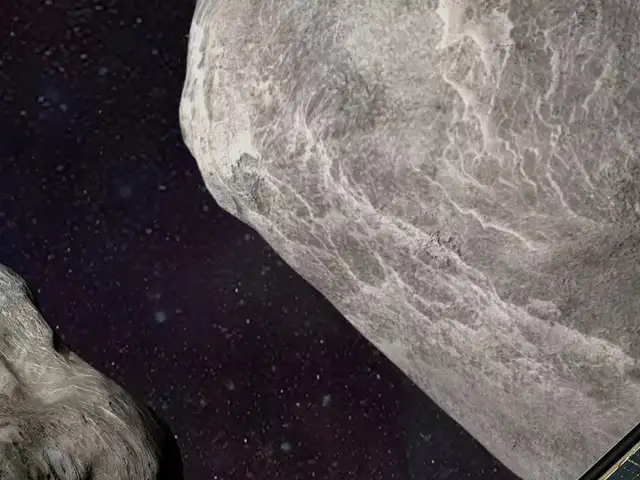



This asteroid would have struck the surface of Mars via relatively shallow waters (probably at a depth of 400 feet).
Such a collision would be strikingly similar to the Chicxulub impact that struck Earth 66 million years ago. The asteroid in question was estimated to have a width of about 6 kilometers.
ADVERTISEMENT
The simulation indicates that the impactor would have hit Mars and released energy equivalent to nearly 13 million megatons of TNT, much more than the Tsar Bomba, the deadliest nuclear weapon, which produced about 56 megatons of energy.
This massive collision would have generated a giant tsunami that over 800 feet high, which would have drastically changed some of the old Chryse Planitia Ocean shoreline.
ADVERTISEMENT
FAQs:
- Where is the Chicxulub Crater?
The Chicxulub crater was buried beneath a kilometer of younger rocks and sediments on the Yucatan Peninsula of Mexico. - Is the Martian moon Phobos expected to crash on Mars?
Phobos is moving towards Mars at a speed of six feet (1.8 meters) per hundred years. At this rate, it will either crash into Mars in 50 million years or break up into a ring.
Download
The Economic Times Business News App for the Latest News in Business, Sensex, Stock Market Updates & More.
The Economic Times Business News App for the Latest News in Business, Sensex, Stock Market Updates & More.
Download
The Economic Times News App for Quarterly Results, Latest News in ITR, Business, Share Market, Live Sensex News & More.
The Economic Times News App for Quarterly Results, Latest News in ITR, Business, Share Market, Live Sensex News & More.
Related Articles
 1,000 foot mega-tsunami could wipe out large parts of America? These US states face maximum threat from monster wave2025-08-17T11:18:21Z
- What is a mega-tsunami? Scientists sound alarm for US Pacific coast — could it happen and how far inland would it reach?2025-08-16T16:47:47Z
- Mega-tsunami warning: Could a single earthquake drown Seattle and Portland within minutes? New research raises alarm2025-08-16T15:20:51Z
ADVERTISEMENT


