Artemis 1's Orion capsule to reach Earth soon. See how it will be recovered after splashdown
Artemis 1's Orion capsule is about to reach Earth. Here's how NASA looks to recover it in the water.
By ET Spotlight Special |

Agencies
Artemis 1's Orion capsule is on its way to Earth on Sunday. The capsule has been slowing down from the 25,000 mph speed to around a dozen times faster than a rifle bullet, and it will slow down even more before hitting the sea surface.
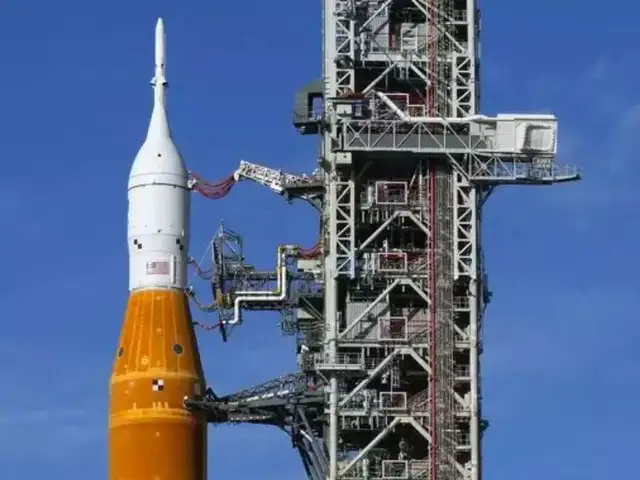
The splashdown path of Artemis 1's Orion capsule of NASA
Artemis 1's Orion capsule has completed the 25-and-a-half-day mission. Its speed is slowing down, and the capsule's heat shield will be around 5000 degrees.
The speed will come down to 20 mph before gliding towards the Earth.
The recovery team will be able to access it 50 to 60 nautical miles away from the San Diego coast.
The landing and recovery director, Melissa Jones, said they are frantically trying to get to the capsule and other parts before they sink into the ocean.
The capsule is expected to strike down at 12:40 PM EST on December 11.
The Portland will later transport the capsule to the naval base in San Diego.
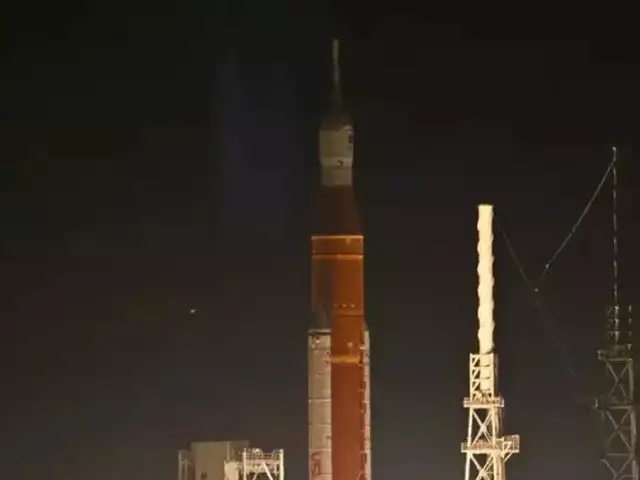
The recovery procedure of NASA's capsule
Melissa Jones said the primary splashdown site is closer to a navy base so that the recreational boats will be around.
She said the recovery team would also try to get the three parachutes for analysis. The divers will have to perform a sniff check for hydrazine or ammonia leakage.
The astronauts are advised to report to the medical bay within two hours. Lilian Villareal explained how the astronauts would have to maneuver out of Orion's batch in open water.
The splashdown path of Artemis 1's Orion capsule of NASA
Artemis 1's Orion capsule has completed the 25-and-a-half-day mission. Its speed is slowing down, and the capsule's heat shield will be around 5000 degrees.
The speed will come down to 20 mph before gliding towards the Earth.
The recovery team will be able to access it 50 to 60 nautical miles away from the San Diego coast.
The landing and recovery director, Melissa Jones, said they are frantically trying to get to the capsule and other parts before they sink into the ocean.
The capsule is expected to strike down at 12:40 PM EST on December 11.
The Portland will later transport the capsule to the naval base in San Diego.
ADVERTISEMENT
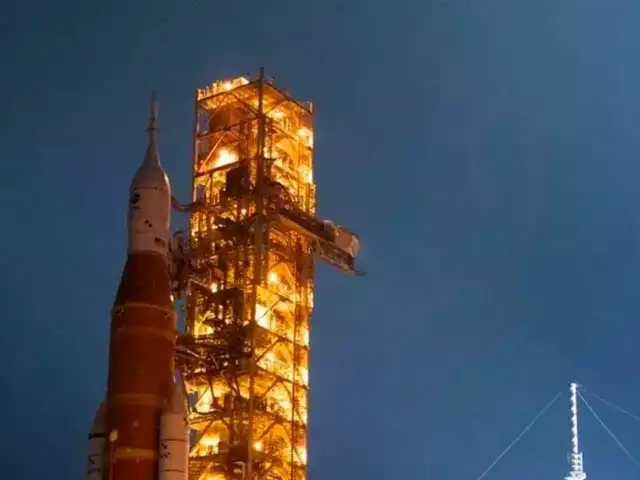

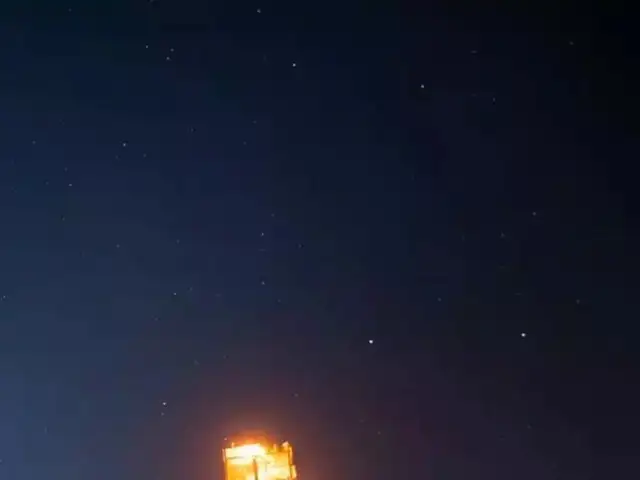

The recovery procedure of NASA's capsule
Melissa Jones said the primary splashdown site is closer to a navy base so that the recreational boats will be around.
She said the recovery team would also try to get the three parachutes for analysis. The divers will have to perform a sniff check for hydrazine or ammonia leakage.
The astronauts are advised to report to the medical bay within two hours. Lilian Villareal explained how the astronauts would have to maneuver out of Orion's batch in open water.
ADVERTISEMENT
FAQs:
- Who is Melissa Jones?
Melissa Jones is NASA's capsule recovery director. - How big is the capsule?
The capsule is 11 by 16 ½ feet.
Download
The Economic Times Business News App for the Latest News in Business, Sensex, Stock Market Updates & More.
The Economic Times Business News App for the Latest News in Business, Sensex, Stock Market Updates & More.
Download
The Economic Times News App for Quarterly Results, Latest News in ITR, Business, Share Market, Live Sensex News & More.
The Economic Times News App for Quarterly Results, Latest News in ITR, Business, Share Market, Live Sensex News & More.
Related Articles
 Humans drew so much groundwater since 1993 that Earth's spin axis tilted 31.5 inches, a Seoul team published the math in Geophysical Research Letters three decades later in 20232026-06-23T10:53:04Z
- Next ECMS tranche likely in August, to target rare earths, components2026-06-23T00:30:00Z
- How will the Earth and universe end? Scientists explain 3 theories that could decide the final fate of everything2026-06-22T14:05:35Z
ADVERTISEMENT


