‘Zombie Virus’: See 50,000 years old virus found in Siberia
A 50,000-year-old virus has been discovered in the Siberian permafrost, the layer below the topsoil that preserves various microbes and viruses for millions of years due to the freezing temperatures. This permafrost is melting and releasing harmfu...
By ET Spotlight Special |

Agencies
Plenty of viruses that are now called “zombie viruses” by scientists have now started to float in the earth’s atmosphere. Global warming has led to the melting of the permafrost faster than ever before. The ground is rich in minerals and compost of various animals and foliage that have passed away centuries ago. All this is happening as the Siberian climate is warming up and exposing the permafrost layer frozen earlier. This melting of the permafrost layer has led to unleashing of thousands of years old viruses that were till now dormant to start being released to infect other living beings. These viruses that have been re-animated are a threat to public health.
Researchers say that a quarter of the Northern Hemisphere is occupied by permafrost, the underlying frozen ground. The organic material that used to be frozen in the permafrost is now being melted due to global warming. This causes the organic material to be released, which is converted to carbon dioxide and methane upon contact with air, causing a greenhouse effect.
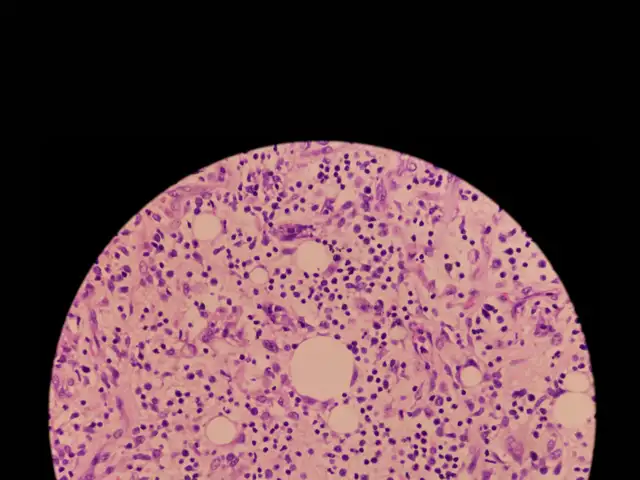
Scientists have shown particular interest in one such virus, which is 50,000 years old. Scientists had uncovered many old viruses, numbering 13, as never seen before, and were lying in the permafrost layer for thousands of years in a dormant state. The same scientists discovered a 30,000-year-old virus in 2014. The older one is 48,500 years old and is an amoeba virus.
Thirteen such viruses, all tens of thousands of years old, are being studied with keen interest.
Researchers say that a quarter of the Northern Hemisphere is occupied by permafrost, the underlying frozen ground. The organic material that used to be frozen in the permafrost is now being melted due to global warming. This causes the organic material to be released, which is converted to carbon dioxide and methane upon contact with air, causing a greenhouse effect.








Scientists have shown particular interest in one such virus, which is 50,000 years old. Scientists had uncovered many old viruses, numbering 13, as never seen before, and were lying in the permafrost layer for thousands of years in a dormant state. The same scientists discovered a 30,000-year-old virus in 2014. The older one is 48,500 years old and is an amoeba virus.
Thirteen such viruses, all tens of thousands of years old, are being studied with keen interest.
FAQs:
- Who introduced the smallpox vaccine?
Edward Jenner in 1796. - Who invented typhoid vaccination?
Almroth Wright in 1896.
Download
The Economic Times Business News App for the Latest News in Business, Sensex, Stock Market Updates & More.
The Economic Times Business News App for the Latest News in Business, Sensex, Stock Market Updates & More.
Download
The Economic Times News App for Quarterly Results, Latest News in ITR, Business, Share Market, Live Sensex News & More.
The Economic Times News App for Quarterly Results, Latest News in ITR, Business, Share Market, Live Sensex News & More.
ADVERTISEMENT


