What is Japanese knotweed and why is it hard to get rid of it? Here’s all you may want to know
Japanese knotweed has recently emerged in the news after an accountant was handed a £200,000 legal bill after he was found guilty of selling a home riddled with Japanese knotweed.
By ET Spotlight Special |

Agencies
Earlier this week, furniture designer Jonathan Downing found the dreaded Japanese knotweed behind the garden shed after he purchased the home and then won £32,000 in damages. Moreover, the seller was also required to pay legal fees of around £95,000.
The plant, Japanese knotweeds, is known to cause property damage and also hinder other plants from growing in the garden.
What is Japanese knotweed?
Japanese knotweed is a type of invasive plant species having the notorious property of spreading drastically and subsequently causing damage to cemented structures. They cost up to tens of thousands of dollars. According to the Royal Horticultural Society (RHS), the plant dies back to ground level in winter but by early summer, the bamboo-like stems of Japanese knotweed emerge from “rhizomes deep underground to shoot to more than 2.1m (7ft), suppressing all other plant growth”. Remarkably, it is nearly impossible to remove weeds by hand or even eradicate them with chemicals.
The reason Japanese knotweeds cause nuisance after growing in building structures is that they are known to block pipework, clog sumps and drainage pits. Other structures susceptible to its growth are water pipes, and cabling as these plants are known to cause environmental and legal implications. Japanese knotweed can grow up to 10 cm in a day
The plant, Japanese knotweeds, is known to cause property damage and also hinder other plants from growing in the garden.
What is Japanese knotweed?
Japanese knotweed is a type of invasive plant species having the notorious property of spreading drastically and subsequently causing damage to cemented structures. They cost up to tens of thousands of dollars. According to the Royal Horticultural Society (RHS), the plant dies back to ground level in winter but by early summer, the bamboo-like stems of Japanese knotweed emerge from “rhizomes deep underground to shoot to more than 2.1m (7ft), suppressing all other plant growth”. Remarkably, it is nearly impossible to remove weeds by hand or even eradicate them with chemicals. The reason Japanese knotweeds cause nuisance after growing in building structures is that they are known to block pipework, clog sumps and drainage pits. Other structures susceptible to its growth are water pipes, and cabling as these plants are known to cause environmental and legal implications. Japanese knotweed can grow up to 10 cm in a day
Why is it hard to get rid of Japanese knotweed?
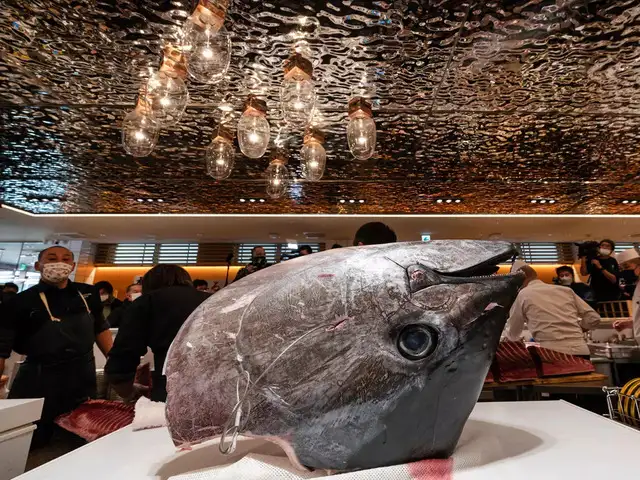
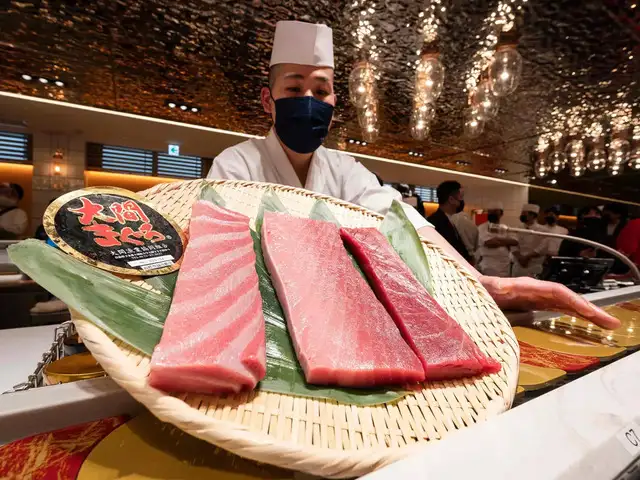
The roots of Japanese knotweed can grow as deep as 1 m which makes it notably hard to dig out and the plant can easily grow through cracks in the brickwork and pipework. Even governments have outlawed the growth of Japanese knotweed on your land and spread it onto other properties.The top-selling tuna at Tokyo's traditional New Year auction sold for more than $270,000 on January 5, nearly double last year's price, breaking a pandemic trend of slumping demand.




ADVERTISEMENT
Small clumps of Japanese knotweed are fairly easy to manage and can be removed by home gardeners by digging or spraying with weedkiller. However, it is usually recommended to hire a qualified, professional company to control the large portions of the plant. Professionals can also offer treatment plans with a guarantee its complete elimination. A glyphosate-based weedkiller is the best option to remove Japanese knotweeds though it can take several applications to completely eradicate the plant. FAQs:
- Why is Japanese knotweed harmful?
Its rapid growth can harm infrastructure and underground structures. - Is Japanese knotweed edible?
Yes
Download
The Economic Times Business News App for the Latest News in Business, Sensex, Stock Market Updates & More.
The Economic Times Business News App for the Latest News in Business, Sensex, Stock Market Updates & More.
Download
The Economic Times News App for Quarterly Results, Latest News in ITR, Business, Share Market, Live Sensex News & More.
The Economic Times News App for Quarterly Results, Latest News in ITR, Business, Share Market, Live Sensex News & More.
Related Articles
 Japanese Proverb of the Day: ‘Knocking on a stone bridge before…’ Popular saying on caution and thoroughness2026-07-04T06:23:13Z
- Japanese mindset of the day by Marie Kondo: "Attachment to the past and fears concerning the future not only govern the..." - Life-Changing Magic of Tidying Up author teaches lessons on decluttering, why letting go of past can change your life and why fear of future may hold you back2026-07-04T01:00:55Z
- Japanese mindset of the day by Haruki Murakami: "If you are kind of rich, the best thing is that you don't have to think about money. The best thing you can buy with money is..." - Norwegian Wood author teaches life lesson on why the greatest wealth is freedom and time2026-07-03T21:40:51Z
ADVERTISEMENT


