Westminster Hall live stream cut short as royal guard falls from podium
A royal guard on duty next to the Queen’s coffin fell down on Wednesday night. The live stream from the inside of Westminster Hall had to be cut short, though the live stream resumed shortly.
By ET Spotlight Special |

Agencies
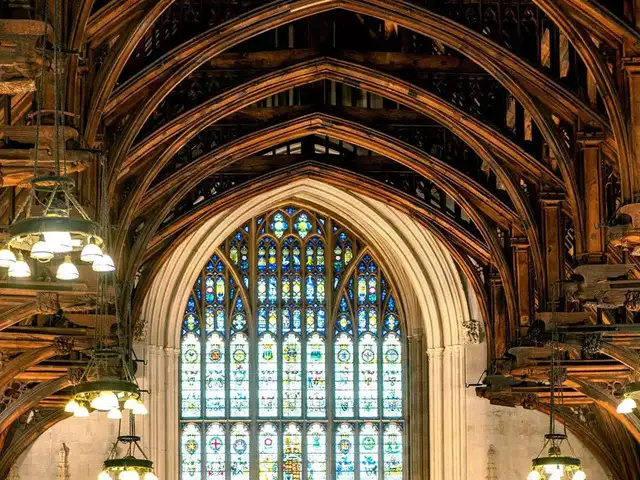
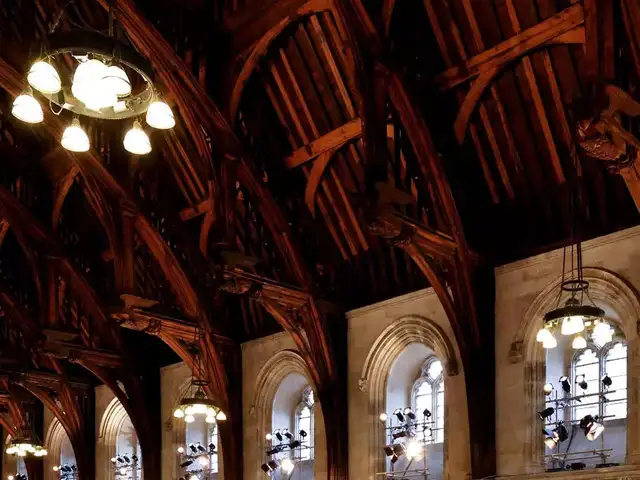
The live streaming from Westminster Hall was cut short after a royal guard standing next to the Queen’s coffin fell from the podium. The footage showed the guard swaying just before dropping from the podium, after which other servicemen rushed to help the fallen guard.
The incident happened on Wednesday night, and the live stream from inside Westminster Hall had to be stopped. However, the live telecast resumed shortly afterward. The Queen’s coffin reached Buckingham Palace on Tuesday evening following a procession led by her eldest son and the new head of the British monarchy, King Charles III.
The coffin has been placed on a catafalque podium, where the deceased Queen will rest until Monday. The funeral will take place on Monday, September 19, and will be attended by dignitaries from around the world and close associates of the royal family. Following the Queen’s death, the United Kingdom entered into seven days of national mourning, which was made voluntary for the public.
The Funeral of Queen Elizabeth will be screened in at least 150 theatres across the country. Cinema hall chains like Curzon, Vue, and Arc have confirmed that they will be screening the funeral for free, though attendees will need to pre-book their seats. Her Majesty’s government has declared a bank holiday on Monday, and most stores have decided to remain shut throughout the day.
Meanwhile, there have been reports of objectionable comments on the Queen’s death, especially in Northern Ireland. Fans of the Irish football team were also seen "celebrating" the Queen’s death and chanting "Lizzie’s in a Box" to the tune of a popular song. The PSNI is investigating a viral video from Quinn’s Bar in downtown Newcastle, which also featured a group chanting the objectionable line.
Her Majesty the Queen, Queen Elizabeth, was the longest reigning female monarch that’s ever lived and the longest British monarch. She passed away on September 8 at Balmoral Castle, Scotland.
The Queen’s funeral will take place on Monday, September 19.
Who is the new monarch of the UK?
King Charles III, the former Prince of Wales, is the new ruler of the United Kingdom and the Commonwealth Nations.
The incident happened on Wednesday night, and the live stream from inside Westminster Hall had to be stopped. However, the live telecast resumed shortly afterward. The Queen’s coffin reached Buckingham Palace on Tuesday evening following a procession led by her eldest son and the new head of the British monarchy, King Charles III.
The coffin has been placed on a catafalque podium, where the deceased Queen will rest until Monday. The funeral will take place on Monday, September 19, and will be attended by dignitaries from around the world and close associates of the royal family. Following the Queen’s death, the United Kingdom entered into seven days of national mourning, which was made voluntary for the public.
The Funeral of Queen Elizabeth will be screened in at least 150 theatres across the country. Cinema hall chains like Curzon, Vue, and Arc have confirmed that they will be screening the funeral for free, though attendees will need to pre-book their seats. Her Majesty’s government has declared a bank holiday on Monday, and most stores have decided to remain shut throughout the day.





Meanwhile, there have been reports of objectionable comments on the Queen’s death, especially in Northern Ireland. Fans of the Irish football team were also seen "celebrating" the Queen’s death and chanting "Lizzie’s in a Box" to the tune of a popular song. The PSNI is investigating a viral video from Quinn’s Bar in downtown Newcastle, which also featured a group chanting the objectionable line.
ADVERTISEMENT
Her Majesty the Queen, Queen Elizabeth, was the longest reigning female monarch that’s ever lived and the longest British monarch. She passed away on September 8 at Balmoral Castle, Scotland.
FAQs
When will the Queen’s funeral be held?The Queen’s funeral will take place on Monday, September 19.
Who is the new monarch of the UK?
King Charles III, the former Prince of Wales, is the new ruler of the United Kingdom and the Commonwealth Nations.
Download
The Economic Times Business News App for the Latest News in Business, Sensex, Stock Market Updates & More.
The Economic Times Business News App for the Latest News in Business, Sensex, Stock Market Updates & More.
Download
The Economic Times News App for Quarterly Results, Latest News in ITR, Business, Share Market, Live Sensex News & More.
The Economic Times News App for Quarterly Results, Latest News in ITR, Business, Share Market, Live Sensex News & More.
ADVERTISEMENT


