UK woodlands are being ravaged by 'Ash Dieback'. All you need to know
Ash dieback is a disease caused by a fungus and was first seen in the United Kingdom a decade ago. Experts suggested the disease would have bad repercussions but hoped the disease would spare some trees and the woodlands would largely be unaffected.
By ET Spotlight Special |

Agencies
Ash dieback, a fungus-caused illness, was discovered for the first time in the UK ten years ago, and now the disease is hitting harder than expected, and the cost of its prevention is increasing.

An expert said they would be lucky if only 5 per cent of the ash trees survived. The expert also said it is a tragedy for the ash trees to die, but it will also have knock-on effects. Thousands of people visit Warburg, which raises safety and health issues that could be very costly.
Warburg Nature Reserve is a Chiltern Hills gem with oak, birch, and beech trees transforming into golden, brown, yellow, and red leaf canopies in autumn.
Ash Dieback
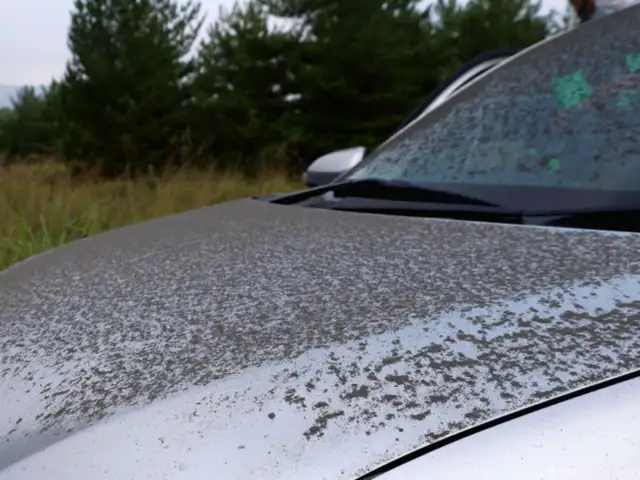
Ash dieback is a disease caused by a fungus and was first seen in the United Kingdom a decade ago. Experts suggested the disease would have bad repercussions but hoped the disease would spare some trees and the woodlands would largely be unaffected. However, it was not the case.One of the most active volcanos of Japan, the Sakurajima volcano has erupted again. Located in Kagoshima Prefecture, it erupted around 8:05 p.m. local time (7:05 a.m. ET) on Sunday, prompting evacuations in the region. The eruption continued for the second straight day on Monday. Sakurajima, about 1,000 km (600 miles) southwest of Tokyo, is one of the most active volcanos in Japan and has repeatedly erupted. It used to be an island but became a peninsula following an eruption in 1914.




An expert said they would be lucky if only 5 per cent of the ash trees survived. The expert also said it is a tragedy for the ash trees to die, but it will also have knock-on effects. Thousands of people visit Warburg, which raises safety and health issues that could be very costly.
Warburg Nature Reserve is a Chiltern Hills gem with oak, birch, and beech trees transforming into golden, brown, yellow, and red leaf canopies in autumn.
FAQs:
- What is ash dieback, and when was it first seen in the UK?
Ash dieback is a disease caused by a fungus and was first seen in the United Kingdom a decade ago. - What is the current scenario?
The disease is hitting harder than expected, and the cost of its prevention is increasing. We only expect 5 per cent of its species to survive.
Download
The Economic Times Business News App for the Latest News in Business, Sensex, Stock Market Updates & More.
The Economic Times Business News App for the Latest News in Business, Sensex, Stock Market Updates & More.
Download
The Economic Times News App for Quarterly Results, Latest News in ITR, Business, Share Market, Live Sensex News & More.
The Economic Times News App for Quarterly Results, Latest News in ITR, Business, Share Market, Live Sensex News & More.
ADVERTISEMENT


