UK inflation falls to 9.9% due to this factor
As gas prices decline, the UK's inflation rate falls from a 40-year high. For more information on predicted inflation throughout the year, keep reading.
By ET Spotlight Special |

Agencies
Britain's inflation rate fell marginally after gasoline prices fell from their highest level in four decades. However, the Bank of England still considers the rate of price increases to be uncomfortably high.
According to national statistics reports, the consumer price index rose 9.9% from last year's, which was slower than the 10.1% rate in July. However, the economists projected a reading of 10%.
Despite the better-than-expected outcome, it is still projected that the Bank of England will increase interest rates by 0.5% when its monetary policy committee meets the following week.
Inflation is still three times higher than the 3.2% recorded in August 2021, and the proclaimed 2% goal is still unfulfilled. The core inflation rate, which is regularly monitored by the MPC and excludes items like fuel, food, alcoholic drinks, and tobacco goods, jumped from 6.2 to 6.3% in the previous month.
For the thirteenth consecutive month, food price inflation increased, reaching a 14-year high of 13.1% in August, with notable price increases for essential items.
According to the ONS, prices for food and non-alcoholic beverages increased throughout 2022; the 1.5% increase between July and August was the most significant two-month increase since 1995.
The cost of footwear and apparel jumped from July to August by 1.1%, compared to a 0.2% increase the year before, pushing inflation from 6.6 to 7.6% as summer sales closed.
The Bank of England recently forecast that inflation would peak at about 13% by the end of this year and continue to rise through 2023.
Some factors are rising energy costs, a shortage of materials and resources, and COVID-19's consequences.
According to national statistics reports, the consumer price index rose 9.9% from last year's, which was slower than the 10.1% rate in July. However, the economists projected a reading of 10%.
Despite the better-than-expected outcome, it is still projected that the Bank of England will increase interest rates by 0.5% when its monetary policy committee meets the following week.
Inflation is Expected to Reach its Peak.
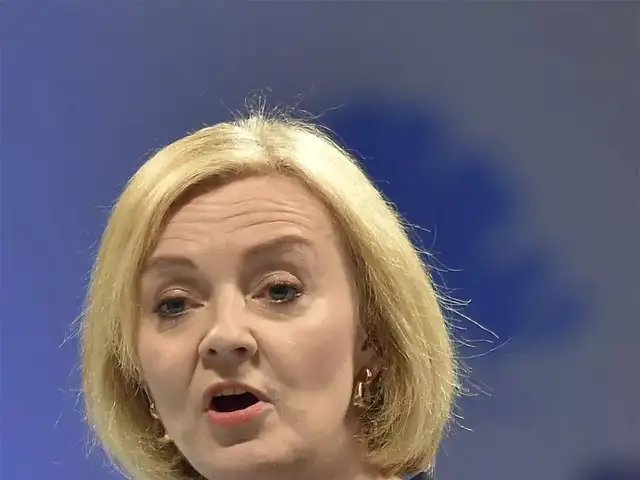
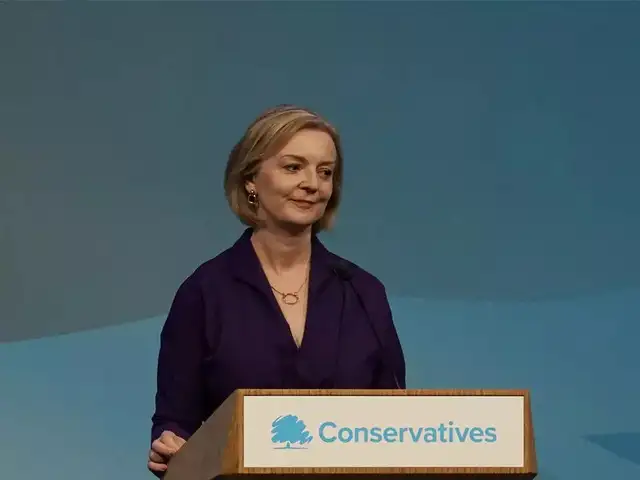
The readings indicate that inflation will soon peak, easing the strain on the central bank. Intentions to postpone an increase in energy prices set to go into effect in October were recently made public by Prime Minister Liz Truss. This will likely lessen the impact of a future price rise this winter. Despite those steps, inflation will remain above the BOE's 2% objective well into the following year.Inflation is still three times higher than the 3.2% recorded in August 2021, and the proclaimed 2% goal is still unfulfilled. The core inflation rate, which is regularly monitored by the MPC and excludes items like fuel, food, alcoholic drinks, and tobacco goods, jumped from 6.2 to 6.3% in the previous month.
ONS Data on the Increased Rate of Inflation
According to data from the Office for National Statistics (ONS), fuel prices dropped by more than 14p per litre in August as lower fuel costs finally caught up with falling oil prices worldwide. Between July and August, the annual inflation rate for motor fuels decreased from 43.7 to 32.1%.ADVERTISEMENT
For the thirteenth consecutive month, food price inflation increased, reaching a 14-year high of 13.1% in August, with notable price increases for essential items.


According to the ONS, prices for food and non-alcoholic beverages increased throughout 2022; the 1.5% increase between July and August was the most significant two-month increase since 1995.
The cost of footwear and apparel jumped from July to August by 1.1%, compared to a 0.2% increase the year before, pushing inflation from 6.6 to 7.6% as summer sales closed.
ADVERTISEMENT
More annual increases in inflation are expected as domestic energy costs keep rising. The peak is likely lower now that the average home energy bill is set at £2,500, at about 11 per cent.FAQs
How long will the high inflation rate in the UK persist?The Bank of England recently forecast that inflation would peak at about 13% by the end of this year and continue to rise through 2023.
ADVERTISEMENT
Why is inflation in the UK so high?Some factors are rising energy costs, a shortage of materials and resources, and COVID-19's consequences.
Download
The Economic Times Business News App for the Latest News in Business, Sensex, Stock Market Updates & More.
The Economic Times Business News App for the Latest News in Business, Sensex, Stock Market Updates & More.
Download
The Economic Times News App for Quarterly Results, Latest News in ITR, Business, Share Market, Live Sensex News & More.
The Economic Times News App for Quarterly Results, Latest News in ITR, Business, Share Market, Live Sensex News & More.
Related Articles
 UK inflation falls to 3.2% before Bank of England rate decision2025-12-17T07:29:40Z
- UK inflation falls to lowest level in over 3 years, cementing expectations for another rate cut2024-10-16T06:54:42Z
- UK inflation falls to Bank of England's 2% target rate for first time in nearly 3 years2024-06-19T07:11:52Z
ADVERTISEMENT


