UK doctor watched Jeremy Paxman host University Challenge and realised he had Parkinson's disease
One of his doctors observed TV quiz show host Jeremy Paxman's on University Challenge, and realised that he might have Parkinson's disease before the presenter went to the hospital and got himself diagnosed. After realizing he had the neurological...
By ET Spotlight Special |

Agencies
Jeremy Paxman, 72-year-old, received Parkinson's disease diagnosis after having a fall with his dog. He said that when he was in A&E, a doctor told him that he had Parkinson's disease.
Paxman said that the doctor had been watching University Challenge when he discovered his face had become what is known as the Parkinson's mask.
Paxman described the diagnosis as "totally unexpected." He was out for a walk in the square across the street. There was ice around him, and he was carrying the dog on a leash.
“The first thing I knew was when somebody was sitting me on a bench. I’d fallen over and I made a terrible mess of my face.
“I’d gone straight down on my hooter, which, as you can see, is not small. Cuts all over the place. I was a real mess.”

The condition's three major symptoms are uncontrollable shaking of certain regions of the body, known as tremors, delayed movement, and stiff and inflexible muscles.
Paxman said that he would be stepping down as host of University Challenge after 29 years in the role.
Who is Jeremy Paxman?
Jeremy Dickson Paxman is a television presenter, journalist, and broadcaster from England.
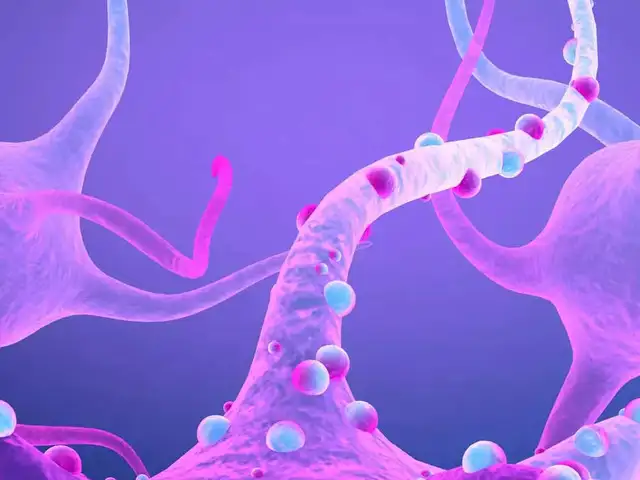
Parkinson's disease is a central nervous system condition that impairs mobility and frequently includes tremors.
Paxman said that the doctor had been watching University Challenge when he discovered his face had become what is known as the Parkinson's mask.
Paxman described the diagnosis as "totally unexpected." He was out for a walk in the square across the street. There was ice around him, and he was carrying the dog on a leash.
“The first thing I knew was when somebody was sitting me on a bench. I’d fallen over and I made a terrible mess of my face.
“I’d gone straight down on my hooter, which, as you can see, is not small. Cuts all over the place. I was a real mess.”







ADVERTISEMENT
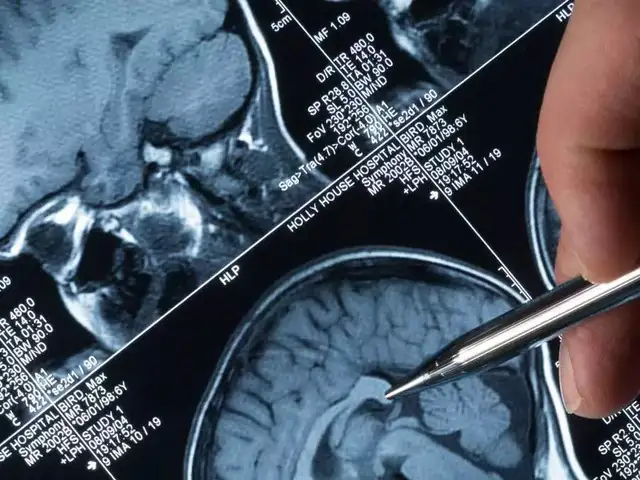
According to the NHS website, Parkinson's disease is a disorder in which areas of the brain deteriorate over time.The condition's three major symptoms are uncontrollable shaking of certain regions of the body, known as tremors, delayed movement, and stiff and inflexible muscles.
Paxman said that he would be stepping down as host of University Challenge after 29 years in the role.
FAQ
Who is Jeremy Paxman?Jeremy Dickson Paxman is a television presenter, journalist, and broadcaster from England.
ADVERTISEMENT
What is Parkinson's disease?Parkinson's disease is a central nervous system condition that impairs mobility and frequently includes tremors.
Download
The Economic Times Business News App for the Latest News in Business, Sensex, Stock Market Updates & More.
The Economic Times Business News App for the Latest News in Business, Sensex, Stock Market Updates & More.
Download
The Economic Times News App for Quarterly Results, Latest News in ITR, Business, Share Market, Live Sensex News & More.
The Economic Times News App for Quarterly Results, Latest News in ITR, Business, Share Market, Live Sensex News & More.
Related Articles
 Jeremy Paxman visits A&E three times in 24-hour period after serious health crisis
ADVERTISEMENT


