Nobel Prize 2022: List of all Nobel Prize winners from 2016
The prize was instituted in 1901 to recognize the contributions of people who could affect change with their discoveries and help the world.
By ET Spotlight Special |

Agencies
Nobel Prizes for the year of 2022 are being announced. Each year the prestigious prize is awarded for Physiology or Medicine, Physics, Chemistry, Literature, Peace, and Economic Sciences.
2022
Physics: Alain Aspect, John F. Clauser, Anton Zeilinger
Chemistry: Carolyn Bertozzi, Morten Meldal, Barry Sharpless
Medicine: Svante Pääbo
Literature: Annie Ernaux
Peace: Ales Bialiatski, Memorial and Center for Civil Liberties.
Chemistry: B. List, D. MacMillan
Literature: A. Gurnah
Peace: M. Ressa, D. Muratov
Economic Sciences: D. Card, J. Angrist, G. Imbens
Chemistry: E. Charpentier, J. Doudna
Medicine: H. Alter, M. Houghton, and C. Rice
Peace: World Food Programme (WFP)
Economic Sciences: P. Milgrom and R. Wilson
Chemistry: J. Goodenough, M. Whittingham, and A. Yoshino
Medicine: W. Kaelin Jr, Sir P. Ratcliffe, and G. Semenza
Literature: P. Handke
Peace: A. Ahmed Ali
Economic Sciences: A. Banerjee, E. Duflo and M. Kremer
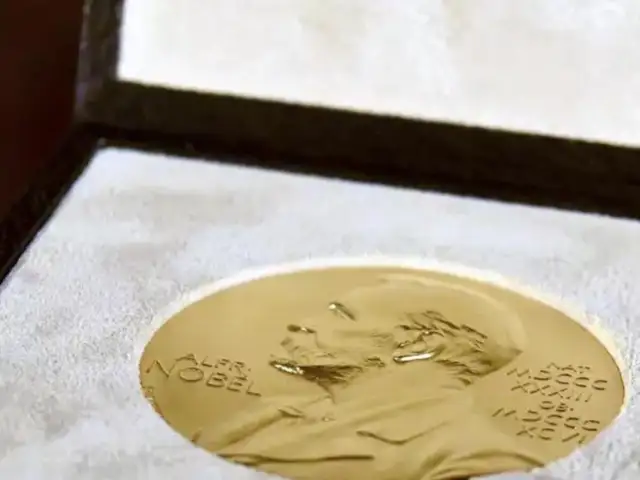
Chemistry: F. Arnold, G. Smith, and Sir G. Winter
Medicine 2018: J. Allison and T. Honjo
Literature: O. Tokarczuk
Peace: D. Mukwege and N. Murad
Economic Sciences: W. Nordhaus, P. Romer
Chemistry: J. Dubochet, J. Frank and R. Henderson
Medicine: J. Hall, M. Rosbash and M. Young
Literature : K. Ishiguro
Peace: International Campaign to Abolish Nuclear Weapons (ICAN)
Economic Sciences: R. Thaler
Chemistry: J. Pierre Sauvage, Sir J. F. Stoddard and B. L. Feringa
Medicine: Yoshinori Ohsumi
Literature: B. Dylan
Peace: J. M. Santos
Economic Sciences: O. Hart, B. Holmstrom
2022
Physics: Alain Aspect, John F. Clauser, Anton ZeilingerChemistry: Carolyn Bertozzi, Morten Meldal, Barry Sharpless
Medicine: Svante Pääbo
Literature: Annie Ernaux
Peace: Ales Bialiatski, Memorial and Center for Civil Liberties.
2021
Physics: S. Manabe, K. Hasselmann, G. Parisi.Chemistry: B. List, D. MacMillan
ADVERTISEMENT
Medicine: D. Julius, A. PatapoutianLiterature: A. Gurnah
Peace: M. Ressa, D. Muratov
Economic Sciences: D. Card, J. Angrist, G. Imbens
2020
Physics: R. Penrose, R. Genzel, A. GhezChemistry: E. Charpentier, J. Doudna
Medicine: H. Alter, M. Houghton, and C. Rice
ADVERTISEMENT
Literature: L. GluckPeace: World Food Programme (WFP)
Economic Sciences: P. Milgrom and R. Wilson
ADVERTISEMENT
2019
Physics: J. Peebles, M. Mayor, and D. QuelozChemistry: J. Goodenough, M. Whittingham, and A. Yoshino
Medicine: W. Kaelin Jr, Sir P. Ratcliffe, and G. Semenza
Literature: P. Handke
Peace: A. Ahmed Ali
Economic Sciences: A. Banerjee, E. Duflo and M. Kremer
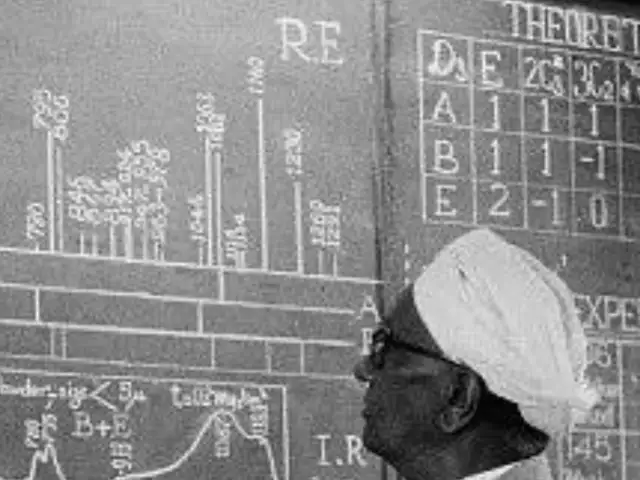
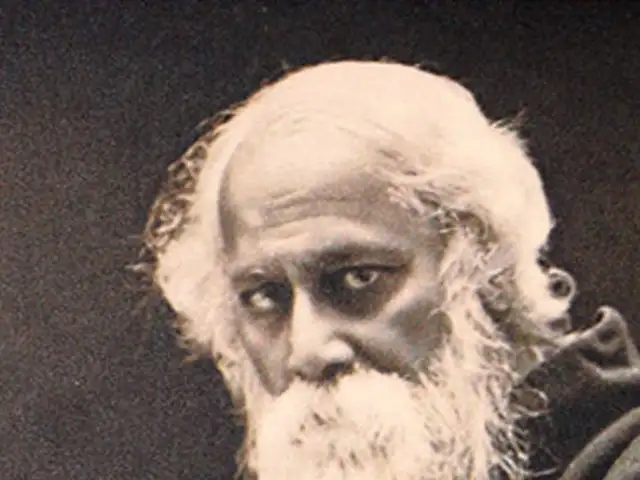

2018
Physics: A. Ashkin, G. Mourou, and D. StricklandChemistry: F. Arnold, G. Smith, and Sir G. Winter
Medicine 2018: J. Allison and T. Honjo
Literature: O. Tokarczuk
Peace: D. Mukwege and N. Murad
Economic Sciences: W. Nordhaus, P. Romer
2017
Physics: R. Weiss, B. Barish, and K. ThorneChemistry: J. Dubochet, J. Frank and R. Henderson
Medicine: J. Hall, M. Rosbash and M. Young
Literature : K. Ishiguro
Peace: International Campaign to Abolish Nuclear Weapons (ICAN)
Economic Sciences: R. Thaler
2016
Physics: D. J. Thouless, F. Duncan M. Haldane and J. Michael KosterlitzChemistry: J. Pierre Sauvage, Sir J. F. Stoddard and B. L. Feringa
Medicine: Yoshinori Ohsumi
Literature: B. Dylan
Peace: J. M. Santos
Economic Sciences: O. Hart, B. Holmstrom
FAQs:
- When did Alfred Nobel die?
1896 - Name Dr. Nobel's profession.
Chemist.
Download
The Economic Times Business News App for the Latest News in Business, Sensex, Stock Market Updates & More.
The Economic Times Business News App for the Latest News in Business, Sensex, Stock Market Updates & More.
Download
The Economic Times News App for Quarterly Results, Latest News in ITR, Business, Share Market, Live Sensex News & More.
The Economic Times News App for Quarterly Results, Latest News in ITR, Business, Share Market, Live Sensex News & More.
Related Articles
 Nobel Prize winner John Jumper quits Google DeepMind after nearly a decade; set to join Anthropic2026-06-19T19:07:22Z
- Quote of the day by Marie Curie: 'I have frequently been questioned, especially by women, of how I could reconcile family life with...' - the first female Nobel Prize winner reveals struggles of working women to balance work and family2026-05-15T22:26:02Z
- Quote of the day by Albert Camus: 'Lying is not only saying what isn't true. It is also, in fact especially, saying more than...' - Nobel Prize winner and The Stranger author reveals psychology behind why people lie and hide true feelings and emotions2026-05-13T19:37:32Z
ADVERTISEMENT


