NHS England offers Covid booster: Last chance for adults under 50 to get booster jab
NHS England offers Covid booster shot to adults under 50 in England will culminate in just over a week. If they haven't already, it is their last chance to receive a top-up dose or a third shot if they are healthy and between the ages of 16 and 49.
By ET Spotlight Special |

Agencies
The COVID-19 pandemic has affected older adults in specific ways that need attention and care. Psychologists have provided critical guidance and support as communities respond to the pandemic. Vaccination is a necessary way to safeguard oneself from Covid. Now, adults under the age of 50 years in England have a limited time to take advantage of the NHS offer of a COVID-19 booster jab. It's the last opportunity for healthy 16-49-year-olds to receive a top-up dose, which is necessary to protect them from the virus.
Appointments are available at thousands of locations, including GP practices and high street pharmacies, up to and including Sunday, 12 February.
How many have been booked for Booster jab?
According to NHS England,15,000 people booked, and there are still 391,000 left.
How can you book Covid vaccine?
In England
You can book all doses online via 119
In Scotland
Aged 16 and above can register for their first dose and second dose, and booster jab online, or they can book on the number by calling 0800-030-8013
In Wales
Above 16 of age will be requested for their booster. They can contact their health board if they have yet to be invited or have not received their first two doses. Existing appointments can be changed or cancelled by you online.
In Northern Ireland
All three doses can be booked online or by calling 0300- 200 -7813
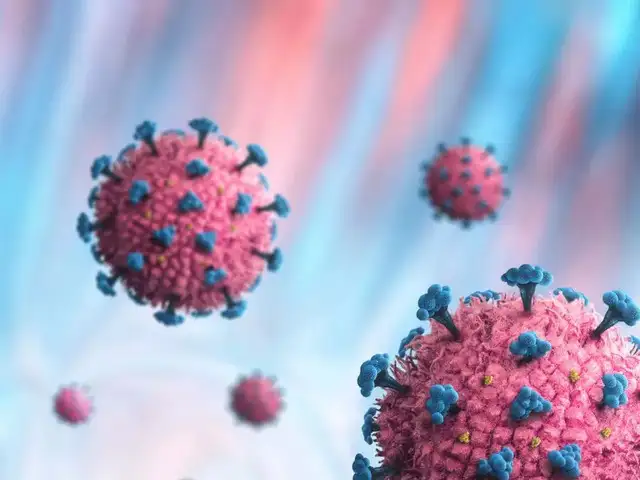
Which vaccine will people get?
The NHS utilises Moderna's "bivalent" vaccine, which will be effective on the First original Covid virus and the second variant 'Omicron'.
The first and second doses are either AstraZeneca and those under age 40 Pfizer or Moderna.
The COVID-19 booster shot can help reduce the spread of the virus, which is essential to keep the number of infections down and prevent it from becoming a more significant health crisis.
Appointments are available at thousands of locations, including GP practices and high street pharmacies, up to and including Sunday, 12 February.
Who qualifies for the booster jab?
- Those who are age 16 or above or at risk.
- Children who have taken the first and second doses to qualify for the booster jab.
- Health and social care workers.
How many have been booked for Booster jab?
According to NHS England,15,000 people booked, and there are still 391,000 left. How can you book Covid vaccine?
In England
You can book all doses online via 119 In Scotland
Aged 16 and above can register for their first dose and second dose, and booster jab online, or they can book on the number by calling 0800-030-8013ADVERTISEMENT
In Wales
Above 16 of age will be requested for their booster. They can contact their health board if they have yet to be invited or have not received their first two doses. Existing appointments can be changed or cancelled by you online.In Northern Ireland
All three doses can be booked online or by calling 0300- 200 -7813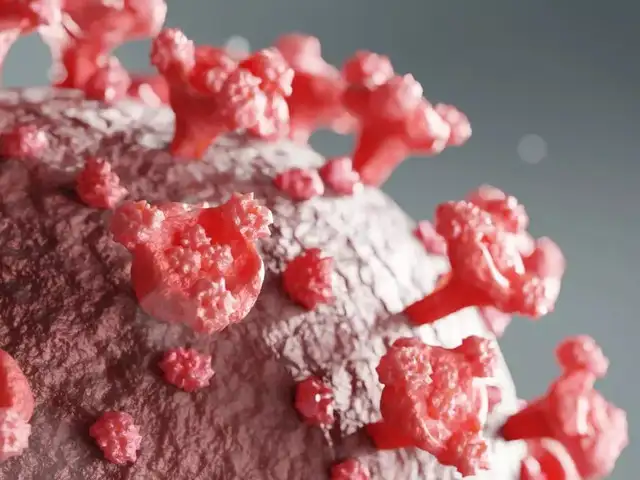

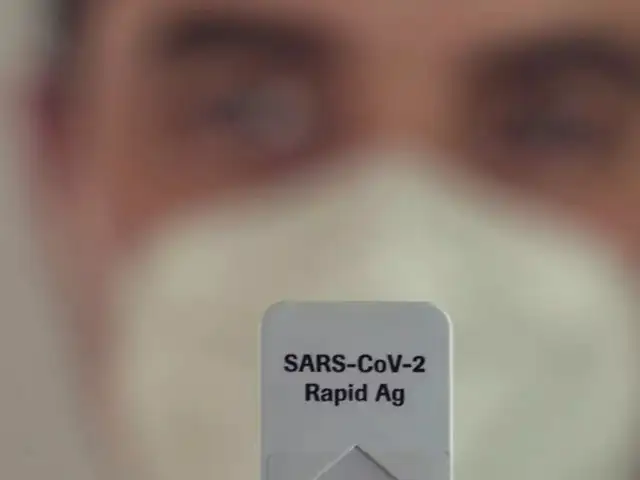







Which vaccine will people get?
The NHS utilises Moderna's "bivalent" vaccine, which will be effective on the First original Covid virus and the second variant 'Omicron'. The first and second doses are either AstraZeneca and those under age 40 Pfizer or Moderna.
ADVERTISEMENT
The spread of the virus has become a significant concern, and people must take the necessary precautions to stay protected. The COVID-19 booster shot can help reduce the spread of the virus, which is essential to keep the number of infections down and prevent it from becoming a more significant health crisis.
ADVERTISEMENT
In the UK, more than 151 million Covid vaccines have been administered. Around 53.8 million people had a first dose, 50.8 million had a second dose, and 40.4 million population had a booster dose or third dose.FAQs:
- Which vaccine will people get?
The NHS utilises Moderna's "bivalent" vaccine, which will be effective on the First original Covid virus and the second variant 'Omicron'. - Who qualifies for the booster jab?
Those who are age 16 or above or at risk.Children who have taken the first and second doses to qualify for the booster jab.Health and social care workers.
Download
The Economic Times Business News App for the Latest News in Business, Sensex, Stock Market Updates & More.
The Economic Times Business News App for the Latest News in Business, Sensex, Stock Market Updates & More.
Download
The Economic Times News App for Quarterly Results, Latest News in ITR, Business, Share Market, Live Sensex News & More.
The Economic Times News App for Quarterly Results, Latest News in ITR, Business, Share Market, Live Sensex News & More.
Related Articles
 KPIT Tech shares sink 17%, see worst plunge since 2020 Covid crash. Time to buy or more pain ahead?2026-07-01T06:26:23Z
- “Jesus Christ is coming and COVID is going to kill us all”: Florida mother who drowned her baby in a bathtub and stabbed her husband, daughter found not guilty. Here's why2026-06-25T12:25:29Z
- U. S government health CDC journal blocked COVID-19 vaccine study but paper has finally been published. What is in it? Details here2026-06-24T13:38:00Z
ADVERTISEMENT


