Meteor showers: Check list of major occurrences in 2023
The new year will bring lots of amazing skywatching occasions, including supermoons, meteor showers, and even an annular solar eclipse.
By ET Spotlight Special | Updated:

Getty Images
It's 2023! This new year will bring lots of amazing skywatching chances, including meteor showers, supermoons, and even an annular solar eclipse.
If you are just going to watch the sky a few times, look for large meteor showers that won't have too much moonlight, washing away weak streaks. Peak times for two of the most popular showers, the Perseids and Geminids, will be nearly entirely free of moonlight in 2023!
Quadrantid meteor shower in January
The Quadrantids are the first meteor shower of 2023, peaking between Tuesday, January 3, and Wednesday, January 4. While NASA claims that this meteor shower can generate up to 80 meteors per hour at its peak, there is one major issue: a nearly full moon will make meteors difficult to identify. The Quadrantids also have a very brief peak, lasting only a few hours.
Lyrid meteor shower in April
Each year, the Lyrids put on a show of quick, brilliant meteors around Earth Day, and NASA claims they've been spotted for almost 2,700 years. At its height, this shower produces roughly 18 meteors per hour, however, it has been known to surprise observers with up to 100.
While the Lyrids meteor shower is not as spectacular as the Perseids in August, it has its own unique characteristics. Lyrid meteors are distinguished by their beautiful incandescent "trains" of dust that can last several seconds.
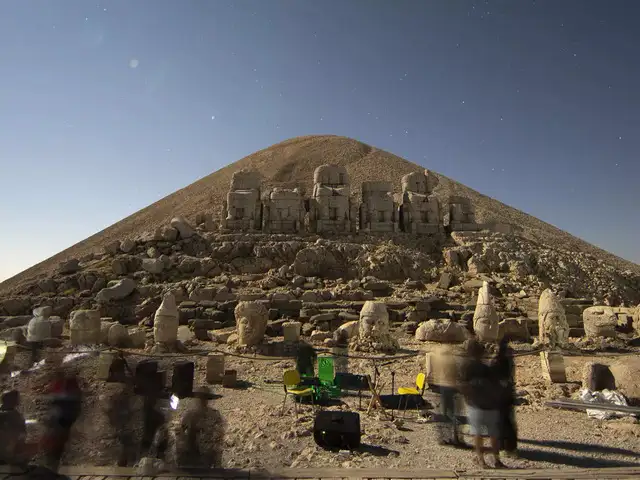
Perseid meteor shower in August
The Perseid meteor shower is often regarded as the greatest of the year, with a peak of 50 to 100 meteors per hour and some extra-bright "fireballs." Furthermore, the mild weather allows for an enjoyable watching experience.
There's a significant advantage for stargazers in 2023 that they didn't enjoy in 2022. The Perseids will peak around August 12, 2023, when the moon will be near new.
Leonids in November
The Leonids can emit up to 15 brilliant, rapid, and colourful meteors each hour. The shower is famous for fireballs and "Earth-grazer meteors," which have lengthy, multi-coloured tails and streak close to the horizon. And every now and then, viewers are treated to a spectacular display.
If you are just going to watch the sky a few times, look for large meteor showers that won't have too much moonlight, washing away weak streaks. Peak times for two of the most popular showers, the Perseids and Geminids, will be nearly entirely free of moonlight in 2023!
Here are some major celestial events to look out for in 2023
Quadrantid meteor shower in January
The Quadrantids are the first meteor shower of 2023, peaking between Tuesday, January 3, and Wednesday, January 4. While NASA claims that this meteor shower can generate up to 80 meteors per hour at its peak, there is one major issue: a nearly full moon will make meteors difficult to identify. The Quadrantids also have a very brief peak, lasting only a few hours.
Lyrid meteor shower in April
Each year, the Lyrids put on a show of quick, brilliant meteors around Earth Day, and NASA claims they've been spotted for almost 2,700 years. At its height, this shower produces roughly 18 meteors per hour, however, it has been known to surprise observers with up to 100.
ADVERTISEMENT
It runs annually from April 16 to April 25.While the Lyrids meteor shower is not as spectacular as the Perseids in August, it has its own unique characteristics. Lyrid meteors are distinguished by their beautiful incandescent "trains" of dust that can last several seconds.
Stargazers gathered to watch the Perseid meteor shower among ancient statues atop Mount Nemrut in southeastern Turkey.



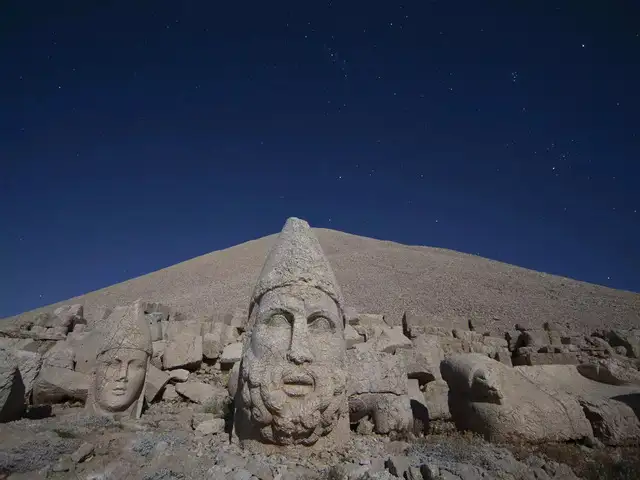
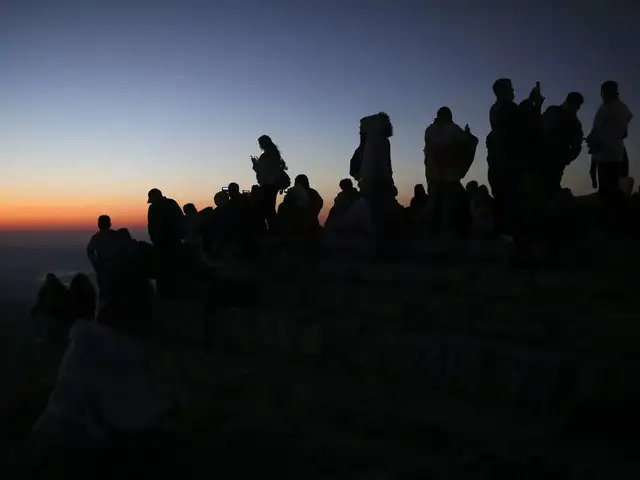

Perseid meteor shower in August
The Perseid meteor shower is often regarded as the greatest of the year, with a peak of 50 to 100 meteors per hour and some extra-bright "fireballs." Furthermore, the mild weather allows for an enjoyable watching experience.
ADVERTISEMENT
There's a significant advantage for stargazers in 2023 that they didn't enjoy in 2022. The Perseids will peak around August 12, 2023, when the moon will be near new.
Leonids in November
ADVERTISEMENT
The Leonids will peak in the early morning hours of November 18, 2023, according to EarthSky. Because the moon will be only about a quarter full, it is unlikely to steal the show.The Leonids can emit up to 15 brilliant, rapid, and colourful meteors each hour. The shower is famous for fireballs and "Earth-grazer meteors," which have lengthy, multi-coloured tails and streak close to the horizon. And every now and then, viewers are treated to a spectacular display.
FAQs
- What occurs when there is a meteor shower?
When Earth travels in the path of a comet, a meteor shower occurs. - How uncommon is it to witness a meteor shower?
Each year, around 30 meteor showers are visible to observers on Earth.
Download
The Economic Times Business News App for the Latest News in Business, Sensex, Stock Market Updates & More.
The Economic Times Business News App for the Latest News in Business, Sensex, Stock Market Updates & More.
Download
The Economic Times News App for Quarterly Results, Latest News in ITR, Business, Share Market, Live Sensex News & More.
The Economic Times News App for Quarterly Results, Latest News in ITR, Business, Share Market, Live Sensex News & More.
Related Articles
 How to watch the Geminid meteor shower 2023: Where to see and peak times
ADVERTISEMENT


