Iran hijab protest: Iranian parliament, judiciary are reviewing headscarf law
Unable to suppress the two months of protests against the forced Hijab mandate, the Iranian parliament and judiciary are finally looking into the issue.
By ET Spotlight Special |

Agencies
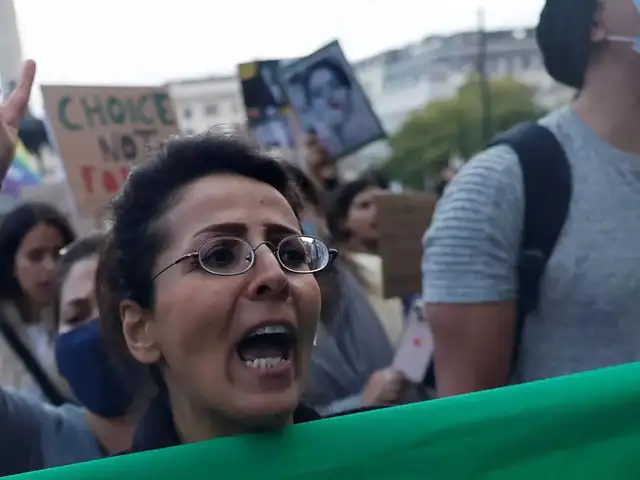
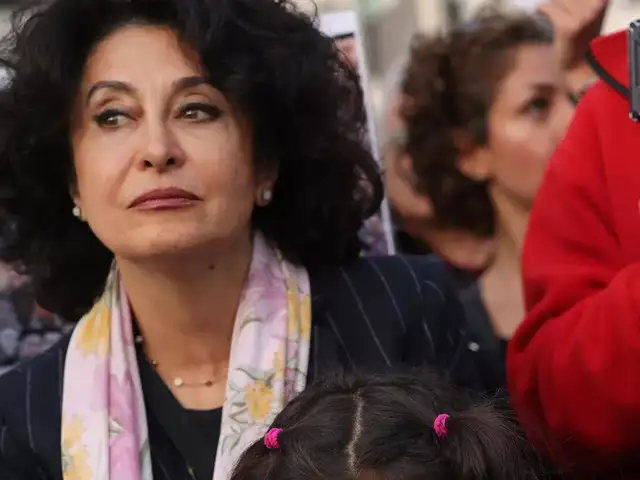
The protests by the Iranian women have been going on for more than two months now despite the government's stringent attempts to stop the protest. Finally, the Iranian attorney general has notified that the parliament and judiciary are looking to solve the issue.
According to a statement issued by the Iranian Attorney General Mohammad Jafar Montazeri on Saturday, both The Iran parliament and judiciary were working on the issue and discussing if the decades-old law requiring women to cover their heads needs any changes. However, he did not specify what changes might occur in the law by the two bodies, which mainly comprise of conservatives. The review squad met on Wednesday with the cultural commission from the parliament, and the results of the meeting will be released within two weeks, the attorney general added.
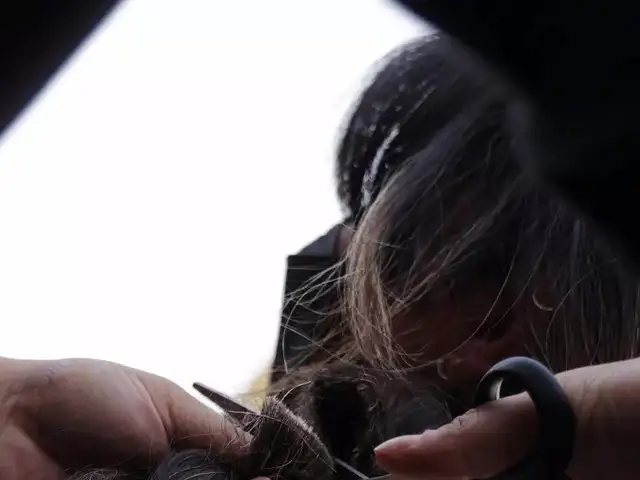
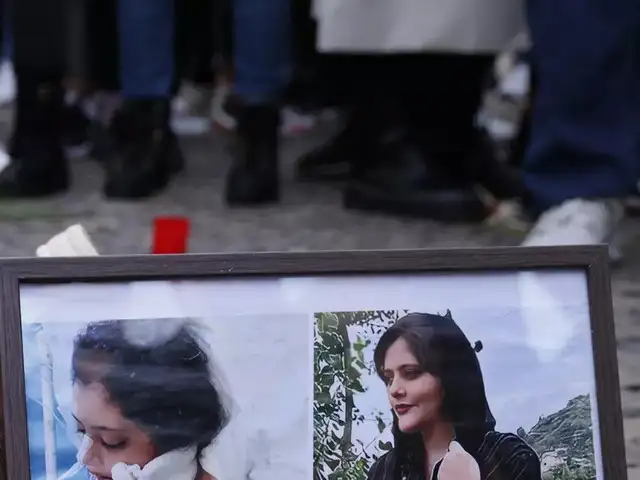
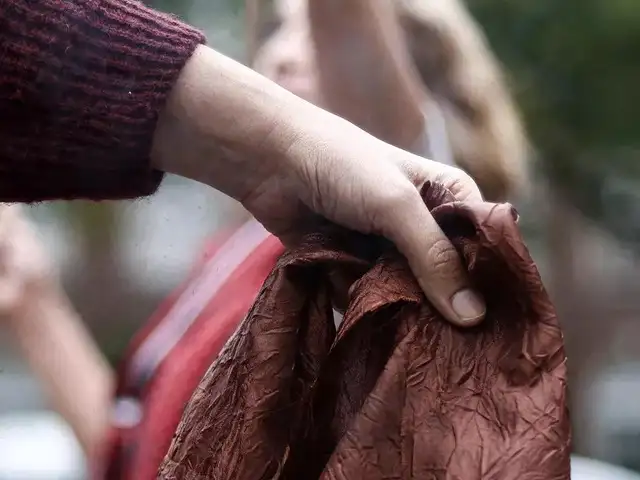
The protest began after Mahsa Amini, a young Iranian, was arrested by the morality police for going against sharia-based law and was later killed in custody on September 16. The following weeks saw protestors burn their Hijab and openly shout anti-government slogans. And later saw an increase in women not wearing their headscarves in different parts of the country. The Hijab mandate was enforced in 1983 after the Islamic revolution overthrew the monarchy.

The morality police and the Iran government took extreme measures to stop the protests by arresting around 14,000 people and even opening fire on some of them. But the protest went on.
According to a statement issued by the Iranian Attorney General Mohammad Jafar Montazeri on Saturday, both The Iran parliament and judiciary were working on the issue and discussing if the decades-old law requiring women to cover their heads needs any changes. However, he did not specify what changes might occur in the law by the two bodies, which mainly comprise of conservatives. The review squad met on Wednesday with the cultural commission from the parliament, and the results of the meeting will be released within two weeks, the attorney general added.
The protest began after Mahsa Amini, a young Iranian, was arrested by the morality police for going against sharia-based law and was later killed in custody on September 16. The following weeks saw protestors burn their Hijab and openly shout anti-government slogans. And later saw an increase in women not wearing their headscarves in different parts of the country. The Hijab mandate was enforced in 1983 after the Islamic revolution overthrew the monarchy.

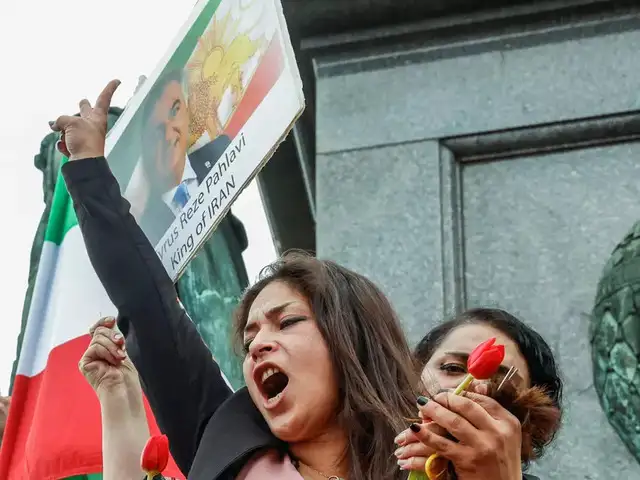

The morality police and the Iran government took extreme measures to stop the protests by arresting around 14,000 people and even opening fire on some of them. But the protest went on.
FAQs:
- Who was the first woman killed during the Iran protest?
Mahsa Amini was killed in custody by the morality police. - When was the Hijab mandate passed in Iran?
It was passed in April 1983.
Download
The Economic Times Business News App for the Latest News in Business, Sensex, Stock Market Updates & More.
The Economic Times Business News App for the Latest News in Business, Sensex, Stock Market Updates & More.
Download
The Economic Times News App for Quarterly Results, Latest News in ITR, Business, Share Market, Live Sensex News & More.
The Economic Times News App for Quarterly Results, Latest News in ITR, Business, Share Market, Live Sensex News & More.
Related Articles
 Strict restrictions in Kashmir on Friday, Jama Masjid shut, pro-Iran protest in Budgam
ADVERTISEMENT


