Horse trainer Henry de Bromhead's son Jack dies in freak accident at Glenbeigh Racing Festival
It is understood that the 13-year-old boy was making a turn while on the water's edge and fell off the pony on the edge of Ireland's one of the most beautiful beaches.
By ET Spotlight Special | Updated:

Agencies
A 13-year-old boy died in a freak accident as he fell off his pony while making a turn. Jack, son of trainer Henry de Bromhead, was riding a pony on Rossbeigh Beach at Glenbeigh Racing Festival when the tragedy struck. Tributes are pouring in for the sweet little 13-year-old boy.
It is understood that the 13-year-old boy was making a turn while on the water's edge and fell off the pony on the edge of Ireland's one of the most beautiful beaches at 5 pm yesterday.
She gave her condolences to the boy's friends, family, extended family, and the racing community. She mentioned they had a tremendous weekend when the boy was with them the last week. Colm Sayers, Dingle Race Committee Chair, said everyone looks out for each other in the tightly knit pony racing community. He said everyone's heart is broken, and his sympathies go to the young boy's family.
A1. Jack, son of Henry de Bromhead, dies in a freak accident as he fell off his pony while making a turn.
Q2. Who is Jack's father?
A2. Jack's father is the famous top horse trainer, Henry de Bromhead.
It is understood that the 13-year-old boy was making a turn while on the water's edge and fell off the pony on the edge of Ireland's one of the most beautiful beaches at 5 pm yesterday.
Pronounced Dead
Medical staff rushed to help the boy, but the little boy was pronounced dead. Jack's family was present at the course when this tragic accident happened. The young lad's body has been taken to Tralee's Kerry University Hospital. A post-mortem will be conducted.Cancel Everything
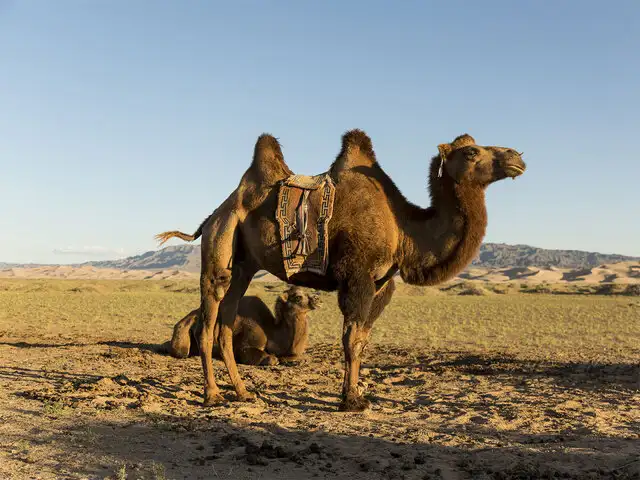
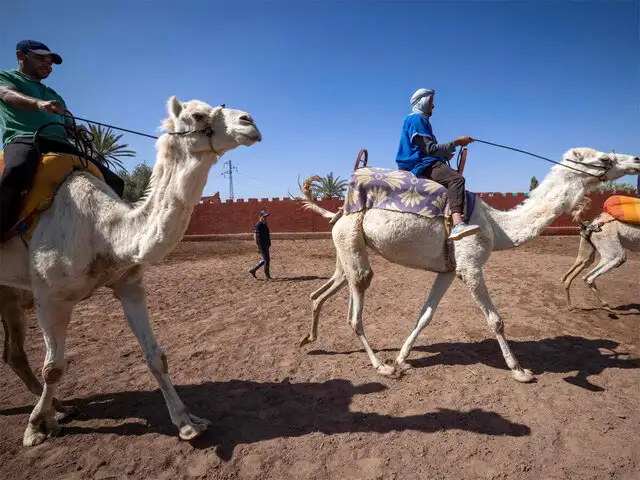
A file is being prepared for the coroner as Gardai will be treating the accident. Glenbeigh Races canceled all the other races at the event post the unfortunate tragedy. Catherine Cournane, Cahersiveen Races official, told how the little boy Jack won his first race at the festival last week. She mentioned that the boy was talented.According to a report by AFP, for thousands of years, horses and donkeys have been some of our species' most important partners. A new study published shows they're also friends to desert animals and plants, by digging deep wells that provide a vital source of water, especially at the height of summer. Biologist Erick Lundgren, lead author of the paper in Science, told AFP he first began noticing the phenomenon while working in western Arizona as a field technician studying river systems.

She gave her condolences to the boy's friends, family, extended family, and the racing community. She mentioned they had a tremendous weekend when the boy was with them the last week. Colm Sayers, Dingle Race Committee Chair, said everyone looks out for each other in the tightly knit pony racing community. He said everyone's heart is broken, and his sympathies go to the young boy's family.
ADVERTISEMENT
FAQs
Q1. How did Jack die?A1. Jack, son of Henry de Bromhead, dies in a freak accident as he fell off his pony while making a turn.
Q2. Who is Jack's father?
A2. Jack's father is the famous top horse trainer, Henry de Bromhead.
Download
The Economic Times Business News App for the Latest News in Business, Sensex, Stock Market Updates & More.
The Economic Times Business News App for the Latest News in Business, Sensex, Stock Market Updates & More.
Download
The Economic Times News App for Quarterly Results, Latest News in ITR, Business, Share Market, Live Sensex News & More.
The Economic Times News App for Quarterly Results, Latest News in ITR, Business, Share Market, Live Sensex News & More.
ADVERTISEMENT


