Google Doodle remembers Argentine marine biologist Irene Bernasconi. Find out why
In 1968, Irene Bernasconi was the first Argentine woman to lead a marine biological expedition to Antarctica.
By ET Spotlight Special |

Agencies
Today’s Google Doodle recognised the works of Argentine marine biologist Irene Bernasconi. As the first Argentine woman, Bernasconi led a marine biological expedition in Antarctica on this day in 1968.
To mark the day, today’s region-limited Google Doodle celebrated Bernasconi’s work through her sculpted artwork showing her exploring and making notes on starfish on a seaside.
Who was Irene Bernasconi?
Born in La Plata, Argentina, on September 29, 1896, Bernasconi started her career as a teacher, specialising in biological studies, and later, she joined the Argentine Museum of Natural Sciences.
Irene Bernasconi became the first echinoderm specialist in Argentina, who also published her scientific works on mollusks and marine invertebrates in 1925. However, she primarily focused on the research on sea stars.
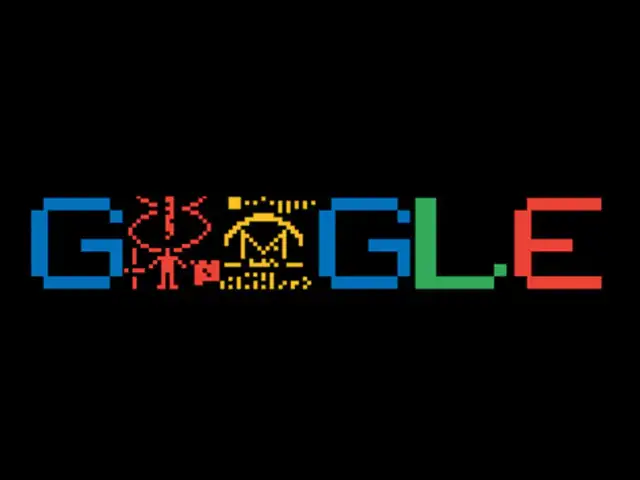
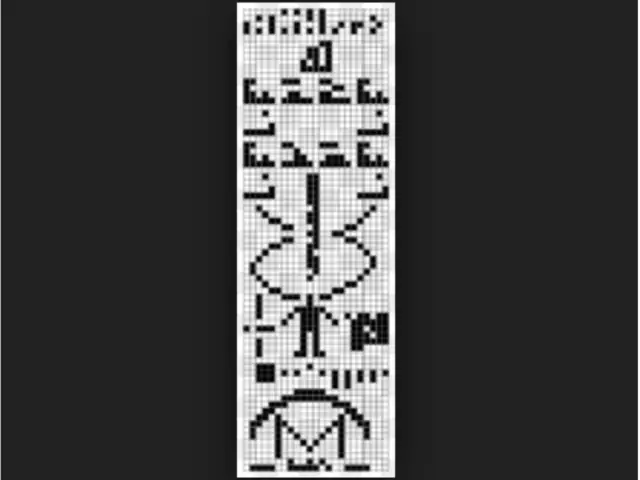
November 16 2018 marks 44 years since researchers sent humankind’s first interstellar radio message - an achievement Google is celebrating with a Google Doodle.
Throughout her career, Bernasconi identified several new genera and species and included a number of sea star families in the taxonomy. Some of these sea star families are Odontoceridae, Pterasteridae, Luidiidae, Ganeriidae, Gonisasteridae, Echinasteridae and Asterinidae.
Then, at 72, Bernasconi was requested to lead a research team on a mission to Antarctica in 1968. Along with her, three other female scientists also joined the trip. These scientists are marine biologist Elena Martinez Fontes, microbiologist Maria Adela Caria and botanist Carmen Pujals.
To mark the day, today’s region-limited Google Doodle celebrated Bernasconi’s work through her sculpted artwork showing her exploring and making notes on starfish on a seaside.
Who was Irene Bernasconi?
Born in La Plata, Argentina, on September 29, 1896, Bernasconi started her career as a teacher, specialising in biological studies, and later, she joined the Argentine Museum of Natural Sciences.Irene Bernasconi became the first echinoderm specialist in Argentina, who also published her scientific works on mollusks and marine invertebrates in 1925. However, she primarily focused on the research on sea stars.

Throughout her career, Bernasconi identified several new genera and species and included a number of sea star families in the taxonomy. Some of these sea star families are Odontoceridae, Pterasteridae, Luidiidae, Ganeriidae, Gonisasteridae, Echinasteridae and Asterinidae.
ADVERTISEMENT
Then, at 72, Bernasconi was requested to lead a research team on a mission to Antarctica in 1968. Along with her, three other female scientists also joined the trip. These scientists are marine biologist Elena Martinez Fontes, microbiologist Maria Adela Caria and botanist Carmen Pujals.
FAQs:
- When did Irene Bernasconi die?
After spending a prolific career for more than 50 years, Irene Bernasconi died in Buenos Aires, Argentina, on July 07, 1989. - Where is today’s Google Doodle on Irene Bernasconi shown?
Today’s Google Doodle on Irene Bernasconi is shown in several regions, including Argentina, Central America, the UK and more.
Download
The Economic Times Business News App for the Latest News in Business, Sensex, Stock Market Updates & More.
The Economic Times Business News App for the Latest News in Business, Sensex, Stock Market Updates & More.
Download
The Economic Times News App for Quarterly Results, Latest News in ITR, Business, Share Market, Live Sensex News & More.
The Economic Times News App for Quarterly Results, Latest News in ITR, Business, Share Market, Live Sensex News & More.
ADVERTISEMENT


