Glaciers are losing their ancient secrets at alarming rate. Check causes, environmental losses
Archaeologists are having difficulty keeping up with the rate at which artefacts are being uncovered worldwide as a result of melting glaciers.
By ET Spotlight Special |

Agencies
It must have appeared to the old humans who went up the heights that its snow-covered mass of ice would forever hold the valley bound in its frozen grip. Whatever was unnoticed on such rocks—leather shoes, iron spears, and crude straps—was swallowed by the ice and never seen again.
However, when Romain Andenmatten, a Swiss archaeologist, came on a nearby September day, the earth was so muddy and damp that his shoes sank deep into it. A leather strap edged with sparkling ice crystals and loaded with tiny pebbles lay on the ground in front of him.
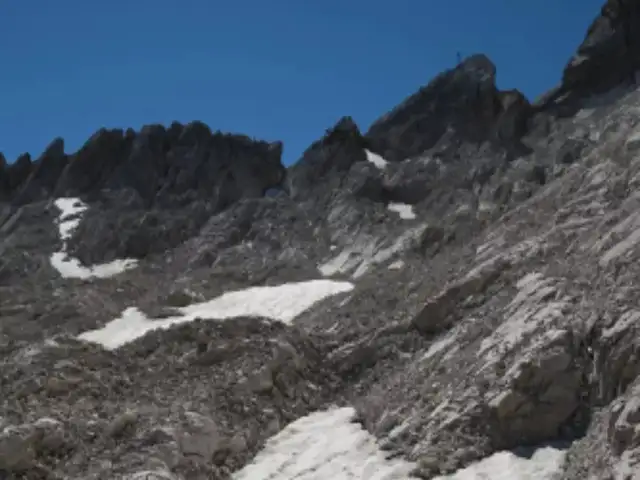
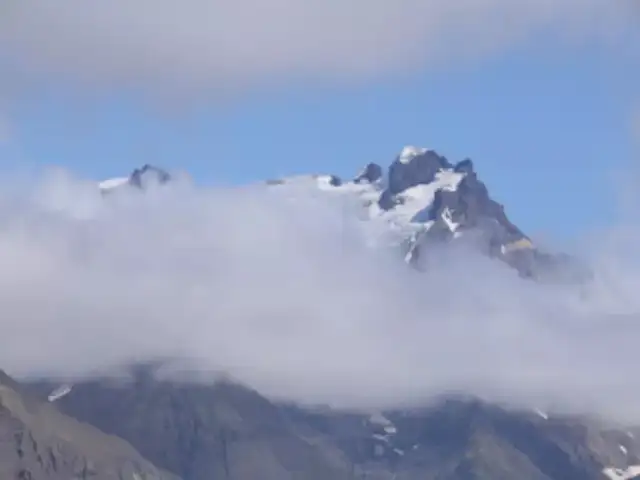
As climate change melts glaciers at unprecedented rates, such old artefacts are surfacing from the world's dwindling layers of ice. This is both a once-in-a-lifetime opportunity and a difficult responsibility for archaeologists since the planet's increasing warming is exposing artefacts quicker than they can be conserved.
Many of the artefacts that emerge from the ice after decades or millennia appear to have been frozen only hours before.
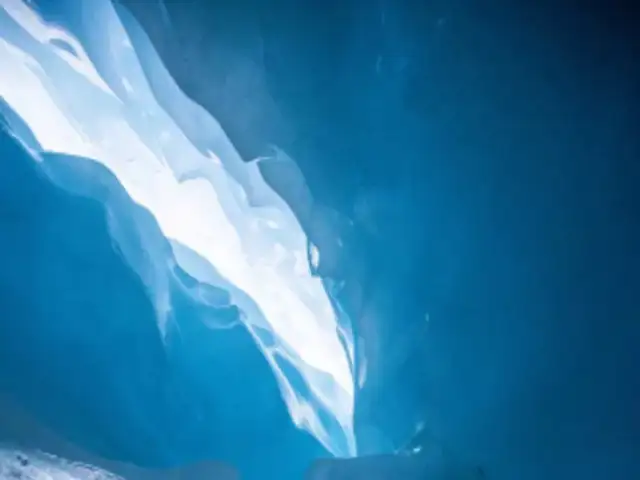
Researchers in Europe recently cultivated plants from seeds discovered frozen in time in a First World War bunker on the Swiss-Italian border.
However, when Romain Andenmatten, a Swiss archaeologist, came on a nearby September day, the earth was so muddy and damp that his shoes sank deep into it. A leather strap edged with sparkling ice crystals and loaded with tiny pebbles lay on the ground in front of him.
As climate change melts glaciers at unprecedented rates, such old artefacts are surfacing from the world's dwindling layers of ice. This is both a once-in-a-lifetime opportunity and a difficult responsibility for archaeologists since the planet's increasing warming is exposing artefacts quicker than they can be conserved.
Many of the artefacts that emerge from the ice after decades or millennia appear to have been frozen only hours before.

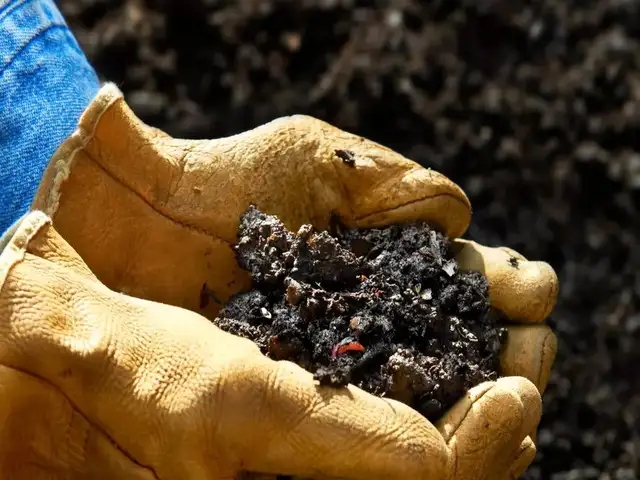
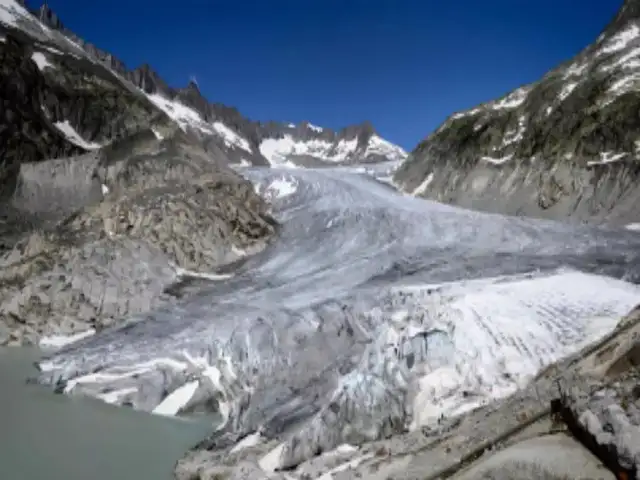

Researchers in Europe recently cultivated plants from seeds discovered frozen in time in a First World War bunker on the Swiss-Italian border.
ADVERTISEMENT
When an object emerges from the ice, there is a race to save it before it decomposes. Reportedly, the mountains are beginning to shift.FAQs:
- What is a glacier?
A slowly flowing ice sheet or river created by snow accumulation and compaction on mountains or near the poles. - What causes glaciers to melt?
Greenhouse gas emissions have elevated temperatures since the industrial revolution, even more in the poles, and so glaciers are fast melting, calving off into the sea, and retreating on land.
Download
The Economic Times Business News App for the Latest News in Business, Sensex, Stock Market Updates & More.
The Economic Times Business News App for the Latest News in Business, Sensex, Stock Market Updates & More.
Download
The Economic Times News App for Quarterly Results, Latest News in ITR, Business, Share Market, Live Sensex News & More.
The Economic Times News App for Quarterly Results, Latest News in ITR, Business, Share Market, Live Sensex News & More.
Related Articles
 Environmental loss in Sundarbans worth Rs 1290 crore: World Bank
ADVERTISEMENT


