Britain's historic satellite launch ends in failure due to 'anomaly'
The UK's groundbreaking attempt to launch satellites from its own soil reached space late last night, but it 'fell short of reaching its target orbit.' Continue reading for all details.
By ET Spotlight Special | Updated:

Agencies
UK's Virgin Orbit was launched from Cornwall Airport on Monday night and there were over hundreds of people watching the event and around 75,000 viewing a live stream. Virgin's LauncherOne rocket carried under the wing of a repurposed Boeing 747 dubbed 'Cosmic Girl', after Rolling Stones’ 1981 hit.
On Tuesday, UK's bid to become the first EU nation to launch satellites into space unfortunately ended in complete failure after scientists reported an 'anomaly' as the cause that prevented it from reaching orbit.
Virgin Orbit's Twitter account writes, 'The historic first attempt to launch satellites from British soil reached space late last night, but ultimately fell short of reaching its target orbit.'
Virgin Orbit's statement says, 'at some point during the firing of the rocket’s second stage engine and with the rocket travelling at a speed of more than 11,000 miles/hr, it experienced an anomaly, following which the mission ended prematurely.'
It further adds, 'Though the mission did not achieve its final orbit, by reaching space and achieving numerous significant first-time achievements, it represents an important step forward.'
Dan Hart, Virgin Orbit CEO commented that they will work tirelessly to understand the 'nature of failure' and that they will also make 'corrective actions and return to orbit after a complete probe'.
Ahead of the launch, the UK's National Space Centre website stated that under Start Me Up: The UK’s first orbital launch mission - 'The historic spaceflight at Spaceport Cornwall, launching UK satellites into orbit from UK soil for the first time.'
The Virgin Orbit plane was deployed over the Atlantic Ocean and it flew to 35,000ft. The mission was planned to send small satellites into lower Earth orbit (LEO).
A repurposed Virgin Atlantic Boeing 747 aircraft carried Virgin Orbit's LauncherOne rocket during the mission. Reportedly, authorities hoped to launch the mission before Christmas, but due to regulatory and technical factors, the launch was deferred to 2023.
On Tuesday, UK's bid to become the first EU nation to launch satellites into space unfortunately ended in complete failure after scientists reported an 'anomaly' as the cause that prevented it from reaching orbit.
Virgin Orbit's Twitter account writes, 'The historic first attempt to launch satellites from British soil reached space late last night, but ultimately fell short of reaching its target orbit.'
Read more here: https://t.co/9l1h82OsXY pic.twitter.com/RvBjMu9a5R
— Virgin Orbit (@VirginOrbit) January 10, 2023
Virgin Orbit's statement says, 'at some point during the firing of the rocket’s second stage engine and with the rocket travelling at a speed of more than 11,000 miles/hr, it experienced an anomaly, following which the mission ended prematurely.'
It further adds, 'Though the mission did not achieve its final orbit, by reaching space and achieving numerous significant first-time achievements, it represents an important step forward.'
ADVERTISEMENT
Dan Hart, Virgin Orbit CEO commented that they will work tirelessly to understand the 'nature of failure' and that they will also make 'corrective actions and return to orbit after a complete probe'.
Ahead of the launch, the UK's National Space Centre website stated that under Start Me Up: The UK’s first orbital launch mission - 'The historic spaceflight at Spaceport Cornwall, launching UK satellites into orbit from UK soil for the first time.'
The Virgin Orbit plane was deployed over the Atlantic Ocean and it flew to 35,000ft. The mission was planned to send small satellites into lower Earth orbit (LEO).
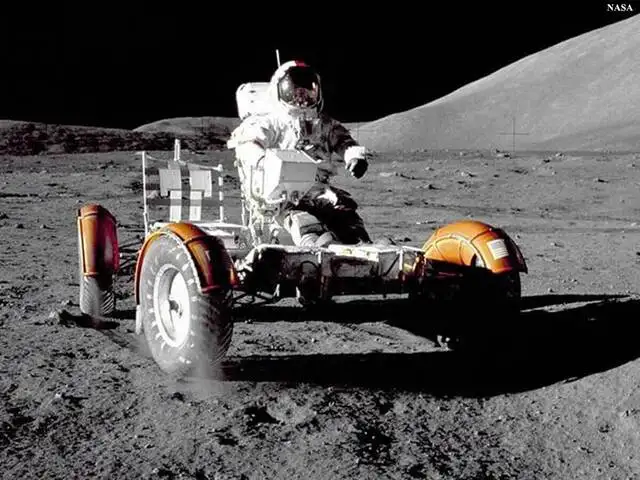
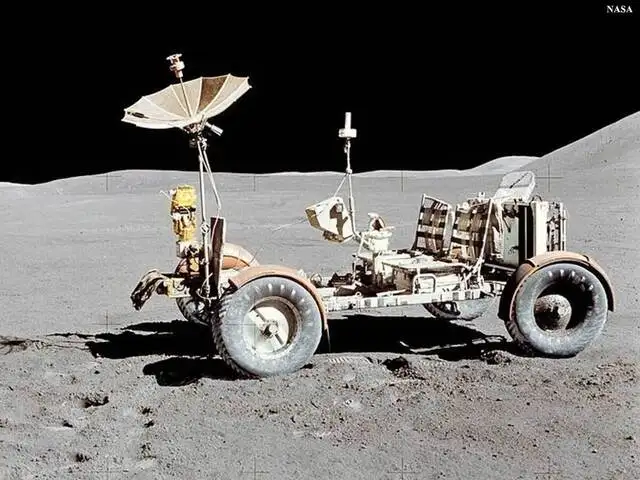
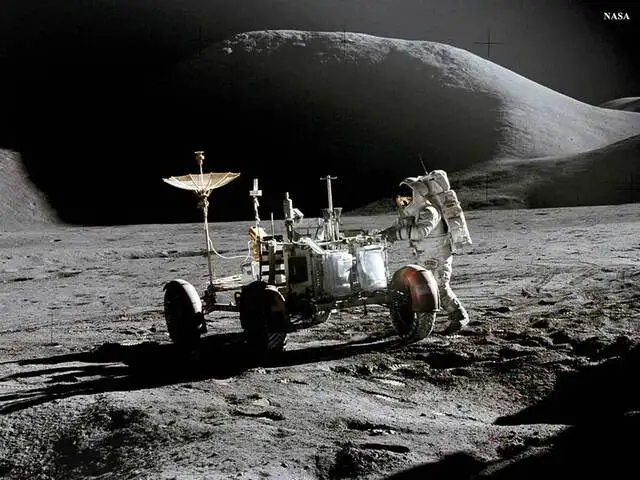
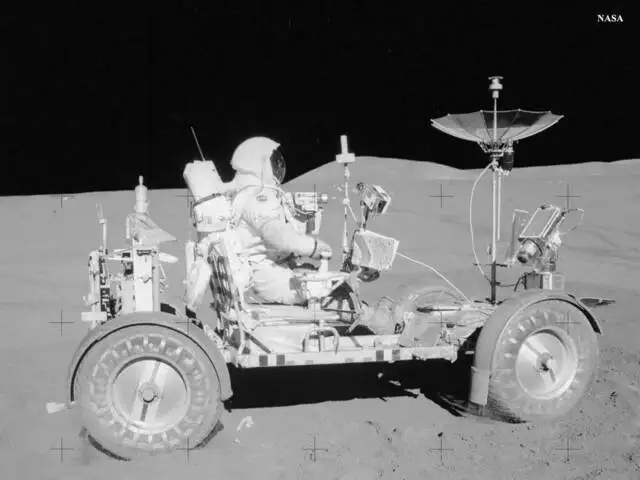
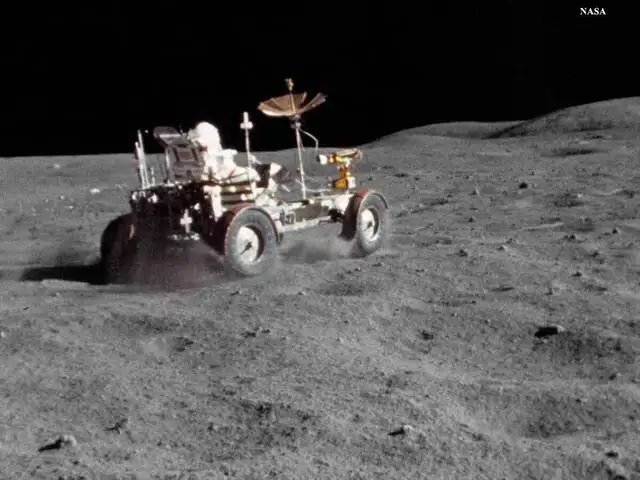
According to an NYT report, David R. Scott was not about to pass by an interesting rock without stopping. It was July 31, 1971, and he and James B. Irwin, his fellow Apollo 15 astronaut, were the first people to drive on the moon.

ADVERTISEMENT
A repurposed Virgin Atlantic Boeing 747 aircraft carried Virgin Orbit's LauncherOne rocket during the mission. Reportedly, authorities hoped to launch the mission before Christmas, but due to regulatory and technical factors, the launch was deferred to 2023.
ADVERTISEMENT
FAQs:
- What happened at the Virgin Orbit launch?
UK's historic first attempt to launch satellites from British soil reached space late last night but ultimately fell short of reaching its target orbit. - Why was UK's first orbital launch failed?
Scientists report 'Anomaly' as the cause of failure.
Download
The Economic Times Business News App for the Latest News in Business, Sensex, Stock Market Updates & More.
The Economic Times Business News App for the Latest News in Business, Sensex, Stock Market Updates & More.
Download
The Economic Times News App for Quarterly Results, Latest News in ITR, Business, Share Market, Live Sensex News & More.
The Economic Times News App for Quarterly Results, Latest News in ITR, Business, Share Market, Live Sensex News & More.
ADVERTISEMENT


