BBC show 'Ghostwatch' gave children PTSD. Details here
"Ghostwatch", a BBC mockumentary, was so scary that it attracted over 30,000 complaints of PTSD in children, inducing labour, deaths, and suicides. It was banned for ten years after the complaints. The show was released in 1992 and has never been ...
By ET Spotlight Special |

Agencies
Michael Parkinson appeared in a BBC show that was so horrifying and realistic that it traumatised the country, left children with post-traumatic stress disorder (PTSD), and made pregnant women go into labour. The Mockumentary "Ghostwatch", released on Halloween night in 1992, has never been shown again on UK television.
A massive audience of 31 million people watched the program. A national frenzy followed, with its aftereffects still being felt three decades later.
Ghostwatch made viewers believe it was a live paranormal investigation with its acting, unsteady cameras, and meticulously plotted storyline. Viewers believed it to be true, even though it was advertised as a drama and included author's credits at the beginning.
More than 30,000 people complained to the BBC, including one woman who said it caused her to go into labour. The programme was prohibited for ten years by the broadcaster.
Ghostwatch director Lesley Manning previously revealed that a woman had begged for money to replace her husband's dirty pants after he soiled them while watching the show.
Additionally, the show was held accountable for several kids' cases of post-traumatic stress disorder (PTSD). The parents of an 18-year-old with learning disabilities also attributed his demise to the program.
Martin Denham, a factory worker, committed suicide a few days after the show aired, and his family accused the show of it.
A massive audience of 31 million people watched the program. A national frenzy followed, with its aftereffects still being felt three decades later.
Ghostwatch made viewers believe it was a live paranormal investigation with its acting, unsteady cameras, and meticulously plotted storyline. Viewers believed it to be true, even though it was advertised as a drama and included author's credits at the beginning.
More than 30,000 people complained to the BBC, including one woman who said it caused her to go into labour. The programme was prohibited for ten years by the broadcaster.
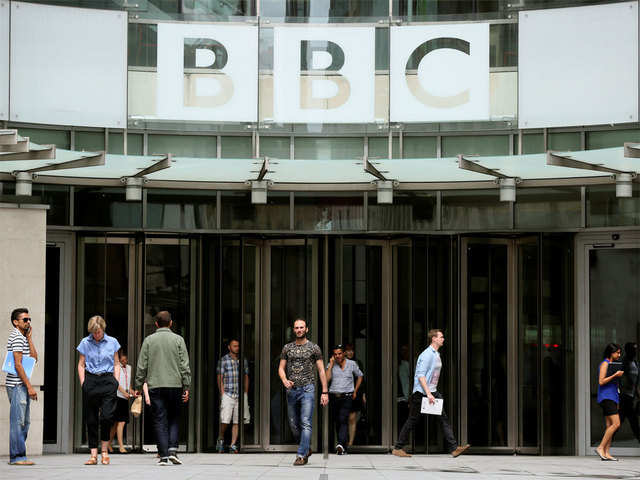
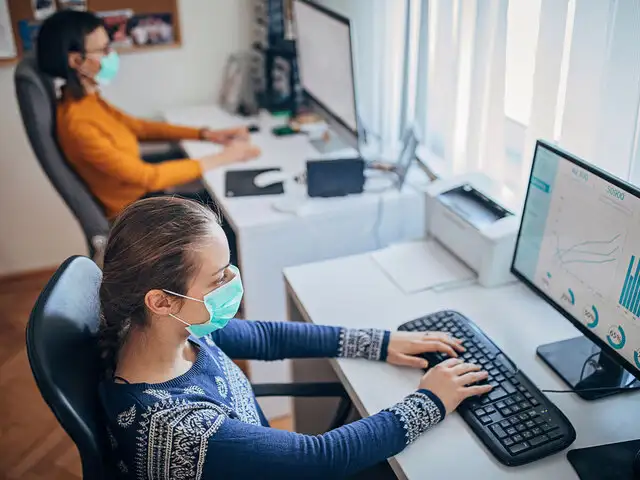
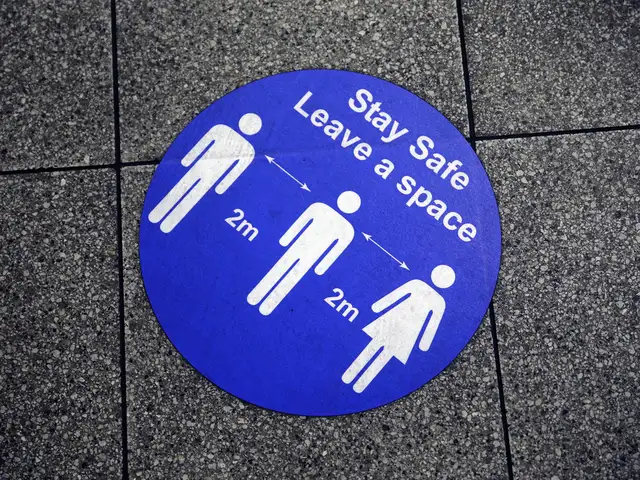
British Broadcasting Corp. staff will wear electronic devices to enforce social distancing in a sign of how workplaces are scurrying to contain a new, more-infectious variant of the coronavirus.


Ghostwatch director Lesley Manning previously revealed that a woman had begged for money to replace her husband's dirty pants after he soiled them while watching the show.
ADVERTISEMENT
Additionally, the show was held accountable for several kids' cases of post-traumatic stress disorder (PTSD). The parents of an 18-year-old with learning disabilities also attributed his demise to the program.
Martin Denham, a factory worker, committed suicide a few days after the show aired, and his family accused the show of it.
FAQs:
- When was Ghostwatch released?
The show was first aired in 1992. - Who was the actor in the show?
Michael Parkinson.
Download
The Economic Times Business News App for the Latest News in Business, Sensex, Stock Market Updates & More.
The Economic Times Business News App for the Latest News in Business, Sensex, Stock Market Updates & More.
Download
The Economic Times News App for Quarterly Results, Latest News in ITR, Business, Share Market, Live Sensex News & More.
The Economic Times News App for Quarterly Results, Latest News in ITR, Business, Share Market, Live Sensex News & More.
ADVERTISEMENT


