
Fatty Liver: Can milk thistle reverse liver damage? Here's what the study says about its benefits, risks and scientific evidence
1/6
Why milk thistle has become a popular herbal supplement
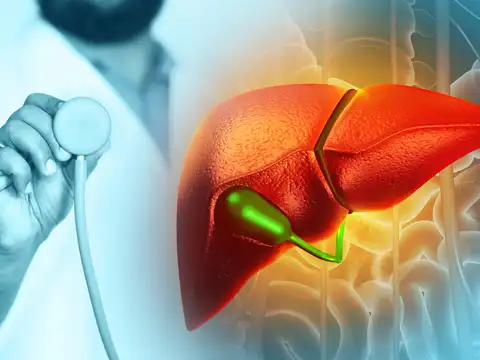
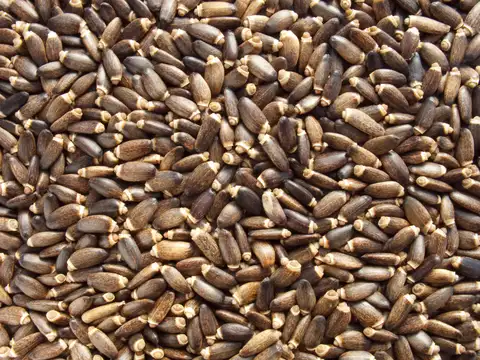
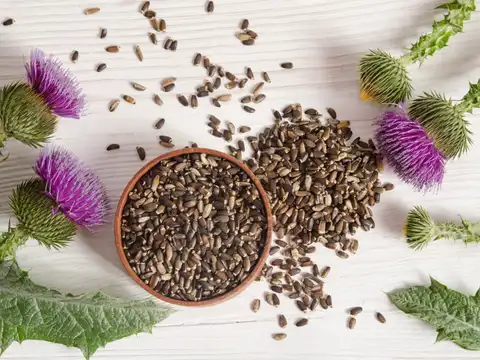
Milk thistle has long been used as a traditional herbal remedy for liver-related conditions, and it continues to attract interest among people looking to support liver health. According to information published by the National Institutes of Health (NIH), the herb, scientifically known as Silybum marianum, has been used for centuries to treat conditions such as fatty liver disease, hepatitis and cirrhosis. The medicinal properties primarily come from its ripe seeds, which contain silymarin, a mixture of plant compounds. Silybin, the most active component of silymarin, has been the focus of extensive scientific research because of its potential protective effects on the liver.

2/6
Can milk thistle help people with fatty liver disease?
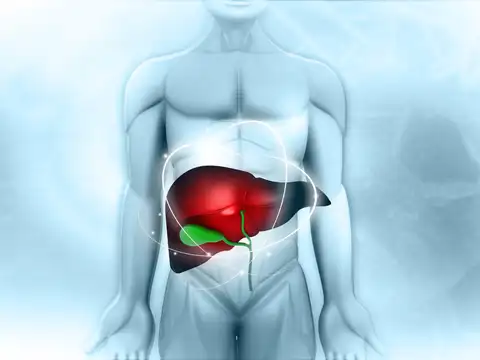
The NIH notes that researchers have explored milk thistle as a complementary therapy for non-alcoholic fatty liver disease (NAFLD), one of the most common liver disorders worldwide. While lifestyle changes such as maintaining a healthy weight, following a balanced diet and limiting alcohol intake remain the primary treatment, some studies suggest that silymarin may improve liver health. Research has linked its use with reduced insulin resistance, lower fasting insulin levels and improvements in liver enzyme levels in some patients. Certain studies have also reported better blood sugar control and healthier cholesterol and triglyceride levels, although experts say more high-quality clinical evidence is needed before firm conclusions can be drawn.
3/6
How milk thistle works inside the body
According to the NIH, milk thistle may protect the liver through three main actions: antioxidant, anti-inflammatory and antifibrotic effects. Silymarin is believed to help reduce inflammation by regulating substances that trigger inflammatory responses in the body. It may also protect liver cells from damage caused by free radicals generated during the metabolism of substances such as alcohol and certain medicines. In addition, researchers believe it may help slow the development of liver fibrosis by limiting collagen build-up, which can contribute to long-term liver damage.
Amazon Top Deals
POWERED BY
4/6
Other areas where researchers are studying milk thistle
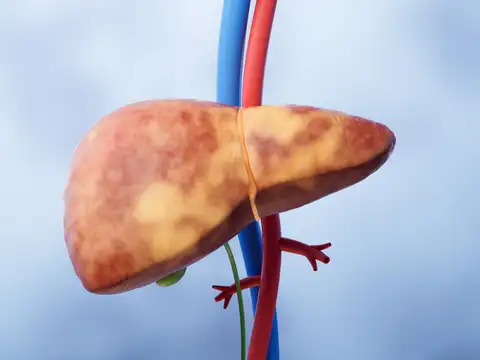
Scientists are also investigating whether milk thistle could have benefits beyond liver health. According to the NIH, early laboratory studies suggest that compounds found in milk thistle may interfere with the growth and survival of certain cancer cells and could potentially enhance the effects of chemotherapy. However, these findings have largely been observed in laboratory settings, and there is currently insufficient evidence to confirm similar benefits in people. In Europe, purified intravenous silibinin has been approved as an antidote for poisoning caused by the highly toxic Amanita phalloides mushroom, which can cause severe liver damage.
5/6
What the NIH says about regulation and safety
The NIH emphasises that milk thistle is sold in the United States as a dietary supplement, not as a medicine approved by the US Food and Drug Administration (FDA). As a result, these products are not subject to the same regulatory standards as prescription medicines. The FDA has not approved or recommended milk thistle as a treatment for any medical condition. Although it is widely available, experts advise that people should not rely on herbal supplements as a replacement for prescribed medical treatment and should consult a healthcare professional before using them, particularly if they have chronic illnesses or take other medicines.
6/6
What current evidence suggests
The NIH says milk thistle remains one of the most extensively studied herbal supplements for liver health, but the scientific evidence is still evolving. Some clinical studies have reported encouraging results in improving liver function and metabolic markers, while others have found limited or inconsistent benefits. Researchers continue to investigate its effectiveness, optimal dosage and long-term safety. Until stronger evidence becomes available, milk thistle is generally regarded as a complementary option rather than a proven treatment for liver disease.
Disclaimer: This article is for informational purposes only and not a substitute for professional medical advice. Always seek the advice of your doctor with any questions about a medical condition.
Disclaimer: This article is for informational purposes only and not a substitute for professional medical advice. Always seek the advice of your doctor with any questions about a medical condition.