
Cases of reinfection could mean no possible immunity from virus
1/5
No immunity
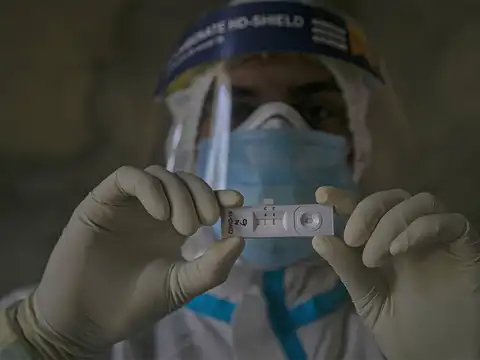
According to recent research, coronavirus patients may experience more severe symptoms when they are infected for the second time. The research confirms that it is possible to catch the virus more than once, which means being exposed to COVID-19 does not guarantee immunity.
2/5
Rare cases of reinfection
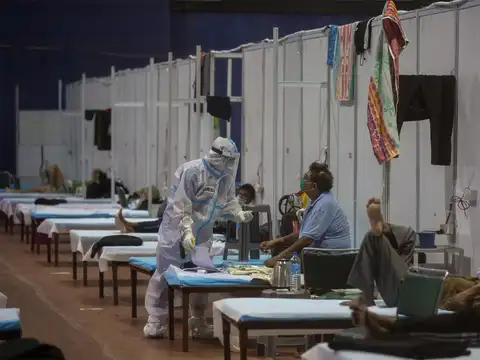
The research looks at a 25 year old man from the US who was infected by different variants of the virus withing 48 hours. The second time when he was infected was much severe and the patient required oxygen support.

3/5
Vaccine troubles
This recent study could change the way the world has been fighting the pandemic, especially the creation of a vaccine. Experts believe more research is needed to understand immunity and how long it lasts for those exposed to the coronavirus.
Amazon Top Deals
POWERED BY

Crompton Ozone 75 Litres Desert Air Cooler for home | Large & Easy Clean Ice Chamber | 4-Way Air Deflection | High Density Honeycomb Pads | Everlast Pump | Auto Fill| 3 Year Brand Warranty
₹9,798Buy Now43%
OFF

LG 32 L Convection Microwave Oven (MC3286BRUM, Black, 360° Motorised Rotisserie for Bar-be-queing, 301 Auto Cook Menu, Stainless steel cavity, Indian Cuisine, Tandoor Se, Steam Clean & Diet Fry)
₹19,340Buy Now19%
OFF
4/5
More research needed
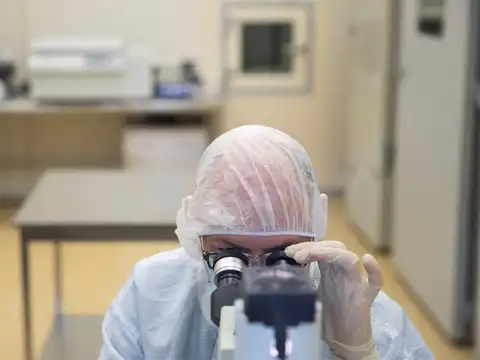
Since we still dont know how long coronavirus antibodies last, it is difficult to create a vaccine which will fight off any second wave of infection. Diseases like measles offer lifelong immunity once exposed, but for Covid, this seems to be fleeting.
5/5
Antibody Dependent Enhancement
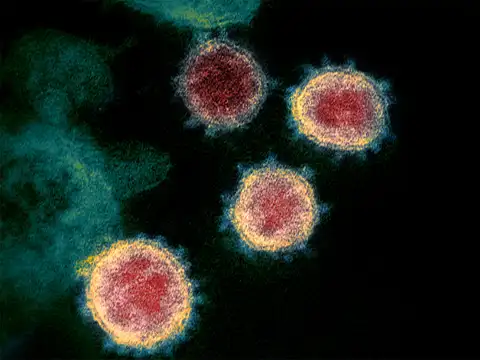
There could be another reason why being exposed to the virus for a second time calls for a more severe situation- it is a mechanism called antibody dependent enhancement- which makes subsequent infections worse. While reinfection with Covid remains rare, it still gives an opportunity to the science community to study the immune system better. There are still roadblocks, since many cases are asymptomatic and it is hard to know if someone has been infected for the first or second time.