
Your kid’s “healthy” breakfast? Might need a rethink
1/7
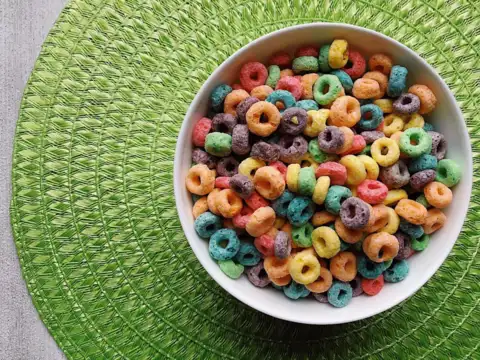
What changed in cereal aisles
New kid-focused cereals launched 2010–2023 trended toward higher sugar, sodium, and fat, while fiber and protein fell—moving away from balanced nutrition over time.[2][1]
2/7
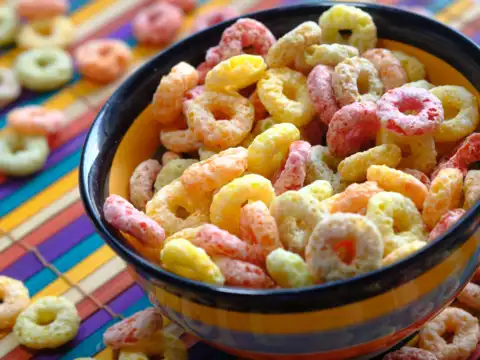
One bowl, big sugar load
A single serving can deliver nearly half of a child’s daily added‑sugar limit, before milk or seconds—amplifying mid‑morning crashes and cravings.[1][2]
3/7
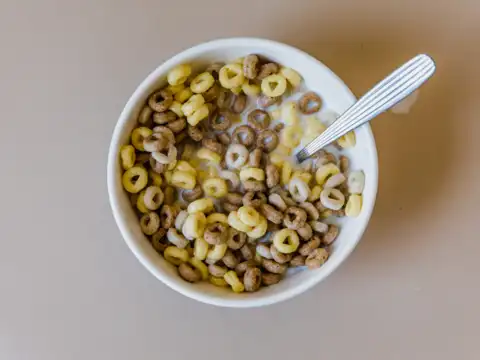
Marketing vs. nutrients
Boxes often tout “whole grain,” vitamins, or “natural” cues, yet the overall profile skews ultra‑processed; health halos can distract from the numbers that count.[1]
Amazon Top Deals
POWERED BY

4/7
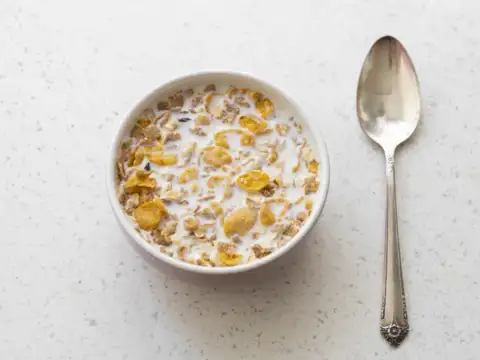
The label quick check
Aim for 100% whole grain as first ingredient, under 9 g added sugar per serving, meaningful fiber and protein, and avoid dyes and low‑cal sweeteners.[1]
5/7
If cereal stays on the table
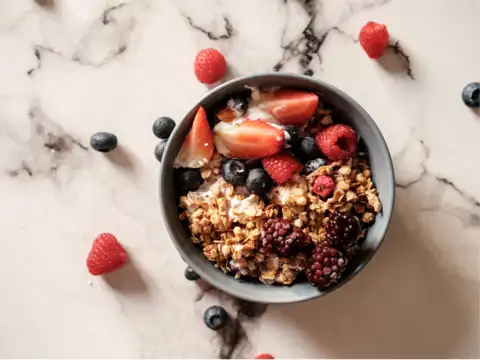
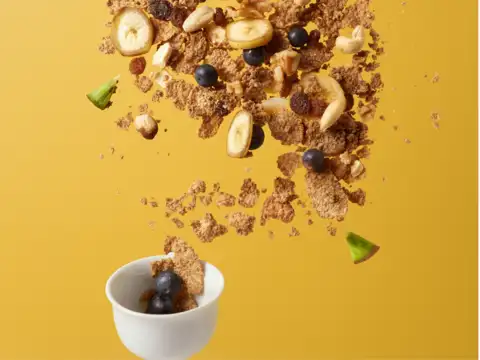
Mix a high‑sugar favorite 50/50 with a low‑sugar, higher‑fiber cereal; top with nuts or fruit; keep portions honest, and save “treat” cereals for occasional use.[2][1]
6/7
Easy non‑cereal swaps
Steel‑cut oats with fruit, eggs, plain yogurt with nut butter, whole‑grain toast with peanut butter, or prepped smoothies balance fiber, protein, and steady energy.[1]

7/7
Bigger picture
Ultra‑processed food intake links to higher mortality risk; breakfast is a daily lever—small swaps compound into better energy, mood, and metabolic health.[3]