
'You have hypertrophic cardiomyopathy...': Doctor warns how 30% don’t know they’re living with a fatal heart condition
1/5
A silent killer among the fit
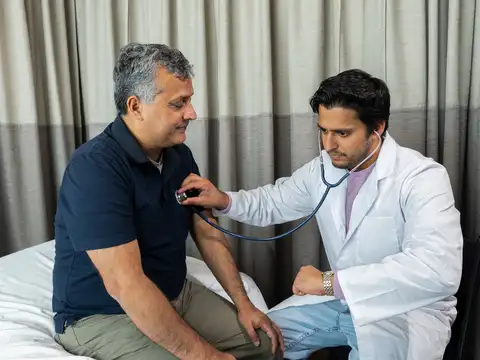
A leading cardiologist has raised concern over a hidden heart condition called hypertrophic cardiomyopathy (HCM), which can cause sudden cardiac death in young, healthy individuals, often as the first and only symptom. Affecting about one in every 500 people worldwide, the condition remains dangerously underdiagnosed, especially in India, where routine heart screenings rarely detect it early.
2/5
When fitness hides a fatal risk
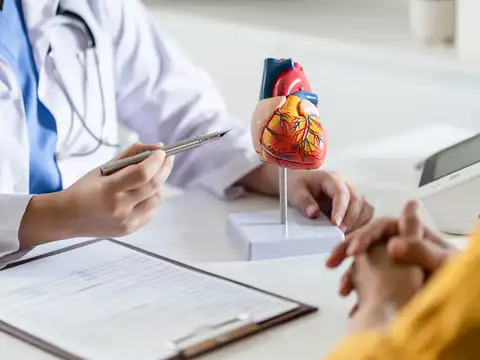
Dr Shailesh Singh, an interventional cardiologist, shared on X (formerly Twitter) how even the fittest individuals may unknowingly carry this silent threat. “You hit the gym six days a week, no chest pain, no dizziness, resting heart rate 52. But your ventricular septum is 18mm thick, normal is under 12mm. You have hypertrophic cardiomyopathy,” he wrote, explaining how families often mistake sudden deaths in young members as “freak accidents”.

3/5
Why routine tests fail to catch it
What makes HCM so dangerous is how easily it escapes detection. Physical exams, blood pressure readings, and even ECGs can appear perfectly normal, with ECGs identifying the condition in only 50–70% of cases. The most reliable test, a cardiac MRI, is expensive and impractical for mass screening, creating a serious diagnostic gap that allows the disease to remain undetected until it’s too late.
Amazon Top Deals
POWERED BY

Crompton Ozone 75 Litres Desert Air Cooler for home | Large & Easy Clean Ice Chamber | 4-Way Air Deflection | High Density Honeycomb Pads | Everlast Pump | Auto Fill| 3 Year Brand Warranty
₹9,798Buy Now43%
OFF

LG 32 L Convection Microwave Oven (MC3286BRUM, Black, 360° Motorised Rotisserie for Bar-be-queing, 301 Auto Cook Menu, Stainless steel cavity, Indian Cuisine, Tandoor Se, Steam Clean & Diet Fry)
₹18,780Buy Now22%
OFF
4/5
Early signs that shouldn’t be ignored
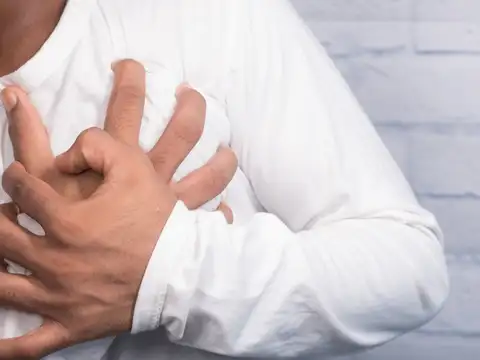
Dr Singh advises people to be alert to warning signs like chest tightness, palpitations after workouts, fainting, or shortness of breath during exercise. These are not signs of exertion but potential indicators of heart rhythm instability. He also stresses the importance of knowing one’s family history, especially if relatives under 50 have died suddenly, and getting evaluated through ECG, echocardiogram, or cardiac MRI before engaging in intense physical activity.

5/5
Awareness is the real lifesaver
Hypertrophic cardiomyopathy is treatable when detected early, and most patients can live long, healthy lives with proper care. The real tragedy lies not in the condition itself but in its invisibility. As Dr Singh aptly concludes, “Know your family history. Know your heart. The conditions that kill young athletes stay silent, until they don’t.”