
Yoga or Pilates; which is better for weight loss?

1/8
How Yoga could help in weight-loss
Yoga focuses on fostering a strong mind-body connection through breathing techniques, stress management, and gentle calorie expenditure. Pilates, in contrast, emphasizes core engagement, muscle toning, and controlled, precise movements that often deliver more noticeable physical conditioning and functional strength gains. Understanding these distinctions can help you choose the practice that best complements your fitness objectives, daily routine, and long-term wellness goals.

2/8
Yoga aids in the mind-body connection
Yoga focuses on connecting the mind, body, and spirit through postures, breathing techniques, and meditation, supporting a holistic approach to health. Helps burn calories: Dynamic styles such as Power Yoga and Vinyasa involve continuous movement, raising the heart rate and contributing to calorie expenditure. Regular practice engages multiple muscle groups, improving muscle tone, flexibility, and physical endurance.

3/8
Yoga boosts metabolism and helps lower stress and cortisol levels
Increased muscle strength can enhance resting metabolic rate, allowing the body to burn more calories throughout the day. Dynamic styles such as Power Yoga and Vinyasa involve continuous movement, raising the heart rate and contributing to calorie expenditure.This may reduce abdominal fat accumulation and emotional eating and encourages mindful habits. Greater body awareness and mindfulness can support healthier food choices and long-term weight management.
Amazon Top Deals
POWERED BY


4/8
Limitations of Yoga (Slower weight-loss results)

5/8
Pilates for Weight loss
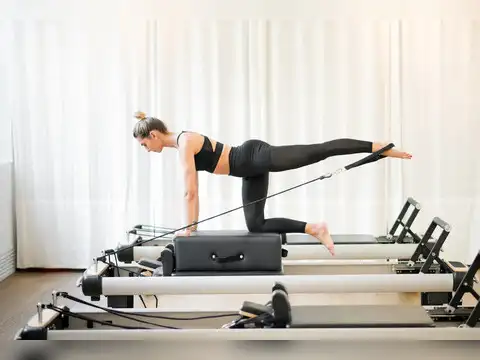
Pilates is particularly effective for those seeking to tone their bodies, lose weight, and strengthen their core. Its structured, full-body exercises engage multiple muscle groups, promoting fat loss, improving muscle definition, and enhancing posture and overall stability.
6/8
Calorie burn and muscle activation
A 50-minute Pilates workout can burn around 175 calories. Focusing on precise and controlled movements, Pilates targets deep core muscles while helping to tone and strengthen the arms, legs, and glutes.

7/8
Appetite control through hormonal balance
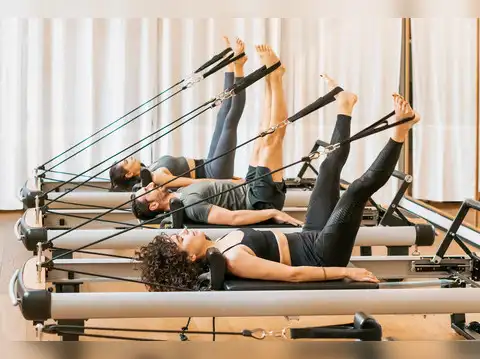
Pilates may help regulate leptin, a hormone that signals feelings of fullness to the brain. By supporting the body's natural appetite-control mechanisms, it can help reduce cravings, discourage overeating, and promote healthier portion sizes. Over time, these benefits may contribute to better eating habits and support long-term weight management goals.
8/8
Limitations of Pilates
While Pilates can support weight loss by building muscle, improving body composition, and increasing calorie expenditure, it may not deliver rapid results on its own compared to high-intensity cardio exercises such as running or cycling. Its weight-loss benefits are most noticeable when combined with a balanced diet and a well-rounded fitness routine that includes cardiovascular training and strength work. Incorporating Pilates alongside other healthy lifestyle habits can enhance overall fitness, promote sustainable fat loss, and support long-term weight management.