
Worried of hypertension?: Here are 6 effective natural ways of controlling blood pressure

1/6
Reduce sodium and processed foods in your diet
Excess sodium is one of the leading contributors to high blood pressure. Processed and packaged foods, like chips, canned soups, and frozen meals, are loaded with hidden salt that raises blood volume and strains arteries. By cutting sodium intake to under 1,500 mg daily, you can significantly lower hypertension risk. Cooking at home using fresh ingredients allows better control over salt levels. Flavor your meals with herbs like basil, oregano, and garlic instead of salt for natural taste enhancement. Also, limit processed meats, pickles, and instant noodles, which retain excess water in the body, increasing pressure on the heart. Switching to potassium-rich foods like bananas, sweet potatoes, spinach, and lentils helps counter sodium’s effects by balancing fluid retention. Gradually reducing salt helps your taste buds adjust while giving your cardiovascular system a break. Adopting this habit can lead to noticeable improvements in blood pressure readings within weeks, especially when combined with a whole-food, plant-forward diet.

2/6
Regular physical activity and aerobic exercise
Consistent movement is a powerful natural remedy for high blood pressure. Aerobic exercises like brisk walking, cycling, swimming, or dancing strengthen the heart, enabling it to pump blood with less strain. At least 150 minutes of moderate exercise weekly, spread over most days, can drop systolic blood pressure by up to 8 mmHg. Even short 10-minute walking breaks throughout your day contribute to better circulation and vascular health. Strength training twice weekly also complements aerobic activity by improving overall metabolism and heart function. Exercise reduces stress hormones like cortisol and boosts nitric oxide production, which relaxes arteries and improves blood flow. Importantly, exercise doesn’t need to be intense, even gardening, yoga, or playing an outdoor sport counts. People with existing hypertension should start slowly, consulting a healthcare provider for personalized guidance. Over time, active habits help sustain healthy blood pressure naturally, often reducing or eliminating the need for medication.

3/6
Manage stress through mindfulness and breathing practices
Chronic stress keeps your body in “fight-or-flight” mode, triggering hormones that constrict blood vessels and elevate heart rate, pushing blood pressure up. Practicing mindfulness techniques, like meditation, deep breathing, and progressive muscle relaxation, can reverse this effect by activating the parasympathetic nervous system. Daily mindfulness sessions, even as brief as 10 minutes, lower stress hormones and help stabilize blood pressure. Breathing exercises like “4-7-8 breathing” or alternate nostril breathing (Nadi Shodhana) are particularly effective, reducing heart rate and calming the nervous system. Yoga and tai chi also combine physical movement with breath control, offering dual benefits for relaxation and vascular health. Avoiding excessive caffeine, getting enough sleep, and managing work-life balance further minimize stress-induced hypertension. Over time, regular stress management reduces not only blood pressure but also overall cardiovascular risk, making it a crucial, sustainable strategy for long-term health.
Amazon Top Deals
POWERED BY

Crompton Ozone 75 Litres Desert Air Cooler for home | Large & Easy Clean Ice Chamber | 4-Way Air Deflection | High Density Honeycomb Pads | Everlast Pump | Auto Fill| 3 Year Brand Warranty
₹9,999Buy Now42%
OFF

LG 32 L Convection Microwave Oven (MC3286BRUM, Black, 360° Motorised Rotisserie for Bar-be-queing, 301 Auto Cook Menu, Stainless steel cavity, Indian Cuisine, Tandoor Se, Steam Clean & Diet Fry)
₹19,090Buy Now20%
OFF

4/6
Maintain a healthy weight and waistline
Excess body weight, especially around the waist, significantly increases the strain on your heart and blood vessels. Every extra kilogram adds pressure to your circulatory system, raising blood pressure. Losing even 5-10% of your body weight can lead to meaningful reductions in systolic and diastolic levels. Abdominal fat is particularly dangerous because it releases inflammatory substances that stiffen arteries. Focus on balanced nutrition, whole grains, lean proteins, healthy fats, and plenty of vegetables, while avoiding sugary drinks and refined carbs. Regular activity, mindful eating, and portion control accelerate fat loss while supporting metabolic health. For those with a sedentary lifestyle, standing breaks and daily walks can jumpstart improvements. Waist measurements above 40 inches for men and 35 inches for women indicate higher risk, so aim to stay below these markers. Sustainable weight management not only lowers blood pressure naturally but also reduces risks of diabetes, stroke, and heart disease.
5/6
Eat potassium- and magnesium-rich foods
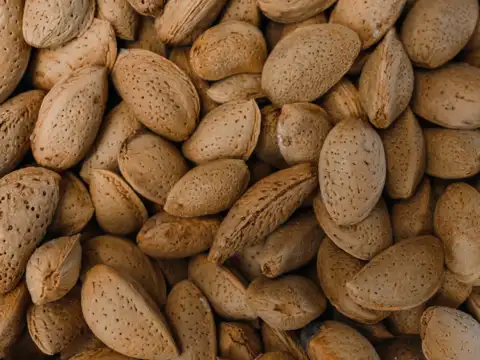
Potassium helps your body balance sodium levels, reducing fluid retention and easing blood vessel tension. Magnesium, on the other hand, supports vascular relaxation, lowering resistance in your circulatory system. Together, these minerals help naturally regulate blood pressure. Foods rich in potassium include bananas, avocados, beans, spinach, and yogurt, while magnesium is abundant in almonds, pumpkin seeds, dark chocolate, and leafy greens. Incorporating these into daily meals balances electrolytes and enhances heart function. Aim for whole, unprocessed sources rather than supplements unless recommended by a doctor. Combining these nutrients with a DASH (Dietary Approaches to Stop Hypertension) diet, emphasizing whole grains, lean proteins, and reduced sugar, further amplifies blood pressure control. Hydration also plays a role, as balanced mineral intake prevents water retention that worsens hypertension. Consistent dietary shifts can lead to lasting blood pressure improvements without heavy reliance on medications.

6/6
Limit alcohol and quit smoking
Both alcohol and tobacco have direct, damaging effects on your blood pressure and arterial health. Excess alcohol raises blood pressure by stimulating stress hormones, damaging vessel walls, and adding unnecessary calories that contribute to weight gain. Limiting alcohol to one drink per day for women and two for men helps mitigate this effect. Smoking, even occasionally, narrows arteries and stiffens blood vessels, causing immediate spikes in blood pressure. Over time, smoking accelerates arterial plaque buildup, dramatically increasing heart disease and stroke risk. Quitting smoking, combined with minimal alcohol consumption, improves circulation, oxygen supply, and overall cardiovascular resilience. Support tools like nicotine patches, counseling, and gradual reduction can aid smokers in quitting successfully. Together, cutting alcohol and quitting smoking deliver rapid and long-term benefits, often normalizing blood pressure levels and boosting overall longevity.