
Why Sawan is the most sacred month for lord shiva devotees

1/9
Why Sawan is the most sacred month for lord shiva devotees

2/9
What Is Sawan?
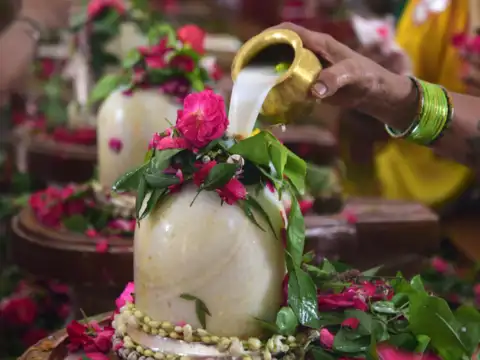
Sawan, or Shravan Maas, is the fifth month in the Hindu lunar calendar, usually falling in July–August. It marks the peak of monsoon and is entirely devoted to worshipping Lord Shiva. Each Monday, called Sawan Somvar, holds special significance for devotees.
3/9
Why Is It Celebrated?
According to legend, during the churning of the cosmic ocean (Samudra Manthan), Lord Shiva consumed the deadly poison to save the world. Sawan is observed in remembrance of this sacrifice, symbolising strength, compassion, and the power to absorb negativity.
Amazon Top Deals
POWERED BY

4/9
What Do People Do in Sawan?
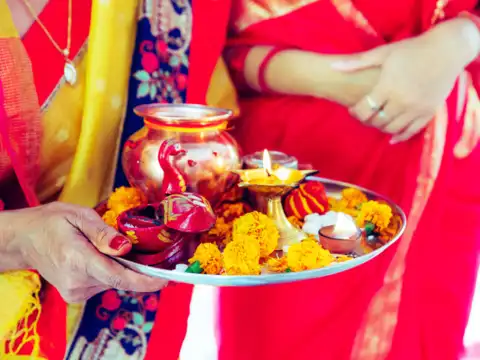
Devotees wake early, bathe, wear clean clothes, and visit temples. Offerings of bel patra, milk, honey, and water are made to Shiva. Fasting on Mondays, chanting mantras, and performing rudrabhishek are common practices to seek inner clarity and divine blessings.

5/9
The Power of Sawan Somvar Vrat
Fasting every Monday in Sawan is said to fulfil heartfelt desires. Unmarried women observe it for a good life partner, while others do it for prosperity, peace, or spiritual strength. The vrat is often observed with complete or partial fasting and sincere prayer.

6/9
Spiritual Benefits of Sawan
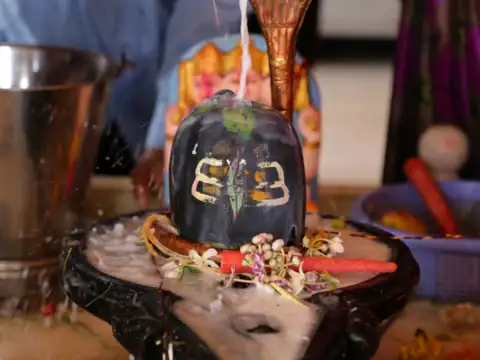
Sawan is believed to be a time when the spiritual atmosphere is naturally more charged. Chanting mantras like Om Namah Shivaya, meditating, or spending time in nature is considered more impactful. It’s a period for emotional cleansing and deeper self-awareness.
7/9
Foods Eaten During Sawan Fasting
Devotees avoid grains, onion, garlic, and regular salt. Instead, they eat fruits, milk, nuts, kuttu flour, samak rice, and rock salt. These light, sattvic foods help detoxify the body and keep the mind calm for prayer and meditation.

8/9
The Science Behind Sawan Rituals
Scientifically, monsoon slows digestion and lowers immunity. Fasting with light foods helps reset your digestive system, reducing toxin build-up. Limiting salt and fried foods also prevents water retention and infections—making traditional Sawan rituals surprisingly body-friendly.

9/9
A Time for Devotion and Detox
Sawan brings a rare blend of spiritual focus and physical healing. It teaches us to slow down, eat mindfully, reflect inward, and connect with a higher purpose—while also helping your body adapt to seasonal changes in a healthier way.