
Why Hindus wear tilak on their forehead: Tradition, symbolism, and the science behind it

1/7
What is a Tilak?
The Tilak is a sacred mark made on the forehead using kumkum, sandalwood paste, or sacred ash. It is worn during rituals, daily prayers, and temple visits, with different shapes and meanings based on region, deity, and occasion. This traditional practice continues to symbolise devotion and spiritual focus.

2/7
Spiritual Significance of the Tilak
The Tilak is placed on the Ajna Chakra, the energy centre between the eyebrows, known as the third eye. This chakra governs inner wisdom and intuition. Applying Tilak on this point is believed to activate spiritual insight and create a deeper connection with one’s inner self and divine goals.
3/7
Tilak as Devotion to the Divine
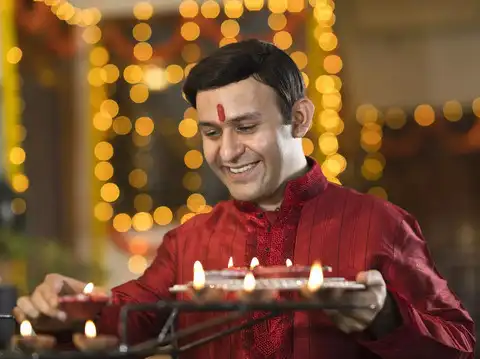
Applying a Tilak is a symbolic act of devotion to deities like Lord Shiva, Vishnu, or Durga. It is a visible mark of spiritual surrender, reverence, and commitment to the divine. Different sects use specific Tilaks to show their faith and connect deeply with their chosen deity.
Amazon Top Deals
POWERED BY


4/7
A Mark of Protection and Purity
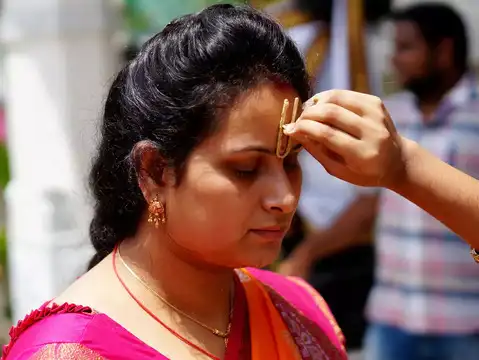
Traditionally, a Tilak is believed to act as a protective shield. Applied after cleansing and before puja, it purifies the person internally and is said to guard against negative energies, evil eyes, and disturbances, offering spiritual and emotional safety throughout the day.
5/7
Cooling and Calming Effects of Chandan Tilak
Tilaks made of sandalwood (Chandan) are not only spiritually potent but also physically beneficial. The cooling nature of Chandan soothes the forehead, reduces body heat, and promotes mental calmness, helping people focus during puja and stay grounded in emotionally charged situations.

6/7
Tilak in Warrior Tradition – A Symbol of Victory
In ancient times, warriors and kings applied a bold red Tilak before battles. This vertically drawn Tilak, often made with red sandalwood, symbolised strength, courage, and the blessing of victory. It was applied by priests using the thumb, signifying divine support and readiness.
7/7
Vaishnav and Shaivite Tilaks – Identity and Faith
Vaishnavas wear a U-shaped white Tilak with a red dot, signifying devotion to Vishnu. Shaivites wear the Tripundra—three horizontal ash lines with a red centre—symbolising Lord Shiva’s third eye and detachment from the material world. These Tilaks serve as a religious identity and spiritual alignment.