
Why giving your child a smartphone early is risky and the right age to start
1/6
The Silent Trade-Off
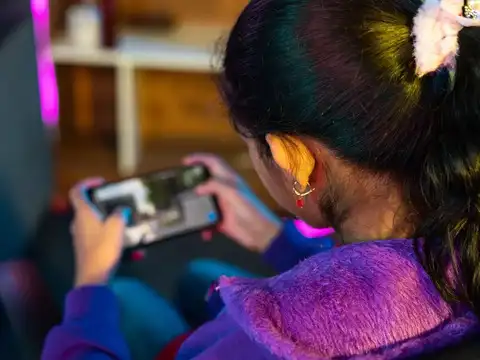
Your child gets instant access to the world. But science is now asking the uncomfortable question: at what cost? A landmark investigation of 10,500-plus kids shows smartphones aren't just entertainment tools at this age—they're quietly reshaping brains still learning to manage emotions, hunger, and rest. Here's what parents need to know.

2/6
The Study That Changed the Conversation
The US Adolescent Brain Cognitive Development Study tracked children aged 9 to 16 from 2016 to 2022. Researchers zeroed in on a pivotal finding: kids who own phones by age 12 show remarkably consistent health struggles compared to peers without them. The numbers compel attention, experts say.

3/6
Depression Risk Jumps 30 Percent
Twelve-year-olds with smartphones developed depression at a 30 percent higher rate than non-users. The culprit? Constant social comparison, cyberbullying lurking in messaging apps, and the gnawing sense of being excluded from group chats. Your feed becomes your reflection.
Amazon Top Deals
POWERED BY

Crompton Ozone 75 Litres Desert Air Cooler for home | Large & Easy Clean Ice Chamber | 4-Way Air Deflection | High Density Honeycomb Pads | Everlast Pump | Auto Fill| 3 Year Brand Warranty
₹9,798Buy Now43%
OFF

LG 32 L Convection Microwave Oven (MC3286BRUM, Black, 360° Motorised Rotisserie for Bar-be-queing, 301 Auto Cook Menu, Stainless steel cavity, Indian Cuisine, Tandoor Se, Steam Clean & Diet Fry)
₹19,090Buy Now20%
OFF

4/6
Weight Gain Accelerates
Forty percent higher obesity risk sounds alarming because it should. Kids cradle phones while snacking mindlessly, trading running around for scrolling. Extended screen time paired with sugary drinks creates a metabolic storm that lingers into adulthood, researchers warn.

5/6
Sleep Gets Stolen Away
Sixty percent higher rates of sleep problems plague early smartphone adopters. Blue light from screens interferes with melatonin production—the body's natural sleep trigger. Late-night notifications keep kids wired when they should be winding down, fragmenting restorative sleep.

6/6
Why Age 12 Is the Inflection Point
Twelve marks when the adolescent brain undergoes rapid rewiring. Emotional sensitivity peaks. Peer validation takes on outsized importance. At this developmental inflection point, the brain's reward circuits are hypersensitive to notifications, likes, and social feedback, making kids especially vulnerable. Each additional year before age 12 compounds risk by roughly 10 percent. A seven-year-old getting a phone faces steeper odds than a ten-year-old.
(Disclaimer: This story is strictly for educational purposes only and does not substitute any professional medical advice and should not be considered as professional medical advice.)
(Disclaimer: This story is strictly for educational purposes only and does not substitute any professional medical advice and should not be considered as professional medical advice.)
READ MORE:
At what age should kids get smartphones |smartphone effects on children's mental health |depression risk early phone use |childhood obesity and screen time |adolescent brain development smartphones |when to give child first phone |sleep disruption blue light children |cyberbullying social media depression |Adolescent Brain Cognitive Development Study |smartphone health risks children