
Why Eid-e-Milad 2025 is historic: History, origin and significance explained
1/6
What is Milad-un-Nabi?
Milad-un-Nabi, also Eid-e-Milad, marks the birth anniversary of Prophet Muhammad (PBUH). Celebrated on the 12th of Rabi‘ al-Awwal by Sunnis and the 17th by Shias, it’s a day of devotion, sermons, lights, and prayers.

2/6
A Journey Through History
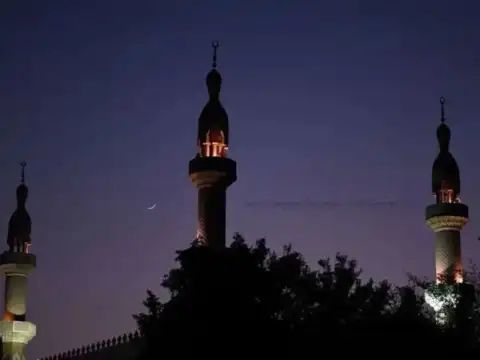
The tradition began under the Fatimid dynasty in Egypt and became widespread by the 12th century in Syria, Turkey, and Spain. The Ottomans later made it official. The term “Mawlid” literally means “birth.”
3/6
Significance of the Day
This observance honors Prophet Muhammad’s life, teachings, and compassion. Celebrations often include reciting the Quran, sermons, charity, poetry in praise (naats), and community prayers—embracing his message of mercy and unity.
Amazon Top Deals
POWERED BY

Crompton Ozone 75 Litres Desert Air Cooler for home | Large & Easy Clean Ice Chamber | 4-Way Air Deflection | High Density Honeycomb Pads | Everlast Pump | Auto Fill| 3 Year Brand Warranty
₹9,798Buy Now43%
OFF

LG 32 L Convection Microwave Oven (MC3286BRUM, Black, 360° Motorised Rotisserie for Bar-be-queing, 301 Auto Cook Menu, Stainless steel cavity, Indian Cuisine, Tandoor Se, Steam Clean & Diet Fry)
₹19,340Buy Now19%
OFF
4/6
When and How It's Celebrated
In 2025, Milad-un-Nabi falls on September 5, with observances beginning the evening of September 4. It’s a public holiday across many Indian states, with schools, banks, and offices closed.
5/6
Why 2025 Is Historic
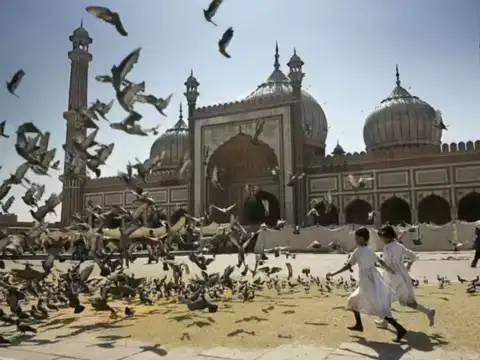
This year marks the 1,500th birth anniversary of the Prophet. Massive processions, lighting, gatherings, and messages of peace are central. Communities are urged to celebrate peacefully, with special prayers and citywide observances.
6/6
Spiritual Observances and Reflection
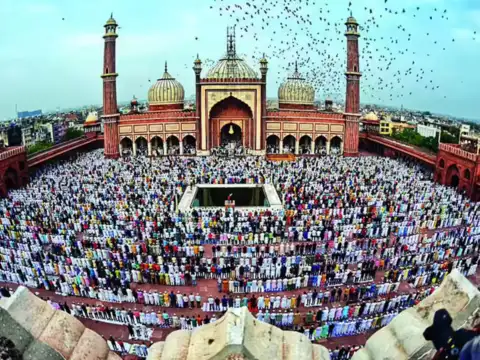
Milad is also a day for reflection: believers engage in sermons on the Prophet’s character, recite Qur’an, offer charity, and reflect on values like compassion, justice, and unity—making the day deeply spiritual, not just festive.