
Why do jeans have a tiny pocket inside the front pocket?
1/7
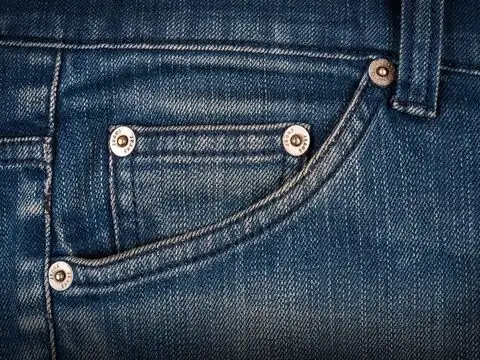
It Was Built For A Pocket Watch, Not Coins
The tiny pocket goes back to 1873 when Levi Strauss and Jacob Davis got their patent for riveted denim trousers. Miners, cowboys, and railroad workers wore pocket watches on chains back then. The small pocket kept the watch protected while they worked. Levi Strauss and Co. officially calls it the watch pocket to this day.
2/7
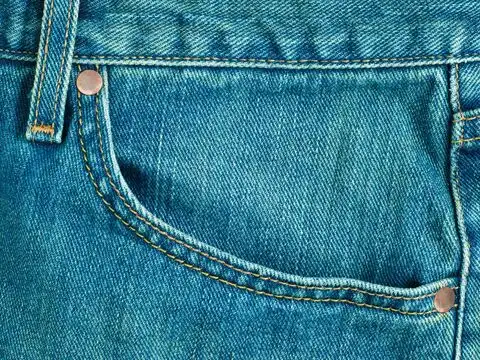
It Was Not Part Of The Original Design
Here is a detail most people get wrong. The small pocket as we know it today was not part of the blue jeans mass-produced by Levi Strauss until the 1890s, when the main buyers were carpenters, railroad workers, farmers, and miners. It came in slightly after the first patent, once pocket watches became common among working men.
3/7
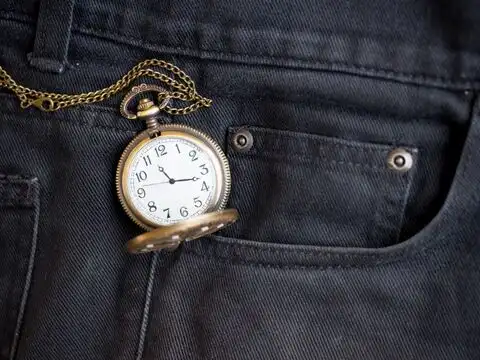
It Saved Metal During World War II
This is the part most people have never heard. During World War II, all the metal rivets that reinforced the watch pocket were removed from production to save valuable metal for armaments. A tiny jeans pocket became part of the war effort. The rivets came back after the war ended, but this moment is a genuine piece of history most wearers never know about.
Amazon Top Deals
POWERED BY

4/7
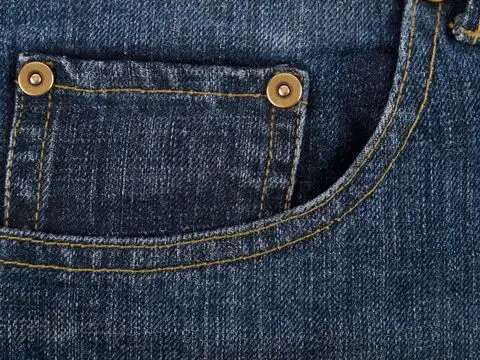
It Has Had Many Names Over The Years
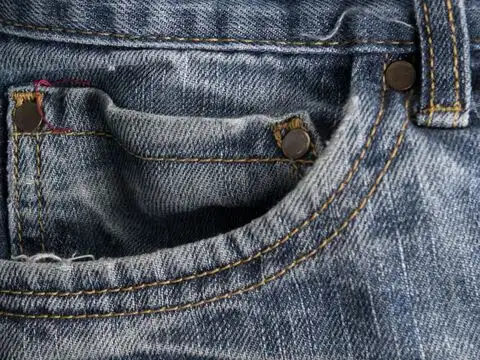
The pocket never stayed just a watch pocket. According to Levi Strauss, this extra pouch has served many functions over the decades, evident in its many titles including frontier pocket, condom pocket, coin pocket, match pocket, and ticket pocket. Each name tells you something about the era and what people actually needed to carry around quickly.
5/7
It Was Deeper In The Beginning
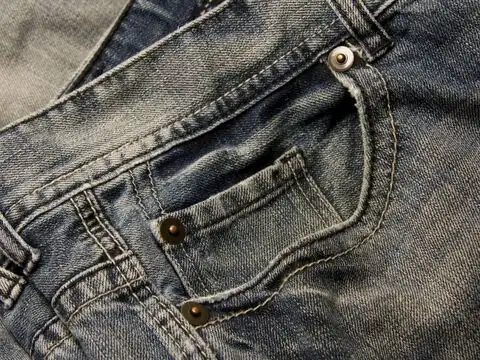
The pocket you see today is not exactly what workers had in the 1800s. Early versions were slightly larger to fit the bulkier pocket watches of that time. As wristwatches took over and the original purpose faded, the pocket quietly shrank in size across different brands and fits, though it never fully disappeared from denim design.
6/7
It Is The Reason Jeans Still Feel Like Jeans
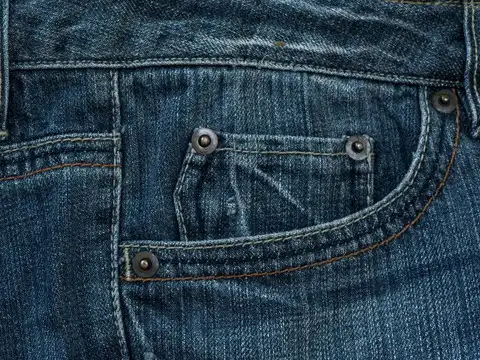
Removing this pocket would make jeans feel subtly wrong to most people, even if they cannot explain why. Design experts note that the fifth pocket preserves a design language that people instinctively recognise as real denim. Removing it shifts the proportions and makes the jeans feel unfamiliar or unfinished. It is a small detail doing quiet but important design work.
7/7
It Outlasted Every Single Fashion Trend
Skinny jeans, baggy fits, low-rise, high-waist, acid wash, jeggings. Every major denim trend came and went. The tiny pocket remains a feature of all kinds of jeans today, a vestige of a time when jeans were strictly workwear and suit jackets had their own inside pockets for watches. It is one of the most quietly stubborn design details in fashion history.