
Why do crash diets don't work? Nutritionist Pooja Makhija ANSWERS

1/8
The science of sustainable weight loss
Crash diets often sound tempting with their promise of quick results, but they can harm muscle, hormones, and long-term health. Nutritionist Pooja Makhija recently shared a post on social media breaking down why sustainable weight loss is the smarter choice. Her approach focuses on balance and steady progress.

2/8
The problem with crash diets
These diets might help you drop numbers on the scale, but they also reduce muscle mass and disrupt your body’s natural rhythm. Over time, this can make it harder to maintain weight loss. Sustainable methods avoid these pitfalls while protecting your overall health.

3/8
Start with your BMR
The first step is to understand your Basal Metabolic Rate (BMR), the calories your body needs just to function at rest. Knowing this number helps you avoid eating too little or too much. It’s the foundation of creating a personalized nutrition plan.
Amazon Top Deals
POWERED BY


4/8
Add your TEE
Next, factor in your Total Energy Expenditure (TEE), which combines your BMR with the calories you burn during daily activity. This step makes your calorie needs more accurate and realistic. It ensures you’re accounting for movement throughout the day.

5/8
Create a small deficit
Once you know your BMR and TEE, aim for a modest calorie deficit of 300-500 kcal daily. This ensures your body continues to get the nutrition it needs while still encouraging fat loss. It’s a realistic and safe way to begin losing weight.
6/8
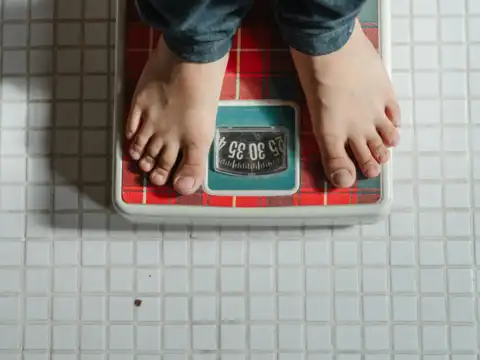
Steady weight loss
This small daily deficit can help you lose around 2-3 kg per month. While it may seem slower than crash diets, it’s more sustainable. Your body adjusts naturally, and you’re less likely to rebound after reaching your goal.

7/8
The danger of very low-calorie diets
Very Low-Calorie Diets (VLCDs) often restrict people to under 800-1200 kcal per day. Research shows they can lead to rapid muscle loss, poor energy levels, and long-term health issues. Such approaches can do more harm than good.

8/8
Conclusion
The key takeaway from Pooja Makhija’s recent post is that weight loss should be gradual, consistent, and safe. By focusing on your body’s needs and avoiding extreme diets, you protect your health while reaching your goals. Sustainable choices will always win over shortcuts.
- Disclaimer: The information provided in this content is for general awareness only and should not be considered a substitute for professional medical advice, diagnosis, or treatment. Always seek the guidance of a qualified healthcare provider or your own doctor with any questions you may have regarding a medical condition or health concerns. ET bears no responsibility for the accuracy, completeness, or outcomes arising from the use of this information.