
Whole fruits vs fruit juices: Which is the healthier option?

1/6
Fibre Content
Whole fruits are rich in dietary fibre, which aids digestion, regulates blood sugar, and keeps you full. Juices often remove most or all of the fibre during processing.

2/6
Satiety and Appetite Control
Eating a whole fruit makes you feel fuller longer due to chewing and fibre. Fruit juice, even if fresh, is digested quickly and can leave you hungry sooner.
3/6
Sugar Concentration
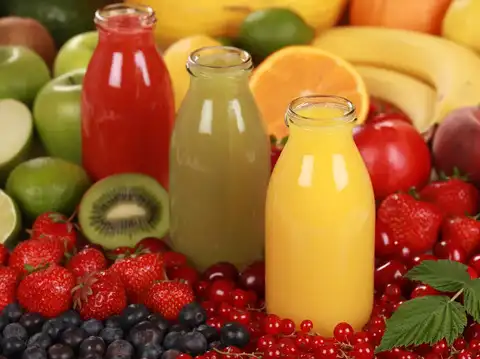
Juices often contain more sugar than whole fruits—sometimes from multiple fruits in one glass—causing a quick spike in blood sugar levels.
Amazon Top Deals
POWERED BY

Crompton Ozone 75 Litres Desert Air Cooler for home | Large & Easy Clean Ice Chamber | 4-Way Air Deflection | High Density Honeycomb Pads | Everlast Pump | Auto Fill| 3 Year Brand Warranty
₹9,798Buy Now43%
OFF

LG 32 L Convection Microwave Oven (MC3286BRUM, Black, 360° Motorised Rotisserie for Bar-be-queing, 301 Auto Cook Menu, Stainless steel cavity, Indian Cuisine, Tandoor Se, Steam Clean & Diet Fry)
₹19,340Buy Now19%
OFF

4/6
Calorie Density
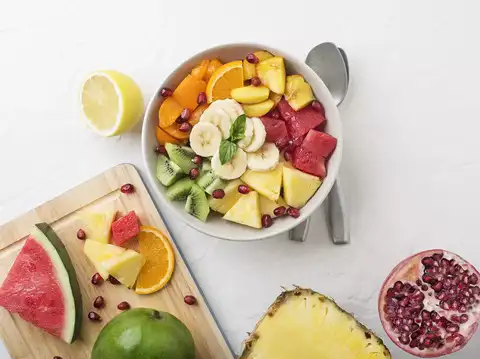
A single glass of juice may have the calories of 2–3 fruits without the satiety. Whole fruits offer fewer calories per bite and help prevent overeating.
5/6
Nutrient Retention
Whole fruits retain more vitamins and antioxidants, especially heat- and light-sensitive ones. Pasteurised or bottled juices may lose some of these nutrients over time.

6/6
Satiety and Appetite Control
Eating a whole fruit makes you feel fuller longer due to chewing and fibre. Fruit juice, even if fresh, is digested quickly and can leave you hungry sooner.