
Which finger you wear your ring on reveals your personality: index finger for…

1/8
1
2/8
Wearing ring on different fingers
Rings aren't just jewelry—where you choose to wear them can reveal traits like confidence, creativity, commitment, or independence. From ancient beliefs about veins of love to modern style statements, each finger carries its own symbolism rooted in culture, astrology, and personality psychology.

3/8
Thumb: willpower and independence
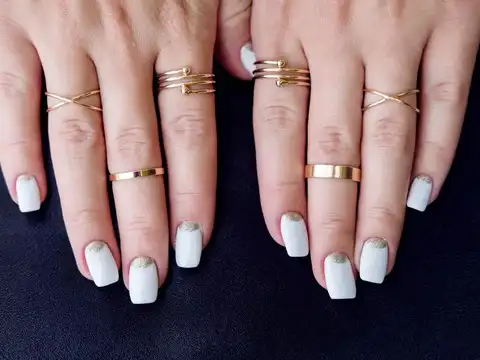
Wearing a ring on your thumb signals strong willpower, individuality, and self-confidence. Historically, thumb rings were worn by archers and rulers to show strength and control. If you wear one on your active hand (usually right for most people), it means you're ambitious and assertive. On your passive hand (usually left), it can hint at inner conflict or a journey toward self-mastery.
Amazon Top Deals
POWERED BY

Crompton Ozone 75 Litres Desert Air Cooler for home | Large & Easy Clean Ice Chamber | 4-Way Air Deflection | High Density Honeycomb Pads | Everlast Pump | Auto Fill| 3 Year Brand Warranty
₹9,798Buy Now43%
OFF

atomberg Studio Smart+ 1200mm BLDC Ceiling Fan with IoT & Remote | BEE 5 star Rated Energy Efficient Ceiling Fan | High Air Delivery with LED Indicators | 3 Year Warranty (Earth Brown)
₹5,882Buy Now36%
OFF

LG 32 L Convection Microwave Oven (MC3286BRUM, Black, 360° Motorised Rotisserie for Bar-be-queing, 301 Auto Cook Menu, Stainless steel cavity, Indian Cuisine, Tandoor Se, Steam Clean & Diet Fry)
₹19,340Buy Now19%
OFF
4/8
Index finger: leadership and ambition
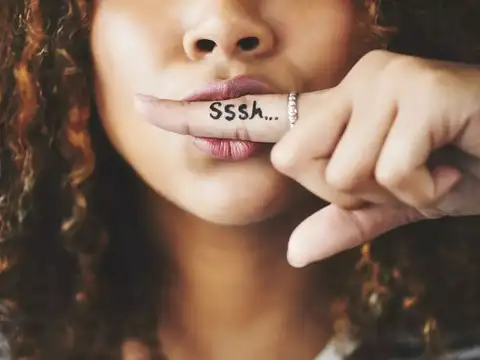
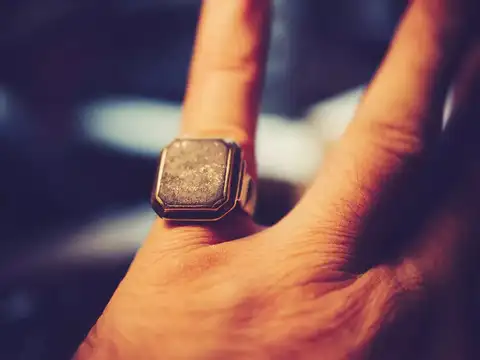
The index finger is linked to Jupiter in ancient astrology, representing authority, self-esteem, and direction. Kings and priests wore signet rings here to display power. If you wear a ring on your active hand's index finger, you're confident and ready to lead. On your passive hand, it shows you respect leadership and are open to guidance. People who love being trendsetters or decision-makers often choose this finger.
5/8
Middle finger: balance and responsibility
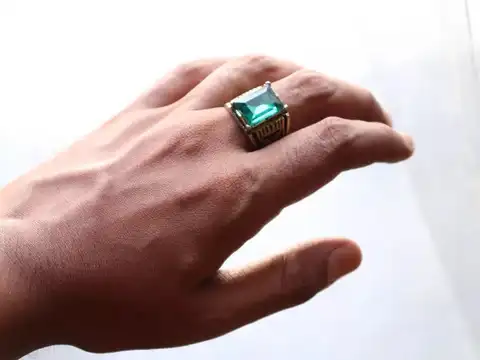
The middle finger stands for responsibility, self-analysis, and personal balance. Not many people wear rings here, but when they do, it signals maturity and accountability. Family heads or those in responsible roles sometimes choose this finger. It's also a great spot for bold statement rings because it's the tallest finger and commands attention without the romantic or professional symbolism of other fingers.
6/8
Ring finger: love, commitment, and creativity
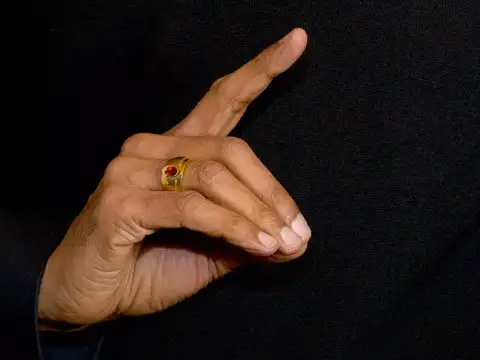
The ring finger—especially the left one—is universally known for engagement and wedding rings. Ancient Romans believed a vein called "vena amoris" (vein of love) ran directly from this finger to the heart, making it the perfect symbol of eternal love and partnership. Beyond romance, this finger also represents creativity and emotional expression. In some cultures, wearing a ring on the right ring finger signals professional achievement (like an engineering or graduation ring) or a personal milestone.

7/8
Pinky finger: intelligence and persuasion
The pinky is ruled by Mercury in astrology, symbolizing communication, intuition, and social connections. People who wear rings here are often friendly, talkative, and quick thinkers. Historically, pinky rings indicated professional status—lawyers, businesspeople, and family heirs wore signet rings or crests here. It's also a subtle, stylish choice that says you pay attention to details and value personal expression.
8/8
Cultural variations: left vs. right hand
In Western cultures, engagement and wedding rings go on the left ring finger. In countries like India, Germany, and Russia, the right hand is often preferred for auspicious jewelry due to cultural and religious beliefs. In some Indian traditions, the left hand is considered less favorable for sacred ornaments, so wedding rings and family heirlooms are worn on the right. The choice of hand can also shift after marriage in certain cultures—Germany and Austria move the ring from left to right post-wedding.