
What happens to your kidneys 6 months after quitting alcohol
1/7
How Drinking Affects Kidney Health
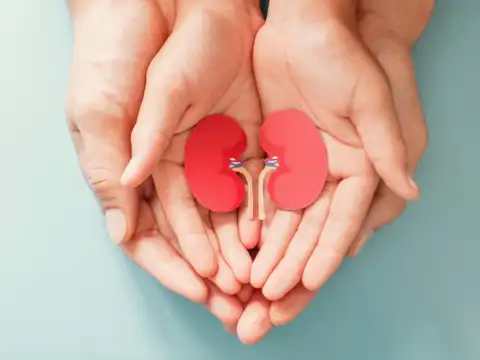
Alcohol makes your kidneys work harder by disrupting their ability to filter blood and balance fluids. It causes dehydration, which strains kidney cells, and can elevate blood pressure which is a leading cause of kidney disease. This strain may reduce your kidneys’ filtering capacity and contribute to diseases like chronic kidney disease, especially when combined with alcohol-related liver problems.
2/7
Early Recovery Begins
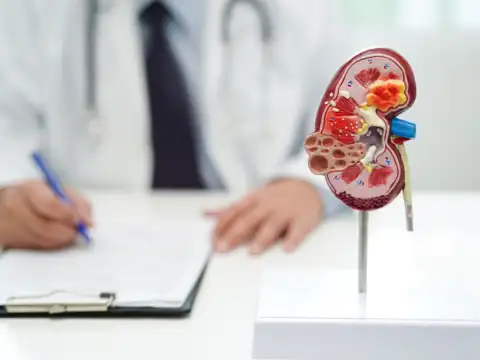
Once you stop drinking, kidneys quickly start repairing alcohol‑related stress. In the first few weeks, hydration levels improve, toxic load decreases, and blood pressure begins to stabilise.
3/7
Better Fluid and Blood Pressure Control
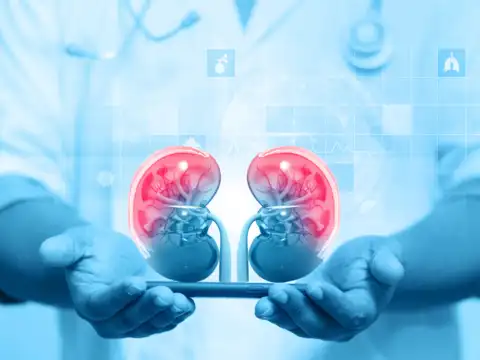
By the six‑month mark, your kidneys are far more efficient at controlling fluids and blood pressure, lowering the strain caused by alcohol’s diuretic and vascular effects.
Amazon Top Deals
POWERED BY

4/7
Reduced Inflammation
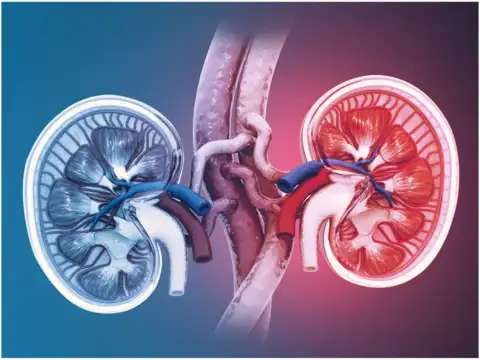
Alcohol can inflame kidney tissues over time. With six months of abstinence, much of this inflammation subsides, improving overall kidney function and waste filtration.
5/7
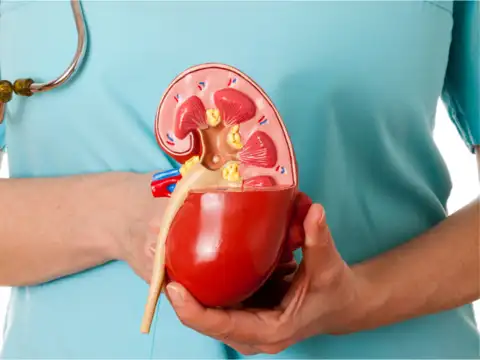
Slowing Disease Progression
If heavy drinking damaged your kidneys permanently, full reversal may not be possible, but quitting slows or halts further deterioration, helping manage chronic kidney disease risks.
6/7
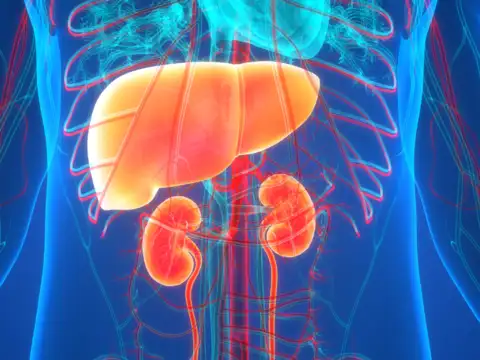
Liver‑Kidney Connection
A healthier liver after quitting alcohol also helps your kidneys, because both organs work together to filter toxins and process waste from the body more effectively.
7/7
Lifestyle Support Matters
Kidney recovery works best when paired with proper hydration, a balanced diet, exercise, and regular medical check‑ups to monitor function and detect issues early.
READ MORE:
kidney health after quitting alcohol |kidneys recover after sobriety |quit drinking health benefits |6 months sober |kidney health |kidney health after quitting alcohol for 6 months o |quit drinking benefits |kidney damage after drinking alcohol |kidney and liver connection |liver health after quitting alcohol