
What happens to your body when you skip breakfast for three days straight?

1/6
The Three-Day Breakfast Fast
When you skip breakfast repeatedly, your body doesn't just run on empty. Your stress hormone cortisol rises, blood sugar crashes, and metabolism slows down. By day three, your body's already struggling to maintain focus, energy, and emotional equilibrium.

2/6
Day one: Cortisol surge and stress and brain fog
Your body wakes up expecting fuel after eight to ten hours fasting. Without breakfast, cortisol (stress hormone) stays elevated longer than it should. You'll feel irritable, anxious, mentally foggy, and increasingly vulnerable to cravings by midday. Glucose is your brain's primary fuel. By skipping breakfast, you're running on fumes. Students, professionals, and parents notice reduced concentration, slower reaction times, and impaired memory. Your productivity tanks despite your best efforts to push through.
3/6
Day Two: Blood Sugar Rollercoaster and Metabolism backs down
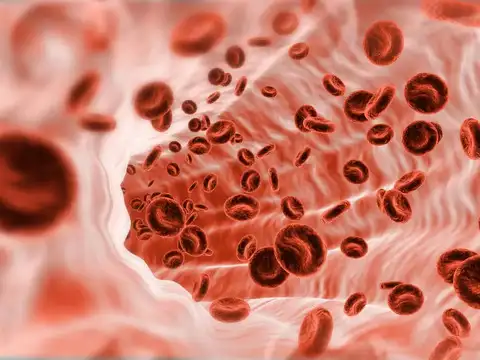
Your insulin sensitivity drops further. When you finally eat lunch, your blood sugar spikes higher than normal, forcing your pancreas to work overtime. This creates a hunger-crash cycle that intensifies cravings for junk food and sweets. Your body interprets consistent breakfast skipping as starvation. Metabolism shifts into preservation mode, burning fewer calories and storing more fat. This metabolic slowdown makes future weight loss progressively harder, counteracting any calorie deficit you hoped to create.
Amazon Top Deals
POWERED BY


4/6
Day Two: Mood Destabilization and Metabolic dysfunction
Stable blood sugar stabilizes mood. Without it, serotonin dips and cortisol remains elevated. Irritability deepens, anxiety lingers, and depression risk increases, especially when breakfast skipping becomes habitual. This "hangry" state isn't just attitude; it's biochemistry. By day three, your body shows early signs of metabolic dysfunction: elevated LDL cholesterol, higher blood pressure potential, impaired glucose metabolism, and increased belly fat storage. Medical research links three-day breakfast skips to metabolic syndrome markers.
5/6
Day Three: Cardiovascular Stress Heightens
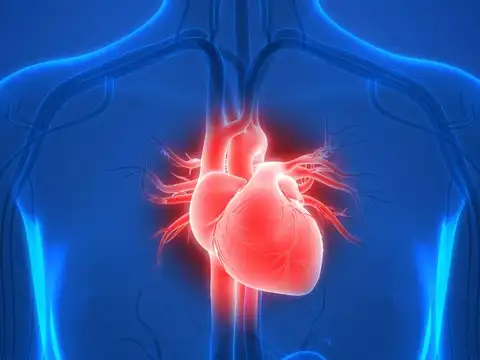
Your heart works harder with unstable glucose and elevated cortisol. Irregular meal patterns disrupt your body's natural circadian rhythm, increasing cardiovascular disease risk long-term. Short-term energy conservation becomes chronic inflammation if repeated frequently. By day three evening, hunger hormones ghrelin surges while satiety hormone leptin crashes. Your body craves high-calorie, high-sugar foods intensely. Most people overeat at dinner, consuming far more calories than they "saved" by skipping breakfast, negating any weight-loss logic.

6/6
Recovery: What to Do Next
Start with a balanced breakfast: protein, whole grains, healthy fats, and fiber. Even light eating (egg toast, oatmeal, yogurt) stabilizes blood sugar, lowers cortisol, and restarts proper metabolism. One nutritious morning meal reverses many three-day deficits within 24-48 hours. But still, skipping breakfast is not an option.
(Disclaimer: This story is strictly for educational purposes only and does not substitute any professional medical advice and should not be considered as professional medical advice.)
(Disclaimer: This story is strictly for educational purposes only and does not substitute any professional medical advice and should not be considered as professional medical advice.)
READ MORE:
Skipping breakfast health effects |what happens when you skip breakfast |breakfast skipping metabolism |three days no breakfast |blood sugar and breakfast skipping |cortisol breakfast skipping effects |cardiovascular disease breakfast skipping |metabolic syndrome breakfast risk |breakfast importance health |intermittent fasting versus breakfast skipping