
What are Triglycerides? These 4 foods spike the levels quietly and your heart is at risk
1/5
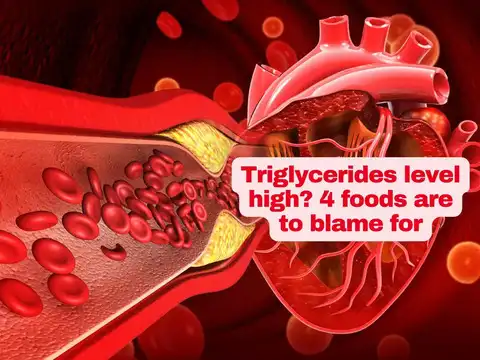
The fat hiding in your bloodstream
Triglycerides are fat molecules circulating in your blood. Your liver manufactures them from calories you don't burn immediately. Think of them as energy storage, but excess accumulation strains your heart and arteries over time. Simple blood tests reveal your count.
2/5
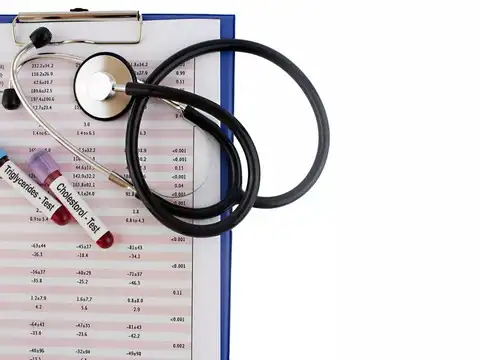
Understanding normal vs. high triglyceride readings
Normal runs below 150 milligrams per deciliter. Borderline spans 150 to 199. High hits 200 to 499. Very high exceeds 500. Each step up heightens your stroke and heart attack risk. A fasting blood test during your annual physical catches these numbers without fanfare.

3/5
Refined carbs and sugary drinks: the sneaky culprits
White bread, pasta, candy, and soft drinks lack fiber, forcing your liver to churn out more triglycerides. Breakfast cereals and packaged snacks mask added sugars brilliantly. Your body converts these empty calories into fat molecules circulating your veins relentlessly.
Amazon Top Deals
POWERED BY

Crompton Ozone 75 Litres Desert Air Cooler for home | Large & Easy Clean Ice Chamber | 4-Way Air Deflection | High Density Honeycomb Pads | Everlast Pump | Auto Fill| 3 Year Brand Warranty
₹9,798Buy Now43%
OFF

LG 32 L Convection Microwave Oven (MC3286BRUM, Black, 360° Motorised Rotisserie for Bar-be-queing, 301 Auto Cook Menu, Stainless steel cavity, Indian Cuisine, Tandoor Se, Steam Clean & Diet Fry)
₹17,990Buy Now25%
OFF

4/5
Alcohol and fried foods amplify the damage
Alcohol boosts your liver's triglyceride production while inhibiting their breakdown. Fried chicken, chips, and processed meats add saturated fat and calories. The combo is particularly pernicious for blood vessel health and pancreatic inflammation over months of consumption.
5/5
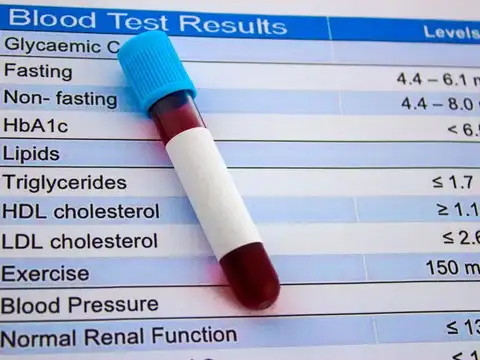
Why your doctor keeps harping on this
Elevated triglycerides corrode artery walls, narrowing passages. This plaque buildup forces your heart to work harder, elevating blood pressure. Unchecked, it cascades into heart disease, stroke, and pancreatitis. Diet shifts now prevent medication dependence later.
(Disclaimer: This story is strictly for educational purposes only and does not substitute any professional medical advice and should not be considered as professional medical advice.)
(Disclaimer: This story is strictly for educational purposes only and does not substitute any professional medical advice and should not be considered as professional medical advice.)
READ MORE:
triglycerides blood test |high triglycerides foods to avoid |normal triglyceride levels |how to lower triglycerides naturally |triglycerides and heart disease |best diet for high triglycerides |refined carbs triglycerides |alcohol triglyceride levels |triglycerides risk factors |triglyceride management lifestyle changes