
What are the hormonal imbalances cause by strict fasting

1/5
Cortisol
Fasting can elevate cortisol levels, as the body perceives a lack of food as stress. This can result in increased blood sugar, irritability, and potential difficulty with sleep.

2/5
Insulin
Short-term fasting often reduces insulin levels, as the body isn’t continually processing glucose from meals. However, prolonged fasting may lead to insulin resistance due to high cortisol levels and erratic glucose release from the liver.

3/5
Leptin
Fasting reduces leptin levels, signaling a state of low energy availability to the brain. This can lead to increased hunger, which the body uses as a survival mechanism.
Amazon Top Deals
POWERED BY

4/5
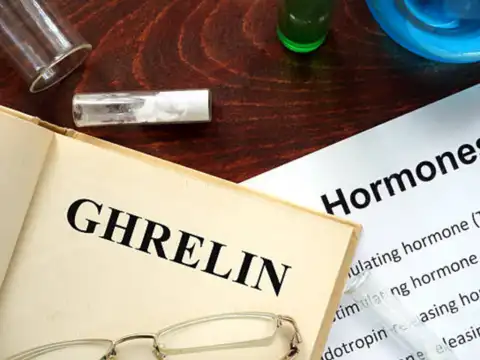
Ghrelin
Ghrelin levels tend to increase with fasting, signaling hunger to prompt food intake. Ghrelin naturally fluctuates throughout the day but can spike significantly with prolonged fasting.

5/5
Thyroid hormones
Prolonged fasting can decrease T3 (triiodothyronine), an active thyroid hormone, as part of a response to conserve energy. T4 (thyroxine) may also decrease, leading to a slower metabolic rate.