
Watch out: 8 body changes in women that could signal cancer

1/8
Persistent indigestion or trouble swallowing
Ongoing digestive issues or difficulty swallowing may signal stomach, esophagus, or throat cancers. Don’t ignore persistent discomfort.

2/8
Unexplained weight loss
Sudden, unexplained weight loss could indicate pancreatic, ovarian, or stomach cancers. Even small, consistent losses require medical attention.
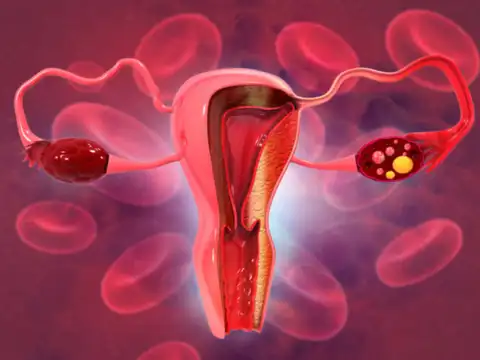
3/8
Unusual bleeding or bruising
Vaginal bleeding outside periods, blood in urine, or unexpected bruises may signal cervical, uterine, or blood cancers. Early consultation is crucial.
Amazon Top Deals
POWERED BY

Crompton Ozone 75 Litres Desert Air Cooler for home | Large & Easy Clean Ice Chamber | 4-Way Air Deflection | High Density Honeycomb Pads | Everlast Pump | Auto Fill| 3 Year Brand Warranty
₹9,798Buy Now43%
OFF

atomberg Studio Smart+ 1200mm BLDC Ceiling Fan with IoT & Remote | BEE 5 star Rated Energy Efficient Ceiling Fan | High Air Delivery with LED Indicators | 3 Year Warranty (Earth Brown)
₹5,882Buy Now36%
OFF

LG 32 L Convection Microwave Oven (MC3286BRUM, Black, 360° Motorised Rotisserie for Bar-be-queing, 301 Auto Cook Menu, Stainless steel cavity, Indian Cuisine, Tandoor Se, Steam Clean & Diet Fry)
₹19,340Buy Now19%
OFF

4/8
Skin or mole changes
Darkening, yellowing, or new moles that change in size, shape, or color may indicate melanoma or skin cancer. Monitor changes carefully.

5/8
Persistent fatigue
Extreme tiredness that doesn’t improve with rest can be linked to blood, ovarian, or breast cancers. Pay attention to prolonged fatigue.

6/8
Swelling or lumps
Lumps in breasts, neck, or underarms, or swelling in the abdomen or limbs can indicate underlying cancers. Early detection improves outcomes.

7/8
Digestive or urinary changes
Persistent constipation, diarrhea, or urinary problems can sometimes signal colon, bladder, or ovarian cancers. Never ignore sudden changes in bodily functions.

8/8
Unexplained pain or discomfort
Pain in bones, back, or joints without a clear cause may point to cancers like ovarian, breast, or bone cancers. Seek evaluation promptly.