
Walking — the weirdest thing about humans? Here's why
1/8
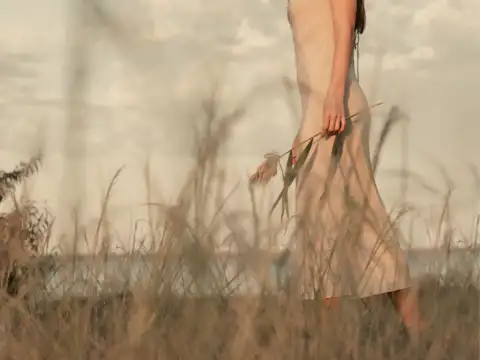
Only humans walk upright
24/7 Apes, bears, even birds stand on two legs—but not like us. Constant bipedalism is rare in nature, and humans are the only primates built around it.
2/8
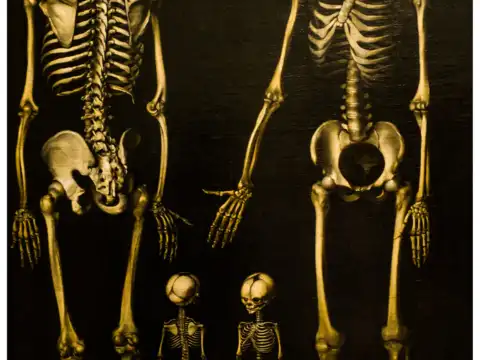
It rewired our entire skeleton
Our spine curved, feet arched, knees angled in, and our big toe lost its grip. The pelvis flattened. We walk, but with a structure that fights gravity at every step.
3/8
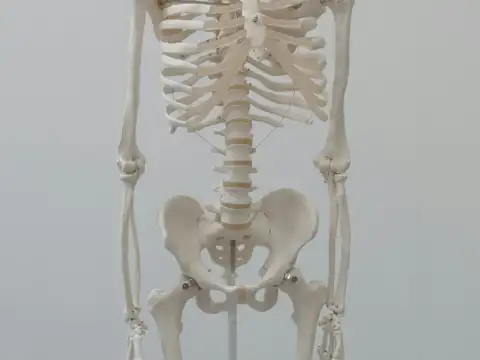
It shrunk our gut and changed how we eat
Standing freed our hands—but it also made our digestive tract shorter and tighter. Our organs had to stack vertically, meaning smaller guts and faster digestion.
Amazon Top Deals
POWERED BY


4/8
Childbirth became a tight squeeze
Our pelvis narrowed for walking, but our babies’ heads grew larger. The result? Human labour is slow, painful, and dangerous—unlike most mammals who give birth effortlessly.

5/8
We sweat like no other species
To cool our upright, sun-exposed bodies, humans evolved 2–4 million sweat glands. We don’t pant—we drip. This let us chase prey for hours in the heat.
6/8
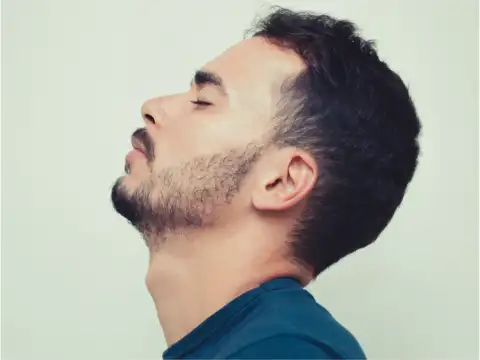
Our voice changed too
A lower larynx and longer neck gave us balance—but also the power of complex speech. Without bipedalism, language might never have evolved the way it did.
7/8
We see the world from a new height
Standing tall improved our long-range vision and depth perception. This shift likely pressured the brain to grow—helping us track prey, scan horizons, and eventually think abstractly.
8/8
Standing up made us human—but at a cost
From brain growth to blistered feet, walking on two legs shaped who we are. It’s our weirdest evolutionary gamble—and we’re still adapting to it.