
Walking barefoot at home vs wearing slippers: What it does to your feet
1/7
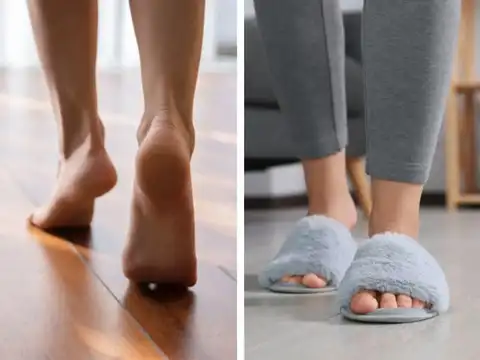
Barefoot Walking Strengthens Your Foot Muscles
Going barefoot regularly makes the small muscles inside your feet work harder. According to a systematic review published in PMC, most barefoot and minimalist interventions led to significant improvements in intrinsic foot muscle volume, arch function, and toe flexor strength. Stronger foot muscles mean better balance, stability, and less fatigue over time.
2/7
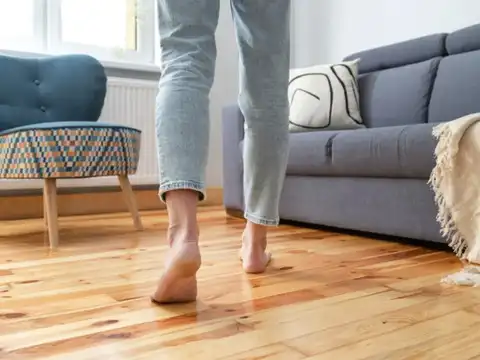
But Hard Floors Can Be Rough On Your Feet
Barefoot on marble, tiles, or concrete is a different story from barefoot on grass or soil. Indian homes typically have hard flooring, and walking on it without any cushioning puts direct pressure on your heel and arch. Over time, this can worsen conditions like plantar fasciitis or flat feet, especially if you are already prone to them.
3/7
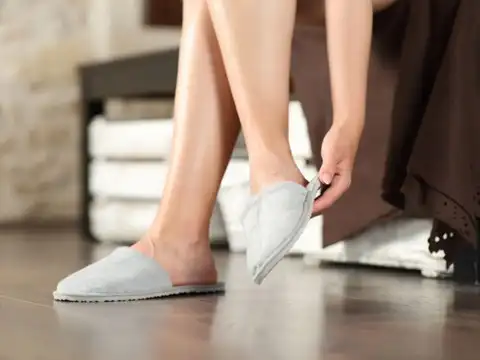
Slippers Protect Your Joints, Not Just Your Feet
It isn't just about foot comfort. A peer reviewed study in HVAC and R Research on body mechanics and research from PubMed on foot orthotics both confirm that proper footwear distributes body weight evenly and reduces shock that travels up through the ankles, knees, hips, and spine. Supportive slippers with arch support can meaningfully reduce lower back pain for people who stand or walk a lot at home.
Amazon Top Deals
POWERED BY

Crompton Ozone 75 Litres Desert Air Cooler for home | Large & Easy Clean Ice Chamber | 4-Way Air Deflection | High Density Honeycomb Pads | Everlast Pump | Auto Fill| 3 Year Brand Warranty
₹9,798Buy Now43%
OFF

LG 32 L Convection Microwave Oven (MC3286BRUM, Black, 360° Motorised Rotisserie for Bar-be-queing, 301 Auto Cook Menu, Stainless steel cavity, Indian Cuisine, Tandoor Se, Steam Clean & Diet Fry)
₹19,340Buy Now19%
OFF
4/7
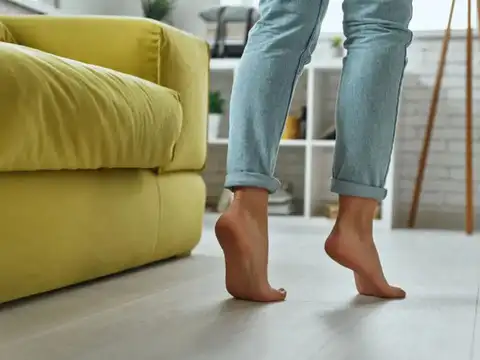
Barefoot Walking Improves Your Balance And Proprioception
Proprioception is your body's ability to sense where it is in space, and bare feet are much better at it than cushioned footwear. Research published in Scientific Reports found that people who regularly go without shoes have dynamically stiffer, stronger feet and better neuromuscular control. For younger adults especially, this translates to better posture and coordination.
5/7
Flat Slippers Without Support Can Be Worse Than Barefoot
The worst option is the most common one in Indian homes, a flat, unsupportive rubber chappal. These offer no arch support, no cushioning, and still restrict the natural flex of your foot. A study in PMC on foot problems and footwear found that ill-fitting, unsupportive indoor footwear was linked to higher rates of foot problems and falls. If you're going to wear slippers, they need to actually support your foot.
6/7
For People With Diabetes, Barefoot At Home Is A Real Risk
This is a point most people in India miss entirely. For diabetics, even a small cut or bruise from walking barefoot on hard floors can escalate quickly due to reduced sensation in the feet. Podiatrists and health bodies consistently recommend that people with diabetes always wear proper, protective footwear indoors. Barefoot walking at home is not advisable for this group under any circumstances.
7/7
The Smartest Approach: A Mix Of Both
Neither barefoot nor slippers all the time is the ideal answer. Research in PMC on barefoot and minimalist footwear suggests that some barefoot time builds foot strength, while supportive footwear protects against hard surface impact. Short barefoot sessions on clean floors, combined with good supportive slippers for longer periods of standing or moving, gives you the benefits of both.
(Disclaimer: This story is for educational purposes alone and should not be considered as professional medical advice and does not substitute any medical advice.)
(Disclaimer: This story is for educational purposes alone and should not be considered as professional medical advice and does not substitute any medical advice.)