
“Wake up at Brahma Muhurta everyday and witness the magic”: Sadhguru recommends this “high-vibration” hour for your brain
1/7
The pre‑dawn edge
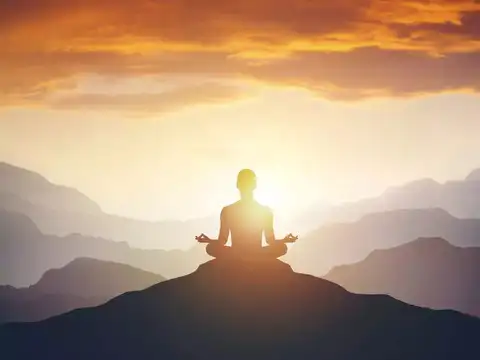
Called “the time of the Creator,” Brahma Muhurta is the quiet pre‑sunrise window when sages say mind, body, and nature align for clarity, prayer, and deep work, offering a daily reset before the world wakes.

2/7
What time is it exactly?
Brahma Muhurta typically falls roughly 3:30–4:30 a.m., shifting slightly by season and local sunrise, so the practical cue is “about 1.5–2 hours before dawn.” Because it tracks sunrise, the clock time changes across the year, so aligning your alarm with dawn rather than a fixed time preserves the intended effect.
3/7
Why it’s considered “high‑vibration”
Tradition describes this hour as sattva‑dominant—calm, light, and clear—making intention‑setting, mantra, and contemplation feel more effortless than at busier times. Practitioners say prayers and affirmations “land” deeper because the mind is quieter and receptive, shaping the tone of the entire day.
Amazon Top Deals
POWERED BY

Crompton Ozone 75 Litres Desert Air Cooler for home | Large & Easy Clean Ice Chamber | 4-Way Air Deflection | High Density Honeycomb Pads | Everlast Pump | Auto Fill| 3 Year Brand Warranty
₹9,798Buy Now43%
OFF

atomberg Studio Smart+ 1200mm BLDC Ceiling Fan with IoT & Remote | BEE 5 star Rated Energy Efficient Ceiling Fan | High Air Delivery with LED Indicators | 3 Year Warranty (Earth Brown)
₹5,882Buy Now36%
OFF

LG 32 L Convection Microwave Oven (MC3286BRUM, Black, 360° Motorised Rotisserie for Bar-be-queing, 301 Auto Cook Menu, Stainless steel cavity, Indian Cuisine, Tandoor Se, Steam Clean & Diet Fry)
₹19,340Buy Now19%
OFF

4/7
The physiology angle
Before sunrise, melatonin is still high and cortisol is just beginning its morning rise, a biochemical cross‑over linked with alert calm and better cognitive control in many people. Lower ambient noise and minimal digital stimulation reduce cognitive load, making sustained attention and reflective work easier.

5/7
Mind, breath, and prana
Yogic framing says pre‑dawn air is rich in prana, and the nervous system is most harmonized, so breathwork and meditation can feel smoother and deeper. Mantra recitation is believed to “vibrate” more effectively then, supporting steadier attention and a more centered emotional baseline.

6/7
From darkness to light
Symbolically, the passage from night into dawn mirrors moving from confusion to clarity, which is why ideation, journaling, and study are often placed here. This transition state helps the mind shift from sleep‑wave patterns into creative focus, supporting fresh insights and cleaner priorities.
7/7
What to actually do
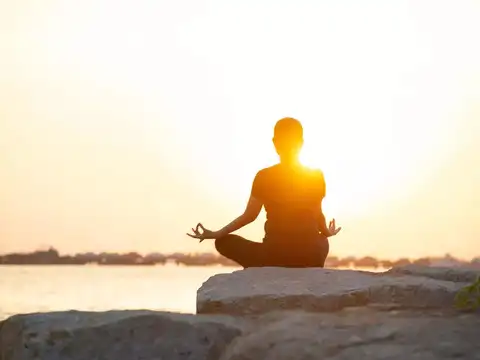
Keep it simple: wake, hydrate, and sit 10–20 minutes for breathwork or meditation, followed by light movement or a short reading/journaling block. Protect the quiet: avoid phone and bright lights, and end with one intention for the day to carry the calm into action.