
Vitamin D deficiency: 8 surprising sources that can cure it naturally
1/6
Why vitamin D runs low
Vitamin D supports bones, muscles, and immunity, yet indoor work, limited midday sun, and few natural food sources leave many Indians deficient, making fortified foods and planned sunlight important complements to diet.

2/6
UV‑exposed mushrooms and fortified staples
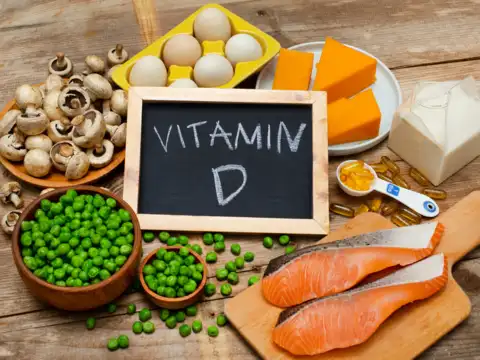
Mushrooms produce vitamin D2 when exposed to UV; choose packs labeled “UV‑exposed” or sun‑dry sliced mushrooms at home for a real boost, and pair with fortified milk, curd, plant milks, or cereals daily.
3/6
Oily fish and canned fish with bones
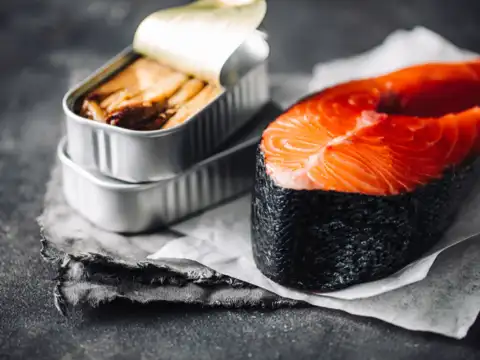
Salmon, mackerel, sardines, and some canned fish provide substantial vitamin D per serving, while bone‑in canned options can also add calcium—an efficient combo for bone health with Indian curry or grill formats.
Amazon Top Deals
POWERED BY

Crompton Ozone 75 Litres Desert Air Cooler for home | Large & Easy Clean Ice Chamber | 4-Way Air Deflection | High Density Honeycomb Pads | Everlast Pump | Auto Fill| 3 Year Brand Warranty
₹9,798Buy Now43%
OFF

LG 32 L Convection Microwave Oven (MC3286BRUM, Black, 360° Motorised Rotisserie for Bar-be-queing, 301 Auto Cook Menu, Stainless steel cavity, Indian Cuisine, Tandoor Se, Steam Clean & Diet Fry)
₹19,340Buy Now19%
OFF

4/6
Egg yolks and select cheeses
Egg yolk vitamin D varies with the hen’s feed and sunlight, so treat it as a small “booster,” and use modest‑D cheeses similarly, stacking alongside fortified drinks or UV‑mushrooms for reliable intake.

5/6
Sunlight done right (practical tips)
Brief, regular midday exposure on forearms and face helps synthesis, but needs differ by skin tone, clothing, latitude, and season; clinicians guide testing and supplementation when diet and sensible sun aren’t enough.

6/6
Who is at risk
Older adults, indoor workers, people with darker skin, and individuals with obesity, kidney, or liver disease are at higher risk of vitamin D deficiency due to reduced cutaneous synthesis, distribution volume, or impaired activation/absorption. Because baseline levels tend to be lower in these groups, clinicians often consider testing, while a food‑first approach plus fortified staples remains the safest baseline.