
Valley of Flowers reopens for 2025: Dates, timings, entry fees & trek guide

1/6
A Blooming Wonder in the Himalayas
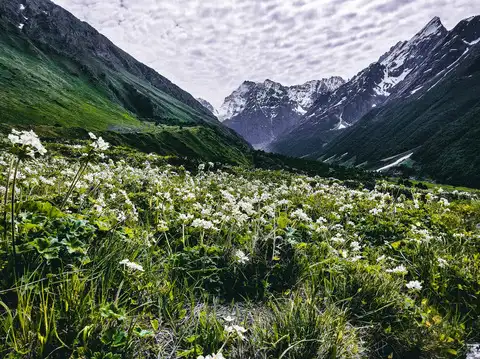
The Valley of Flowers transforms into a vibrant paradise between July and early September, bursting with over 600 rare alpine wildflower species. Declared a UNESCO World Heritage Site, this high-altitude meadow in Chamoli is a dream for photographers, trekkers, and botanists, with colours that change weekly during peak season.
2/6
Why It’s Special
Beyond its ephemeral beauty, the Valley of Flowers is known for its beginner-friendly trek, making it ideal for first-time high-altitude explorers. The path is well-marked and not too steep, offering a balanced adventure. Nearby lies Hemkund Sahib, a sacred Sikh site, adding spiritual serenity to your journey.

3/6
Reaching the Valley
Start your journey by reaching Govindghat, accessible from Dehradun or Rishikesh by road. From there, drive to Pulna, then trek 10 km to Ghangaria. The final 3.5 km leads into the Valley. The route is scenic but rugged, so pack light, wear sturdy shoes, and start early to enjoy the day.
Amazon Top Deals
POWERED BY

Crompton Ozone 75 Litres Desert Air Cooler for home | Large & Easy Clean Ice Chamber | 4-Way Air Deflection | High Density Honeycomb Pads | Everlast Pump | Auto Fill| 3 Year Brand Warranty
₹9,798Buy Now43%
OFF

LG 32 L Convection Microwave Oven (MC3286BRUM, Black, 360° Motorised Rotisserie for Bar-be-queing, 301 Auto Cook Menu, Stainless steel cavity, Indian Cuisine, Tandoor Se, Steam Clean & Diet Fry)
₹19,340Buy Now19%
OFF

4/6
Best Time to Visit
Though the park opens from June 1 to October 31, the best time to witness the blooming spectacle is between mid-July and early September. This is when the monsoon-fed valley explodes with colour. Avoid visiting too early or too late in the season for a fuller floral experience.

5/6
Entry Fees and Permits
To enter the national park, Indian visitors pay ₹150 for a 3-day pass and ₹50 for each extra day, while foreigners pay ₹600 and ₹250 respectively. ID proof is mandatory. Fees do not include porters or other services—plan ahead if you need assistance with luggage or mobility.

6/6
Park Timings and Regulations
The valley is open daily from 7:00 AM to 5:00 PM, with no overnight stays allowed. Visitors must return to Ghangaria the same day. Strict rules help preserve its pristine ecosystem—no camping, no shops, and no littering—ensuring this Himalayan gem remains untouched for future generations.