
Two men fell gravely ill; infections linked to 1980s
1/7
The mystery
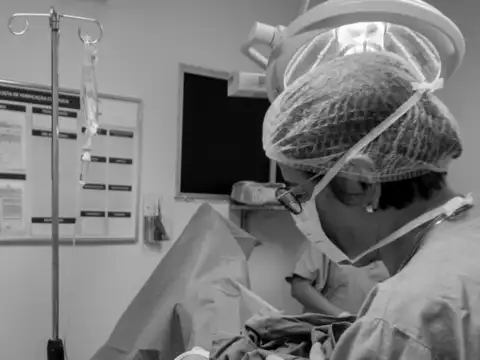
Two men fell gravely ill days apart in September 2024 with a tropical bacterium not known to spread easily between people—and neither had recent travel to endemic regions.

2/7
The link to the ’80s
Genome sequencing connected their infections to two earlier local cases—from 1983 and 1989—revealing one highly related strain across four cases in the same Georgia county.
3/7
The culprit
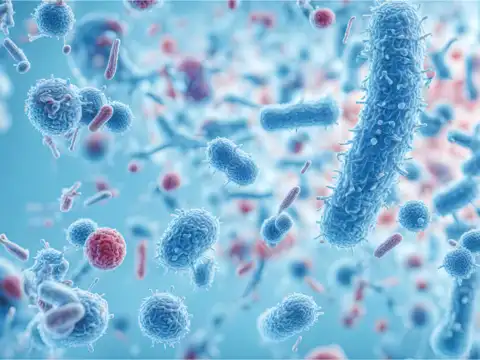
The pathogen is Burkholderia pseudomallei, a lethal soil bacterium that causes melioidosis and typically lives in Southeast Asia and northern Australia; the US has confirmed environmental footholds in the Gulf states.
Amazon Top Deals
POWERED BY
4/7
The storm trigger
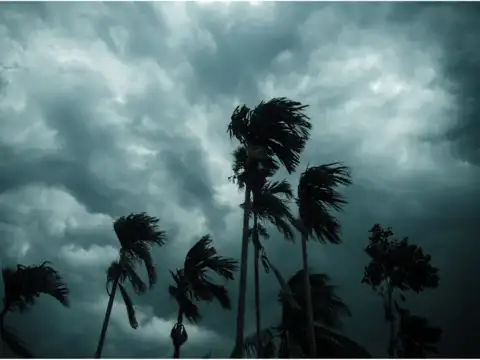
Researchers suspect Hurricane Helene churned contaminated soil and water; both 2024 patients worked outdoors that day, exposed to mud, dust, strong winds, and ~10 inches of rain.
5/7
Why it matters
If B. pseudomallei has persisted locally for decades, storms and flooding may spike cases—and usual “no travel” assumptions could delay diagnosis, when early, targeted antibiotics save lives.
6/7
What officials advise
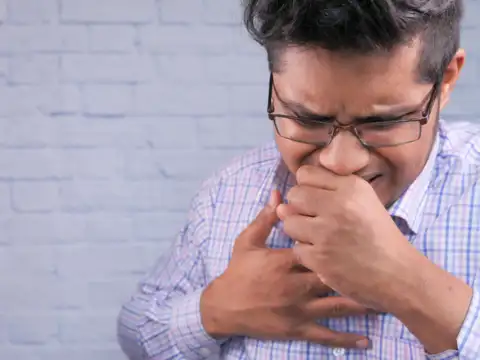
For outdoor workers after floods: wear protective gear, clean wounds quickly, and seek care for fever, cough, chest pain, or sepsis symptoms; clinicians should consider melioidosis even without travel history.
7/7
The bigger picture
Climate extremes may expand soil and water pathogens’ range; tracking with environmental sampling and sequencing can spot hidden reservoirs before outbreaks grow
READ MORE:
Burkholderia pseudomallei Georgia |melioidosis hurricane Helene |deadly soil bacterium USA |Georgia linked cases 1983 1989 2024 |extreme weather infection risk |B. pseudomallei symptoms sepsis |melioidosis antibiotics treatment |environmental pathogen surveillance |genome sequencing outbreak link |flood cleanup infection safet