
Trying to regrow hair? Hair loss results depend on this factor
1/8
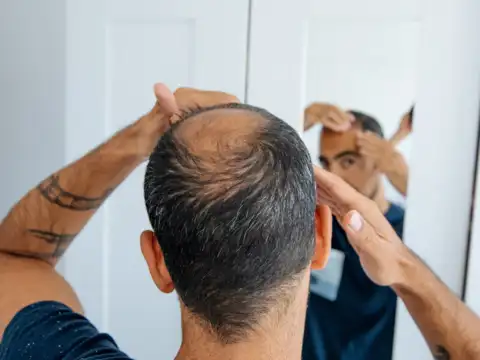
Effectiveness of hair loss medications
Hair loss medications are on the rise, but they don’t work equally. Knowing the effectiveness of the response helps you pick the right treatment, avoid wasted time, and manage your expectations.
2/8
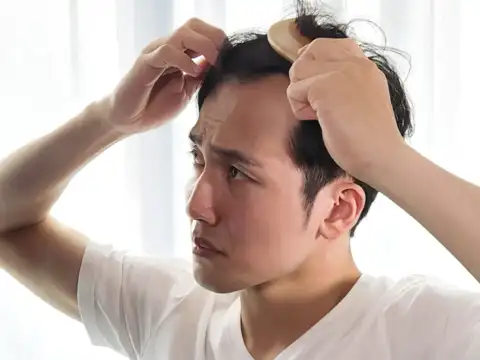
In your 20s: Strongest response to treatment
Younger adults respond best to medications like Minoxidil and Finasteride. The American Academy of Dermatology notes that early-stage hair follicles are still active and more likely to regrow. Starting treatment now often results in thicker regrowth and slower future loss.
3/8
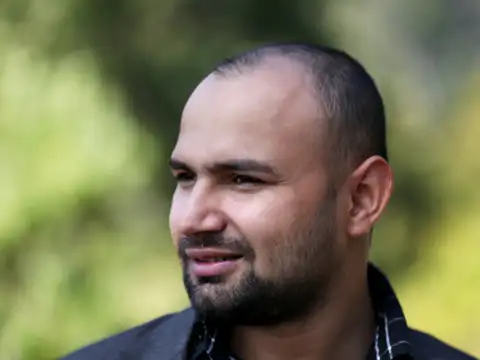
In your 30s: Still good, but slower regrowth
In your 30s, treatments remain effective though hair follicle activity declines slightly. According to the National Institutes of Health, response rates are high but take longer to appear. Consistent use becomes more crucial to prevent further miniaturisation of hair follicles.
Amazon Top Deals
POWERED BY

Crompton Ozone 75 Litres Desert Air Cooler for home | Large & Easy Clean Ice Chamber | 4-Way Air Deflection | High Density Honeycomb Pads | Everlast Pump | Auto Fill| 3 Year Brand Warranty
₹9,798Buy Now43%
OFF

LG 32 L Convection Microwave Oven (MC3286BRUM, Black, 360° Motorised Rotisserie for Bar-be-queing, 301 Auto Cook Menu, Stainless steel cavity, Indian Cuisine, Tandoor Se, Steam Clean & Diet Fry)
₹17,990Buy Now25%
OFF
4/8
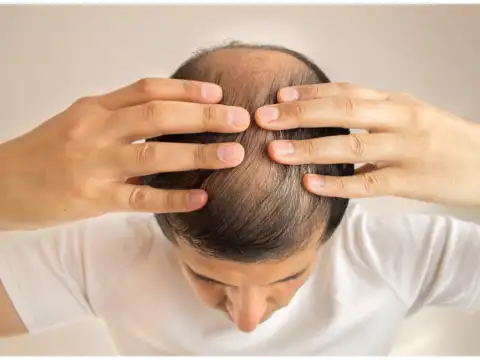
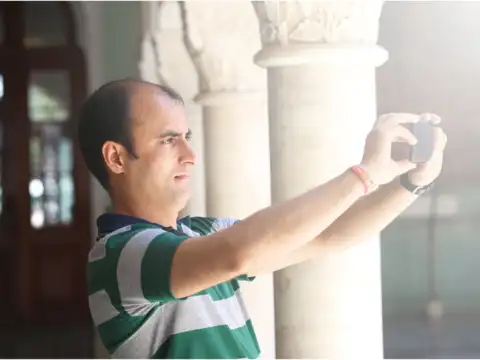
In your 40s: Maintenance becomes the main goal
By the 40s, hair follicles have often miniaturised significantly, making regrowth harder. The Mayo Clinic states that medications mainly help slow shedding rather than regrow dense hair. Most users see thicker strands where hair still exists, but not new coverage on bald spots.
5/8
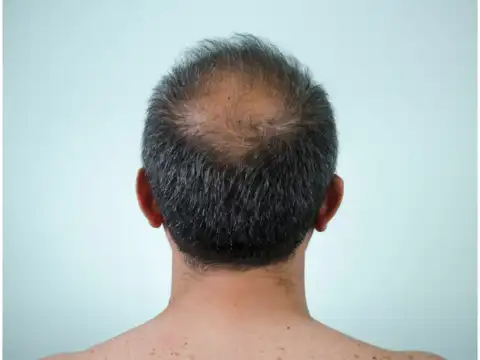
In your 50s: Response varies greatly
Hormonal changes and reduced scalp blood flow affect medication response in the 50s. The Cleveland Clinic reports that fewer follicles remain active enough for regrowth, making results unpredictable. Regular use may stabilise existing hair but often cannot reverse noticeable baldness.
6/8
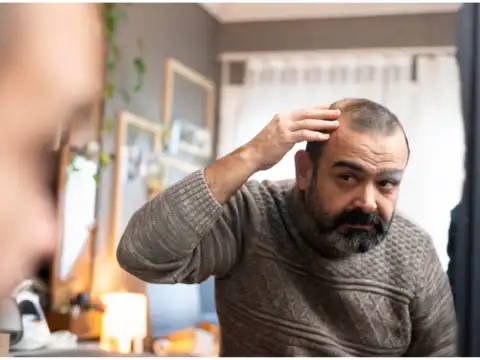
In your 60s and beyond: Minimal regrowth, only preservation
At this stage, most follicles are dormant or lost, so regrowth is rare. The British Association of Dermatologists explains that medications may only help preserve thin remaining hair. Hair transplant surgery or cosmetic options may be more effective than drug therapy alone.
7/8
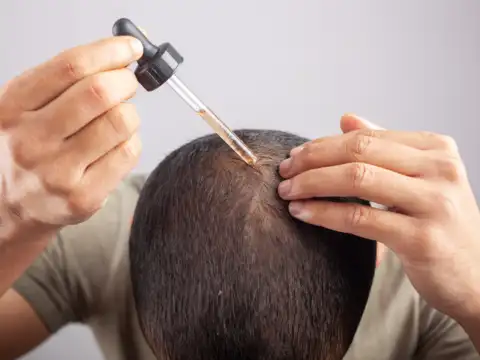
Age affects patience and persistence
Older patients may stop treatment too soon when results are slow. The American Hair Loss Association stresses that commitment for 6 to12 months is vital at any age. Consistency is key regardless of your age, stopping too early reverses any gains achieved.
8/8
Combining treatments works best at all ages
Combination therapy improves results when age reduces single-drug effectiveness. Research in the Journal of the American Academy of Dermatology shows that pairing Minoxidil and Finasteride increases regrowth success rates. Dermatologists often add supplements or low-level laser therapy for stubborn cases.
(Disclaimer: This content is for educational purposes only and is not a substitute for professional medical advice. Always consult a dermatologist before starting or changing hair loss treatments.)
(Disclaimer: This content is for educational purposes only and is not a substitute for professional medical advice. Always consult a dermatologist before starting or changing hair loss treatments.)