
Tough to hold a plank for 2 minutes? 5 hacks that will help you
1/6
Why planks matter and why most people quit
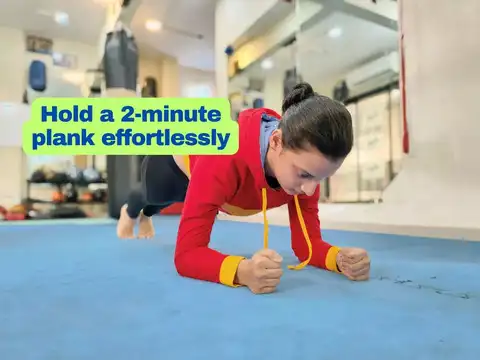
The plank is deceptively simple yet brutally effective for core fortitude. It builds isometric strength, spinal stability, and muscular endurance in your abdomen and lower back. But many falter early. The secret isn't pushing through pain; it's smart progression and bodily awareness layered together.
2/6
Hack 1: Start with knee modifications and wall planks
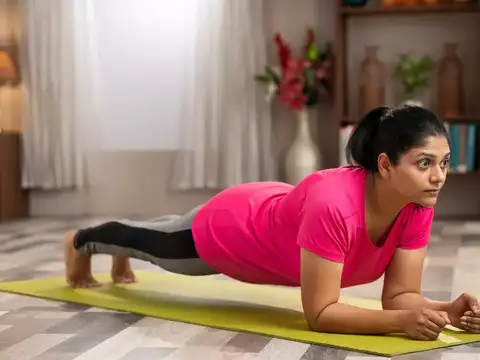
Don't jump to full-body holds. Drop to your knees, engage your glutes fiercely, and tuck your pelvis. Alternatively, begin against a wall, leaning at an angle, then gradually shift toward your chair and eventually the floor. Build momentum; skip the ego.
3/6
Hack 2: Breathing and muscle engagement reign supreme
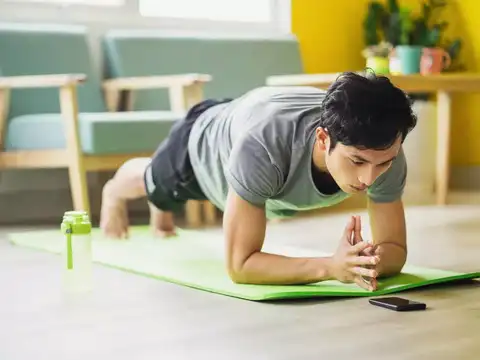
Most people hold their breath, suffocating their muscles. Breathe steadily and deliberately. Simultaneously, squeeze your glute muscles hard—this stabilizes your pelvis and anchors your whole body. Engage your core by drawing your navel toward your spine. Quality beats duration.
Amazon Top Deals
POWERED BY


4/6
Hack 3: Widen your stance and adjust hand placement
Spread your feet shoulder-width apart or slightly wider for stability. Position your hands directly under your shoulders. These micro-adjustments reduce strain on your wrists and lower back while amplifying core recruitment. Forearm planks feel less intimidating than hand planks initially.

5/6
Hack 4: Strengthen complementary muscle groups with targeted exercises
Planks don't exist in isolation. Fortify your anterior core, glutes, and hip adductors with sit-ups, leg lifts, and lower back extensions. Stronger secondary muscles absorb load, letting your core sustain longer holds. Progress circuits weekly.

6/6
Hack 5: Progress with variations and exercise ball instability
Once basic planks feel manageable, add leg lifts, bear holds, or plank rotations. An exercise ball under your forearms demands dynamic stability and magnifies core activation significantly. Progression beats stagnation; rotate variations to prevent adaptation plateaus.
(Disclaimer: This story is strictly for educational purposes only and does not substitute any professional medical advice and should not be considered as professional medical advice.)
(Disclaimer: This story is strictly for educational purposes only and does not substitute any professional medical advice and should not be considered as professional medical advice.)
READ MORE:
Plank hold time improvements |core strength progression exercises |modified plank positions |isometric core training |beginner plank modifications |proper plank form technique |increasing plank duration safely |core stability muscle engagement |forearm plank vs hand plank |advanced plank variations for strength