
Top heart doctor explains why visceral fat is so dangerous and how to burn it fast
1/5
Why visceral fat is more dangerous than you think
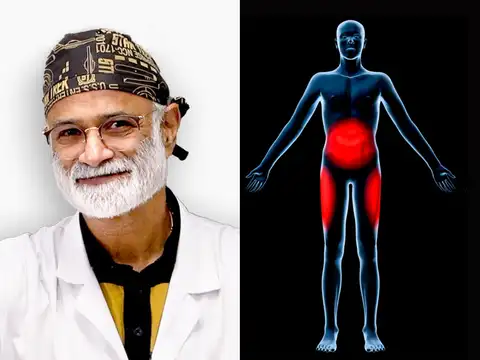
Visceral fat isn’t just belly fat, it’s the deep, hidden fat surrounding organs like the liver, pancreas, and intestines. This fat is particularly harmful because it triggers chronic inflammation and disrupts normal metabolism. Interventional cardiologist Dr Pradip Jamnadas, whose health advice has gone viral on Instagram, explains that the main culprit behind visceral fat buildup is chronically high insulin levels, a result of constant sugar and refined carbohydrate consumption. When insulin stays high, it signals the body to store more fat around internal organs, raising the risk of diabetes, fatty liver, heart disease, and stroke.

2/5
What Dr Jamnadas revealed about sugar, insulin, and fat on Instagram
In a clip shared on Instagram from his appearance on The Diary Of A CEO podcast, Dr Jamnadas explained how frequent sugar consumption causes the pancreas to release insulin continuously. Over time, this leads to insulin resistance, where the body requires even more insulin to manage blood sugar levels. He described this as a “metabolic trap” that forces the liver to convert glucose into fat, leading to fatty liver disease and the buildup of visceral fat around organs. He added that this type of fat is far more harmful than the fat under the skin because it releases inflammatory compounds that affect hormones and energy metabolism. Supporting his insights, a study published by the NIH found that people practising intermittent fasting with protein pacing saw a 33% drop in visceral fat, compared to only 14% in those following calorie restriction diets.

3/5
How high insulin levels damage metabolism over time
According to Dr Jamnadas, “any hormone that stays in your body too long becomes less effective.” This means that constant high insulin makes your body resistant to it, pushing your system to produce even more. The excess insulin then encourages fat storage, particularly around the liver and pancreas, while increasing inflammation, triglycerides, and oxidative stress. Over time, this slows metabolism, affects appetite control, and raises the risk of insulin resistance and obesity. On Instagram, Dr Jamnadas warned that this “silent” fat doesn’t just sit in your belly, it interferes with brain signals, alters hormone balance, and even affects immune function, creating a cycle that makes losing weight harder over time.
Amazon Top Deals
POWERED BY

Crompton Ozone 75 Litres Desert Air Cooler for home | Large & Easy Clean Ice Chamber | 4-Way Air Deflection | High Density Honeycomb Pads | Everlast Pump | Auto Fill| 3 Year Brand Warranty
₹9,798Buy Now43%
OFF

atomberg Studio Smart+ 1200mm BLDC Ceiling Fan with IoT & Remote | BEE 5 star Rated Energy Efficient Ceiling Fan | High Air Delivery with LED Indicators | 3 Year Warranty (Earth Brown)
₹5,903Buy Now36%
OFF

LG 32 L Convection Microwave Oven (MC3286BRUM, Black, 360° Motorised Rotisserie for Bar-be-queing, 301 Auto Cook Menu, Stainless steel cavity, Indian Cuisine, Tandoor Se, Steam Clean & Diet Fry)
₹19,340Buy Now19%
OFF

4/5
Why fasting helps burn visceral fat first
Dr Jamnadas recommends fasting as one of the most effective ways to reverse this process. When you fast, insulin levels drop, allowing your body to switch from using glucose to burning stored fat for fuel. Within about 12 hours, glycogen reserves are depleted, and the body begins mobilising fat, with visceral fat being the first to go. Unlike regular calorie restriction, fasting doesn’t slow down metabolism or cause major muscle loss. Instead, it activates a natural fat-burning state that targets deep abdominal fat, improves insulin sensitivity, and reduces inflammation. He says this is why fasting can be a powerful way to improve heart and metabolic health, especially for those struggling with stubborn belly fat.

5/5
Fasting + low sugar: The formula for long-term health
Dr Jamnadas often reminds his Instagram audience that fasting alone isn’t enough, it should be paired with low sugar intake and balanced meals. Cutting frequent snacking and processed foods helps stabilise insulin, giving the body more time to burn fat effectively. Over time, this approach supports better energy levels, reduces chronic inflammation, and lowers the risk of cardiometabolic diseases. Fasting also enhances mental clarity, improves digestion, and promotes longevity. As Dr Jamnadas explains, understanding how insulin and fasting work together empowers people to make sustainable changes, not just to lose weight, but to protect their long-term metabolic health.
Disclaimer: This article is intended for general informational purposes only and should not be taken as medical advice. It is not a substitute for professional diagnosis, treatment, or guidance. Always consult a qualified healthcare professional before making any changes to your diet, lifestyle, or treatment plan.
Disclaimer: This article is intended for general informational purposes only and should not be taken as medical advice. It is not a substitute for professional diagnosis, treatment, or guidance. Always consult a qualified healthcare professional before making any changes to your diet, lifestyle, or treatment plan.