
Tips for living healthily on World Cancer Day

1/6
Stop smoking
We see signs and advertisements almost everywhere that warn us about the negative effects of cancer, not just on World Cancer Day. Smoking any type of tobacco puts you at risk for developing cancer. Smoking has been linked to several types of cancer, including cancers of the lungs, mouth, throat, larynx, pancreas, bladder, cervix, and kidneys.
2/6
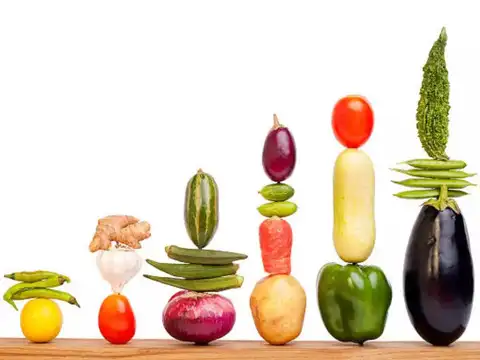
Maintain a healthful diet
A healthy diet can help to lower the risk of cancer even though it cannot guarantee cancer prevention. There could be a lot of fruits and vegetables in a healthy diet. You can stay away from all foods high in calories, including refined sugars, which can lead to obesity.
3/6
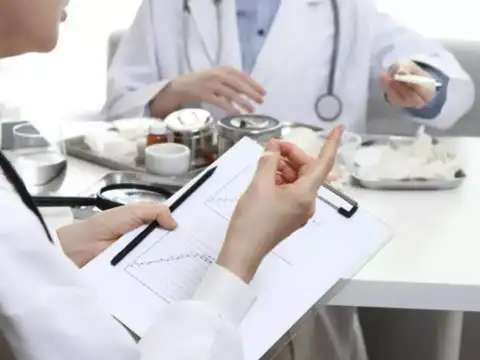
Having routine health checks
Going for a cancer screening or preventive health checkup is crucial to ensuring one's health. Cancer is one of the silent diseases, so you may not even initially experience any symptoms. Additionally, early cancer detection increases the likelihood of a successful recovery.
Amazon Top Deals
POWERED BY

Crompton Ozone 75 Litres Desert Air Cooler for home | Large & Easy Clean Ice Chamber | 4-Way Air Deflection | High Density Honeycomb Pads | Everlast Pump | Auto Fill| 3 Year Brand Warranty
₹9,798Buy Now43%
OFF

LG 32 L Convection Microwave Oven (MC3286BRUM, Black, 360° Motorised Rotisserie for Bar-be-queing, 301 Auto Cook Menu, Stainless steel cavity, Indian Cuisine, Tandoor Se, Steam Clean & Diet Fry)
₹19,340Buy Now19%
OFF
4/6
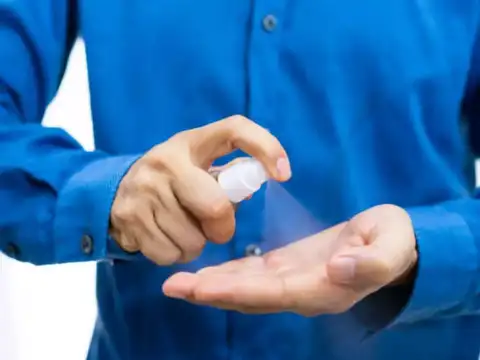
Defend yourself against UV radiation
Yes, exposure to the sun is important, but anything in excess is bad. UV radiation has several known negative effects. It's crucial to limit your time in the sun and stay away from sunlamps and tanning beds. Wear tightly woven, brightly coloured or darkly coloured clothing as much as possible to shield your skin from UV light.
5/6
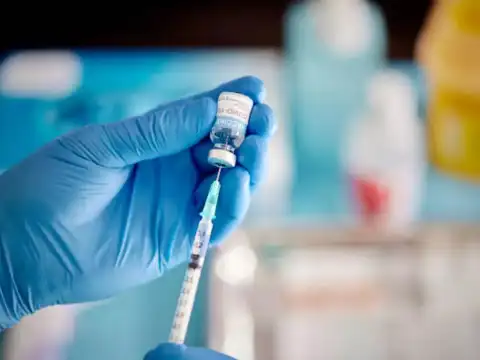
Vaccination
Getting the right vaccines is a crucial step in cancer prevention. Consult your doctor about immunisations for: Hepatitis B: Hepatitis B may increase the risk of developing liver cancer. It is advised that high-risk adults get the hepatitis B vaccine.
6/6
Discover your family's past
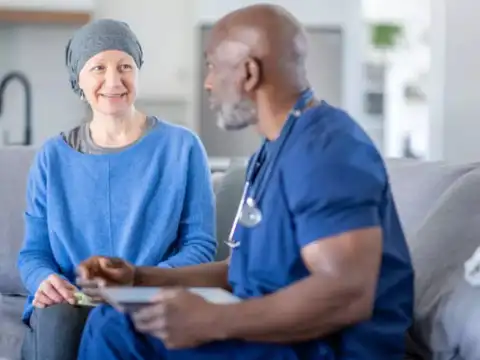
Sometimes, hereditary factors can also make some cancers more likely to develop. It is best to be aware of your family's history of cancer, including the type of cancer and the ages at which your kin were diagnosed. Your doctor should also be informed of this information. Your doctor can identify your cancer risk and decide on the best screening and prevention measures with the aid of the medical history of your family.