
This nutrient gets blocked when you drink too much tea and it may be harming your blood health

1/6
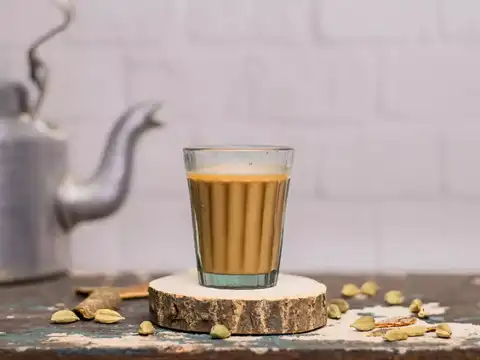
Drinking tea too much
Drinking tea feels harmless, yet too much of it can quietly reduce your iron levels. This story explains how it happens, why it matters, and how you can enjoy tea without putting your health at risk. Think of it as a gentle guide told in a friendly, clear voice.
2/6
How tea blocks iron
Tea contains natural compounds called tannins which bind to non heme iron in plant based foods. This makes your body absorb less iron. Research in the American Journal of Clinical Nutrition shows tannins can reduce iron absorption by up to 60 percent in some meals.

3/6
Why your body needs iron
Iron helps your blood carry oxygen to every cell. When levels drop, your body works harder, leading to tiredness and weakness. It may feel subtle at first which is why many people miss it until symptoms become harder to ignore.
Amazon Top Deals
POWERED BY

Crompton Ozone 75 Litres Desert Air Cooler for home | Large & Easy Clean Ice Chamber | 4-Way Air Deflection | High Density Honeycomb Pads | Everlast Pump | Auto Fill| 3 Year Brand Warranty
₹9,798Buy Now43%
OFF

LG 32 L Convection Microwave Oven (MC3286BRUM, Black, 360° Motorised Rotisserie for Bar-be-queing, 301 Auto Cook Menu, Stainless steel cavity, Indian Cuisine, Tandoor Se, Steam Clean & Diet Fry)
₹19,340Buy Now19%
OFF

4/6
Early signs of low iron
Early signs often include persistent fatigue, pale skin and a sense of breathlessness during simple tasks. Some people experience headaches or trouble concentrating. These symptoms can mimic everyday stress which is why they often go unnoticed.
5/6
Tea habits that may cause problems
Drinking strong black tea with meals or drinking more than four large cups a day increases the risk of iron depletion. People who rely on mostly plant based iron sources are more vulnerable because their iron is already less absorbable.
6/6
Smart ways to protect your iron
Drink tea between meals, not with them. Add vitamin C rich foods like oranges or strawberries to improve iron absorption. Choose lighter brews when possible. Small changes help you enjoy tea while keeping your iron levels steady and resilient.
(Disclaimer: This story is strictly for educational purposes only and does not substitute any professional medical advice and should not be considered as professional medical advice.)
(Disclaimer: This story is strictly for educational purposes only and does not substitute any professional medical advice and should not be considered as professional medical advice.)