
This healing therapy can unleash your inner artist

1/7
All you need to know art therapy
Art has long been recognized as a powerful form of self-expression and communication. In recent years, the field of art therapy has gained prominence as a unique and effective approach to healing and personal growth. Art therapy harnesses the transformative potential of creativity to support individuals in processing emotions, traumas, and life challenges.
2/7
What happens during an art therapy session?
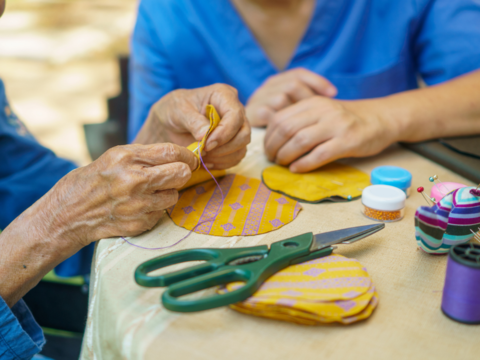
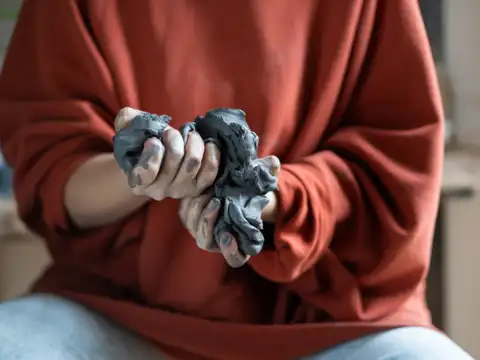
In art therapy sessions, clients are encouraged to explore their thoughts and feelings through various artistic mediums, such as painting, drawing, sculpting, or collage-making. The creative process provides a safe and non-verbal outlet for emotions, allowing individuals to delve into their subconscious and uncover aspects of themselves that may be difficult to articulate with words alone.
3/7
Unlocking emotions
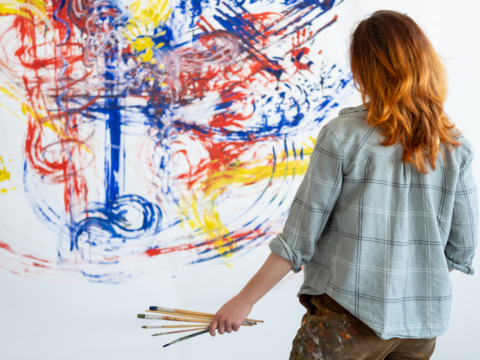
Through the act of creating, art therapy taps into the inherent human need for self-expression. It empowers individuals to confront emotional conflicts, confront past traumas, and develop coping mechanisms to deal with present difficulties. By externalising and visually representing their inner experiences, clients can gain insights into their emotional landscape, fostering self-awareness and personal growth.
Amazon Top Deals
POWERED BY

4/7
Empowerment through creation
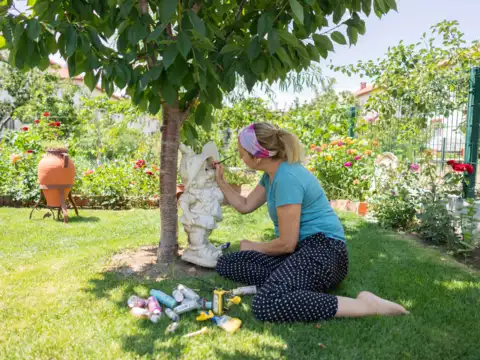
Moreover, art therapy is not limited to artistic skills or talent; it is a space free from judgement, where the process itself holds more significance than the end result. Clients are encouraged to let go of self-criticism and embrace the spontaneity of their creative expressions. In this way, art therapy promotes self-acceptance and self-compassion, enhancing overall well-being.

5/7
Promising results in mental health
Art therapy has shown significant promise in various therapeutic settings. It has been instrumental in assisting individuals struggling with anxiety, depression, post-traumatic stress disorder (PTSD), and other mental health challenges. Additionally, it has proven beneficial for patients dealing with chronic illnesses, helping them cope with pain, improve emotional resilience, and enhance their quality of life.
6/7
Art in education
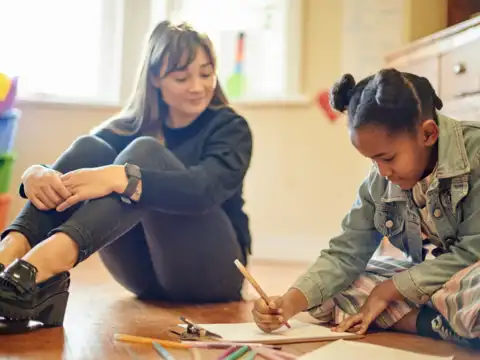
In educational settings, art therapy has been applied to support children and adolescents facing emotional difficulties or behavioural issues. By engaging in art activities, young individuals can externalise their emotions, learn to manage their behaviour, and develop healthier ways of processing challenges they encounter in their lives.
7/7
Path to healing and growth
In conclusion, art therapy stands as a testament to the healing power of creativity and expression. It offers a unique approach to mental health and personal development, providing individuals with a safe and transformative space to explore their emotions and experiences. Whether used in clinical settings, schools, or personal growth journeys, art therapy is a bridge to unlocking the potential of self-discovery and healing through the magic of art.