
These four organs reveal low magnesium — and what to eat to fix it

1/7
Magnesium dip
Magnesium powers nerves, muscles, heart rhythm, and energy. When it dips, the body signals through specific regions. See the four most common body clues and two slides of simple foods to rebuild levels.

2/7
Muscles
Calf and foot cramps, twitching, tremors, and heavy legs during routine activity. Night cramps and outsized post‑workout seizing are classic early signs of low cellular magnesium.

3/7
Hands and feet
Tingling, numbness, or prickling in fingers and toes, sometimes restless legs at night. These pins‑and‑needles sensations reflect irritated peripheral nerves struggling to fire smoothly.
Amazon Top Deals
POWERED BY

Crompton Ozone 75 Litres Desert Air Cooler for home | Large & Easy Clean Ice Chamber | 4-Way Air Deflection | High Density Honeycomb Pads | Everlast Pump | Auto Fill| 3 Year Brand Warranty
₹9,798Buy Now43%
OFF

LG 32 L Convection Microwave Oven (MC3286BRUM, Black, 360° Motorised Rotisserie for Bar-be-queing, 301 Auto Cook Menu, Stainless steel cavity, Indian Cuisine, Tandoor Se, Steam Clean & Diet Fry)
₹19,340Buy Now19%
OFF

4/7
Eyes
Eyelid twitching that lingers for days with eye fatigue. Small muscles around the eye are especially sensitive to changes in nerve excitability when magnesium dips.

5/7
Heart
Palpitations, fluttering, or skipped beats, sometimes with lightheadedness on exertion. Magnesium stabilizes cardiac electrical signaling, so dips can make rhythms feel jumpy.

6/7
Foods to rebuild magnesium
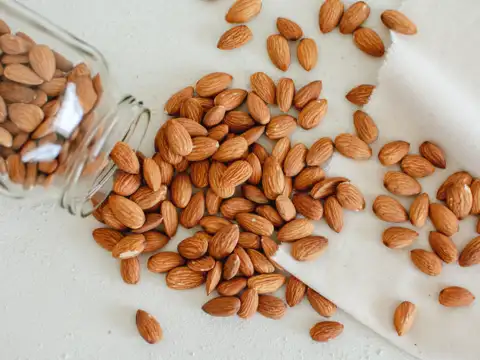
Leafy greens like spinach and kale, legumes such as chickpeas and black beans, nuts and seeds including almonds, cashews, pumpkin and sunflower seeds, whole grains like oats, brown rice, and quinoa, dark chocolate with high cocoa content, and mineral waters that list magnesium.
7/7
Simple ways to use them today
Blend spinach into smoothies, add beans to grain bowls, snack on almonds or pumpkin seeds, swap white rice for quinoa, stir dark cocoa into yogurt, and keep magnesium‑rich mineral water at your desk.